
 Owens Corning
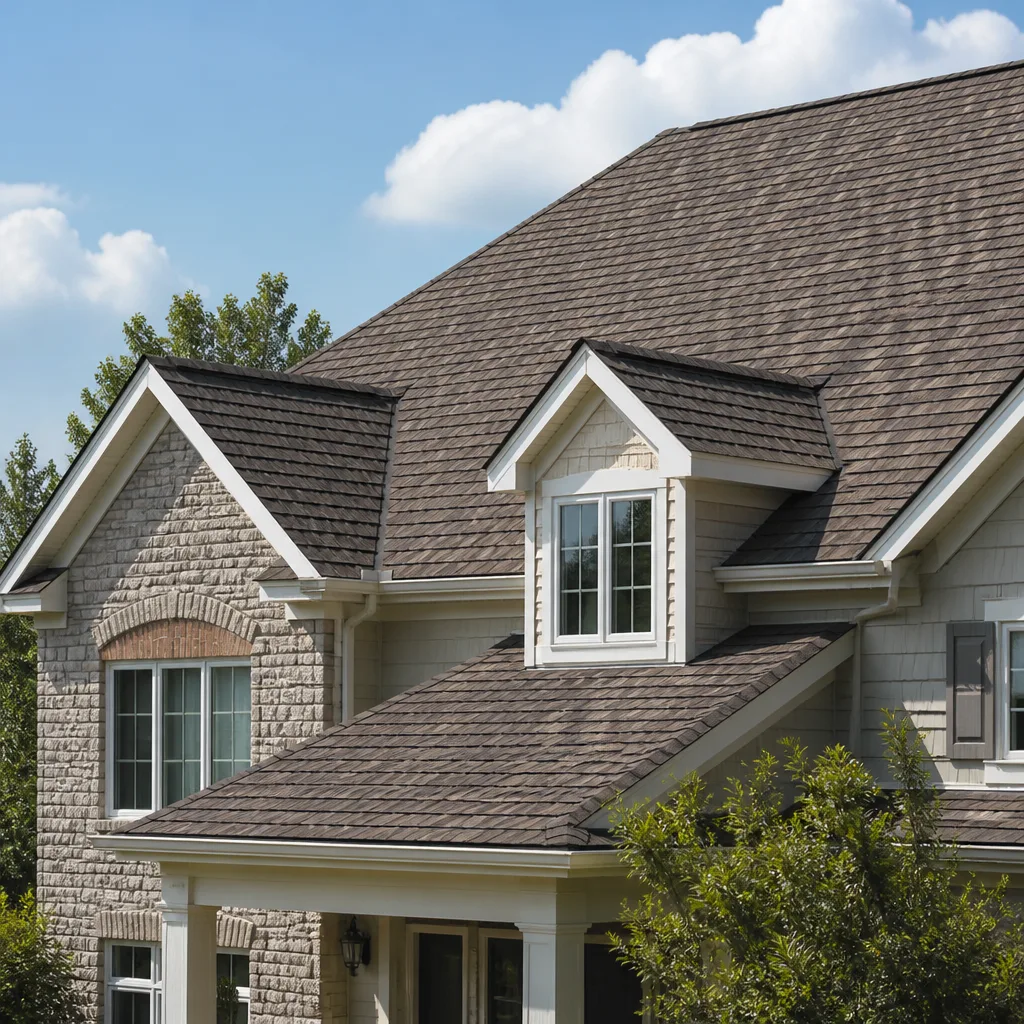
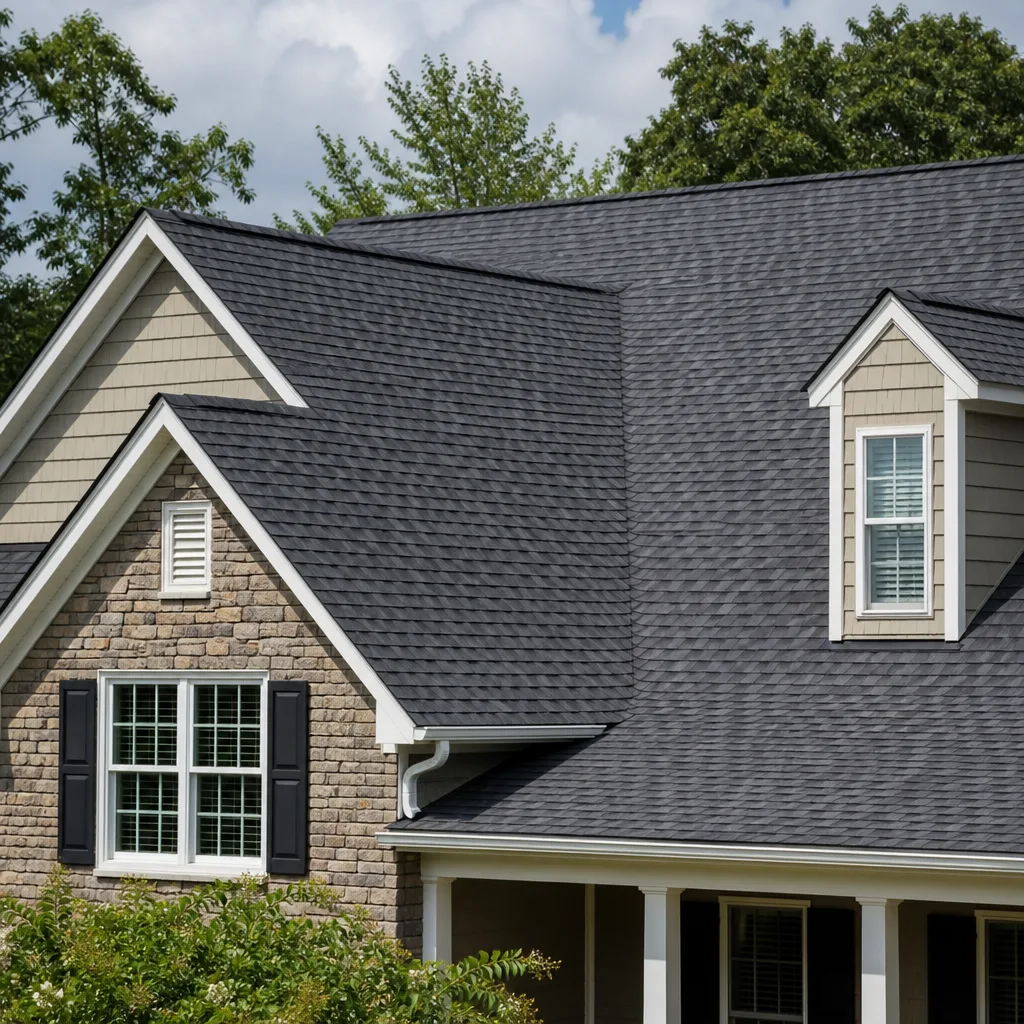
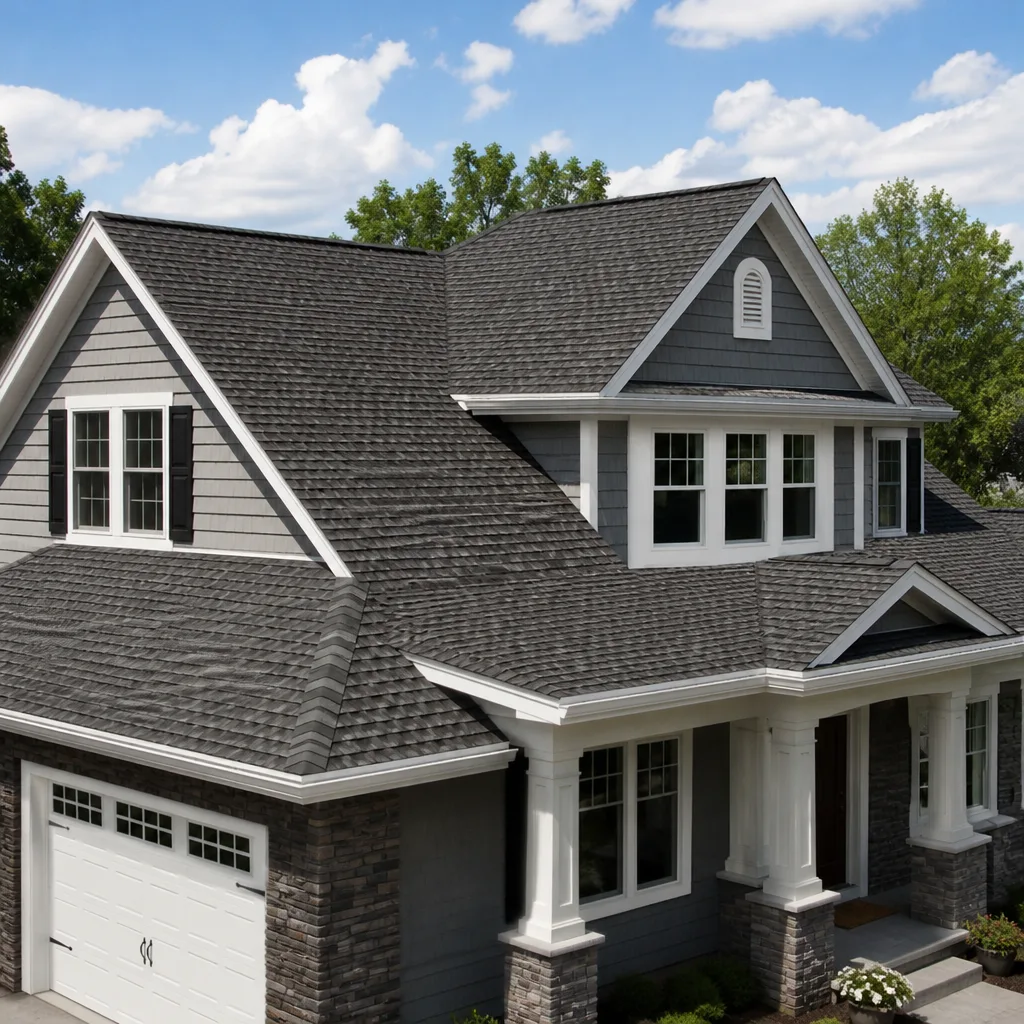 Architectural shingles
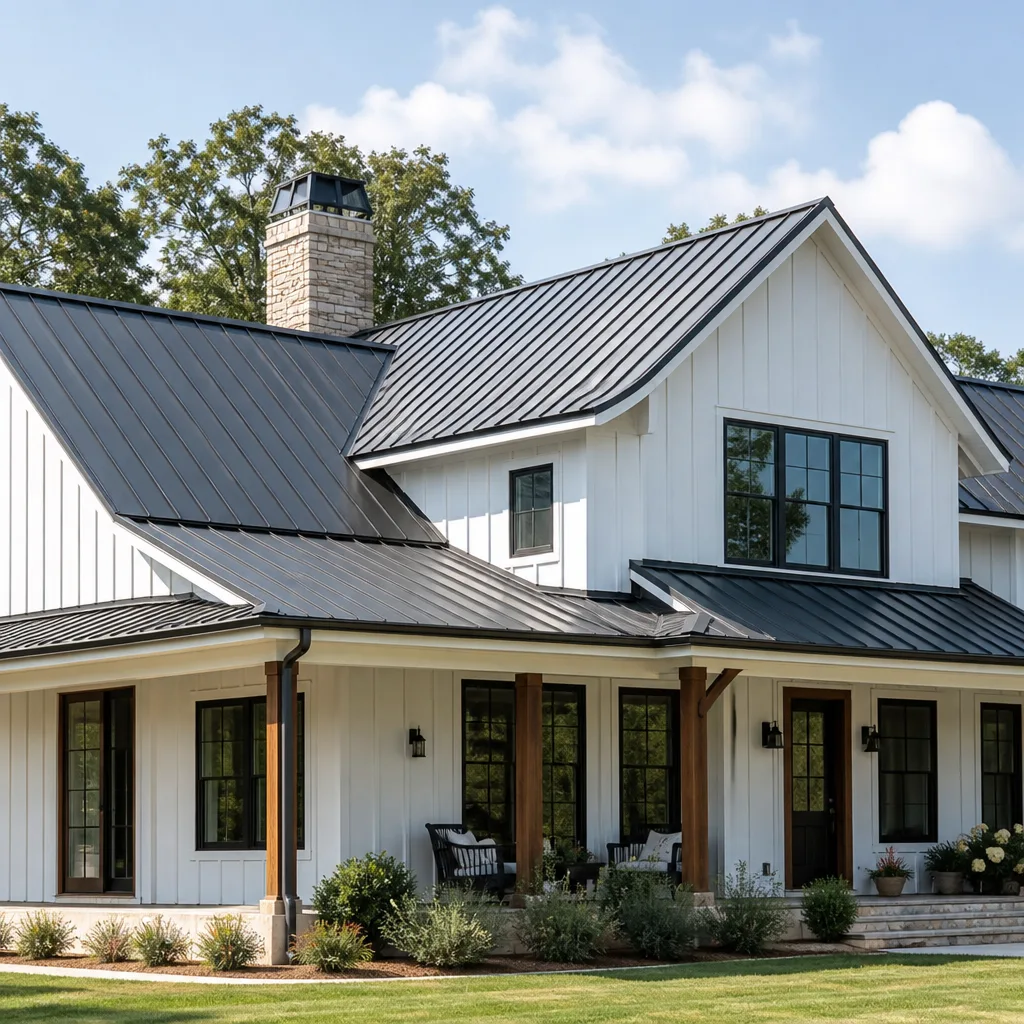 Metal roofing
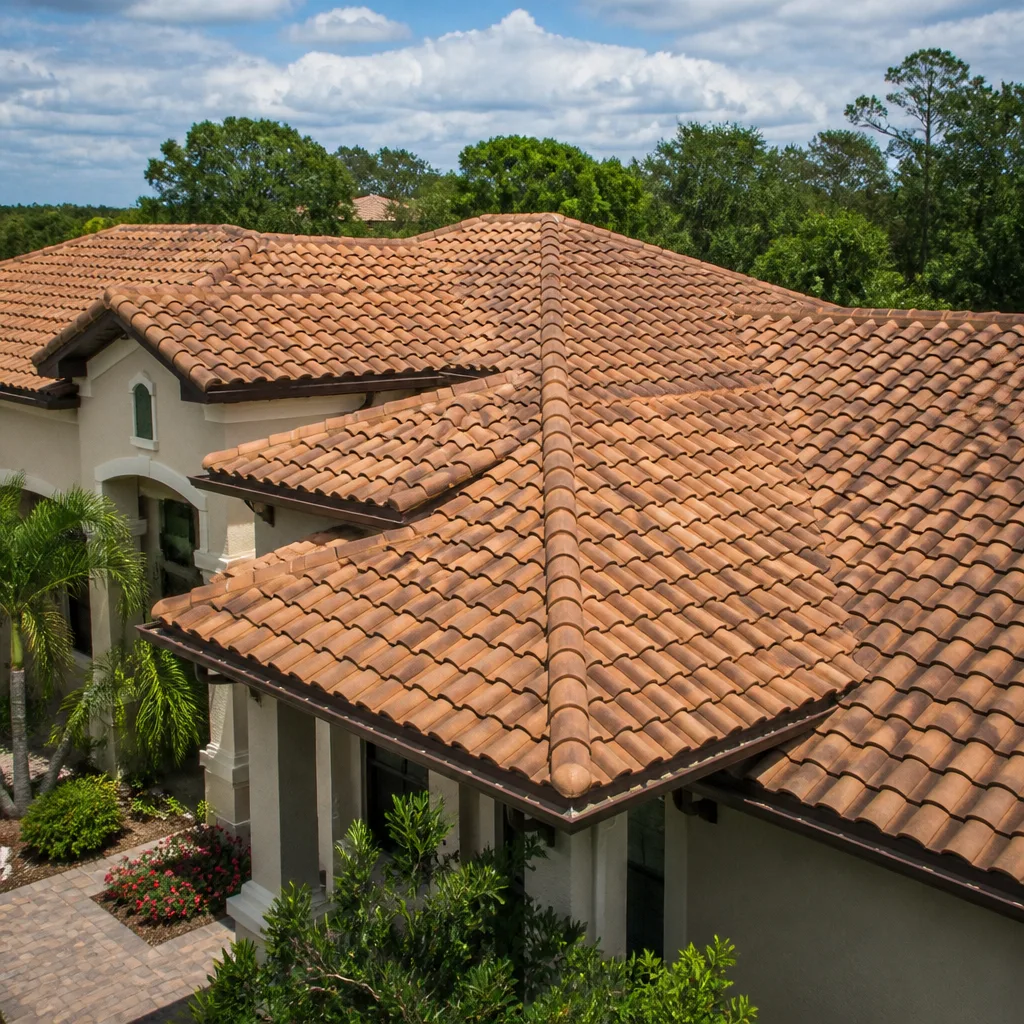 Tile roofing
 GAF
GAF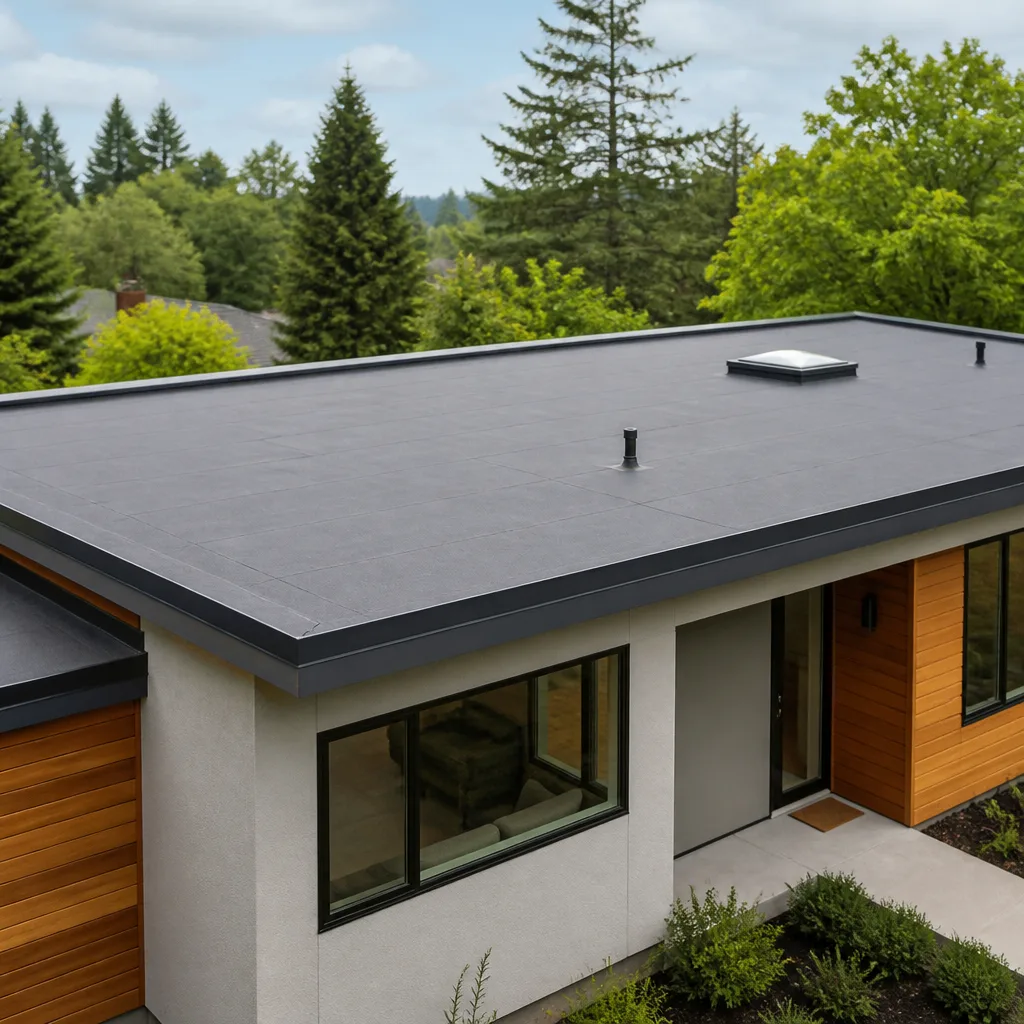 Flat & low-slope
Free roof inspection with deck photos before we talk money - GAF and Owens Corning certified installation
Owens Corning Ridge Vent Installation: The San Antonio Owner’s Guide
Owens Corning ridge vent installation in San Antonio typically runs $850 – $1,650 for a standard single-family home, including the vent material, underlayment prep, and labor. We stock Owens Corning-compatible ridge vent on our trucks and can usually complete the swap in a single day. Most homeowners discover a problem the way you probably did: a musty smell in the attic, a water stain spreading across the ceiling after a hard rain, or shingles near the roof peak that look lifted and uneven from the street.
Ridge vent is the exhaust half of your roof’s breathing system. When it fails, heat and moisture build up in the attic, and in San Antonio’s July heat, that means an attic that hits 140°F before noon. That heat doesn’t just cook your shingles from underneath. It forces your AC to work harder, drives up your electric bill, and shortens the life of everything in your attic, from stored boxes to the framing itself. The fix is straightforward when you know what you’re looking at, and that’s what this page covers.
Key Takeaways:
- Owens Corning ridge vent replacement in San Antonio costs $850 – $1,650 installed for most homes, parts and labor included.
- We install Owens Corning-compatible ridge vent, OEM-equivalent to what’s already on your roof.
- Most ridge vent failures are install errors from the original build, not the vent material itself.
- Every job gets a written price before work starts, and a 365-day written guarantee on the install.
Mercer Roofing Co San Antonio is an independent roofing contractor. We install and repair Owens Corning-compatible products but are not affiliated with Owens Corning.
Which Owens Corning Models This Applies To
Owens Corning makes three ridge vent lines you’re most likely to find on a San Antonio roof: the VentSure 4-foot strip, the VentSure Rigid Roll (most common on homes built in the last 10 to 15 years), and the newer VentSure Metal Ridge Vent. The first two are flexible filter-media vents; the third is aluminum with an internal baffle system. They’re not interchangeable. Installing a rigid roll vent where a 4-foot strip was originally used changes the net free area (NFA) calculation, and if the math ends up wrong, your attic doesn’t breathe correctly even though the vent looks fine from the curb.
Here’s the compatibility gotcha that matters in San Antonio: most ridge vent failures we see on Owens Corning roofs are not the vent failing. They’re the original install. Ridge vent requires a slot cut along the peak at a specific width, usually 2 inches, and if the original roofer cut it too narrow, too wide, or skipped the end plugs, the vent underperforms from day one. The Owens Corning vent itself is a well-built product. The problem is almost always what happened under it.
If you’re unsure which model you have, look at the vent from the ladder (or the street with binoculars). VentSure strip vents have visible fabric edges that sit flush. Rigid rolls have a corrugated plastic profile that looks like a long, low speed bump. Metal ridge vents are, well, metal, and they’ll have visible screws every few feet. We stock all three Owens Corning-compatible styles on our trucks for San Antonio jobs. We also work with GAF and CertainTeed ridge vent systems if your roof mixes brands, which happens more often than builders admit.
OEM vs aftermarket: For Owens Corning ridge vent specifically, we install Owens Corning-compatible vent whenever it’s available. The reason is fit. Owens Corning’s vent profile is slightly different from GAF’s Cobra or CertainTeed’s Air Vent, and mixing profiles leaves gaps that invite wind-driven rain. Aftermarket equivalents exist and some are fine, but for a product that costs under $200 in material on most homes, the “savings” from a generic vent is not worth a leak at the roofline.
Styles & brands we work with
Signs Your Owens Corning Ridge Vent Installation Is Failing
Ridge vent failure happens in stages, and the early stages are easy to miss. These are the five signs we see most often on San Antonio roofs, listed from earliest warning to obvious problem:
- Damaged or missing shingle caps along the peak. Ridge vent is covered by cap shingles, and when those crack, curl, or blow off in a storm, the vent underneath is exposed to direct sun and rain. This is the single most common failure point we replace in San Antonio, especially after spring windstorms.
- Dark streaks or staining around the attic ceiling near the peak. This means moisture is getting past the vent and pooling at the highest point of the attic. By the time the stain shows on the ceiling, the leak has usually been active for weeks or months.
- Hot spots in the rooms directly under the peak even with AC running. A working ridge vent releases built-up attic heat. When the vent clogs with dust or the filter media breaks down, that heat has nowhere to go, and the rooms beneath the peak are the first to feel it.
- Granules from the cap shingles collecting in the gutter near the roof ends. Ridge cap shingles wear faster than field shingles because they’re at the exact angle where San Antonio’s afternoon sun hits hardest. Heavy granule loss means the cap is nearing end of life, and the vent underneath is next.
- Visible gaps, warping, or sagging in the vent line. From the street, the ridge should look like a clean, straight line. If it looks wavy or you see visible openings at the ends where the end plugs should be, that’s a failed install or a vent that has shifted over time.
If you notice any of these, the cost to fix it now is almost always less than waiting. A missing end plug that lets rain into an attic for six months turns a $200 repair into a $3,000 ceiling and insulation job.
See the difference
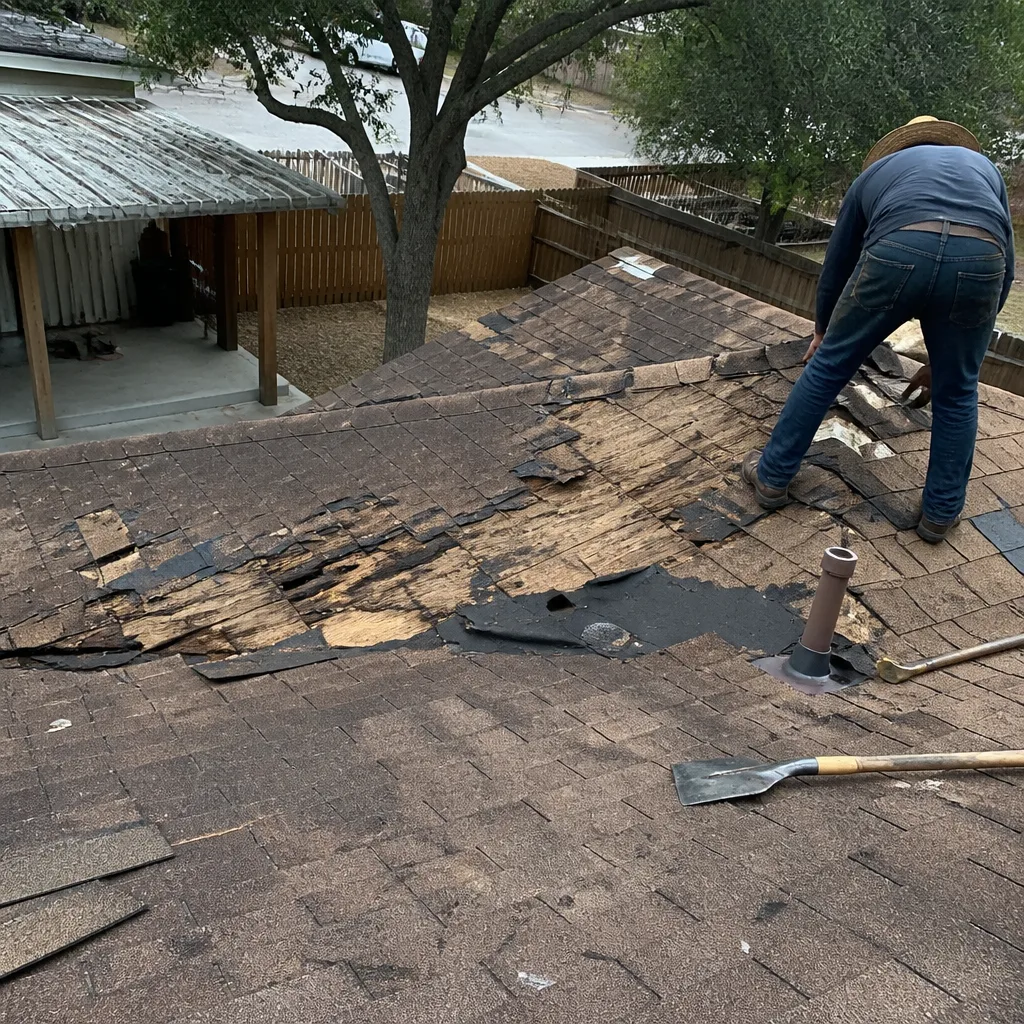 Before
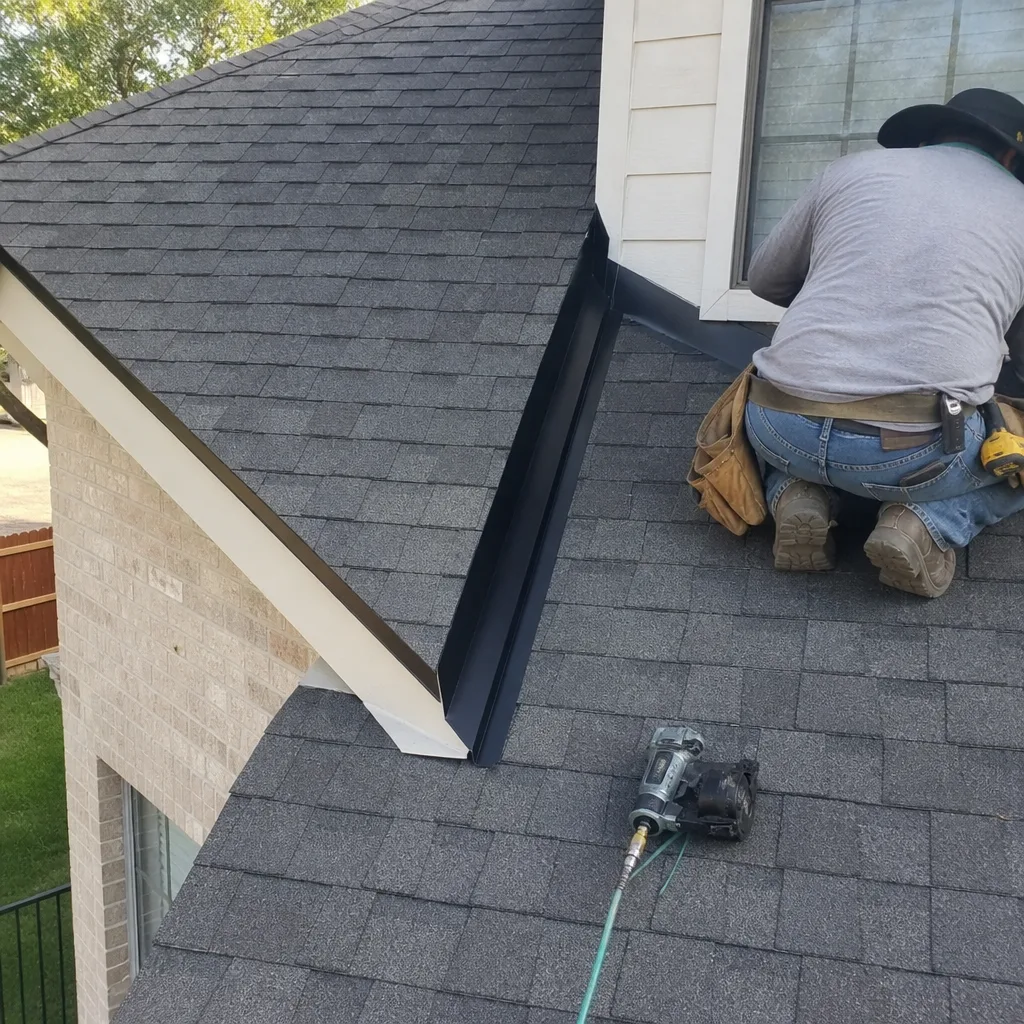 After
After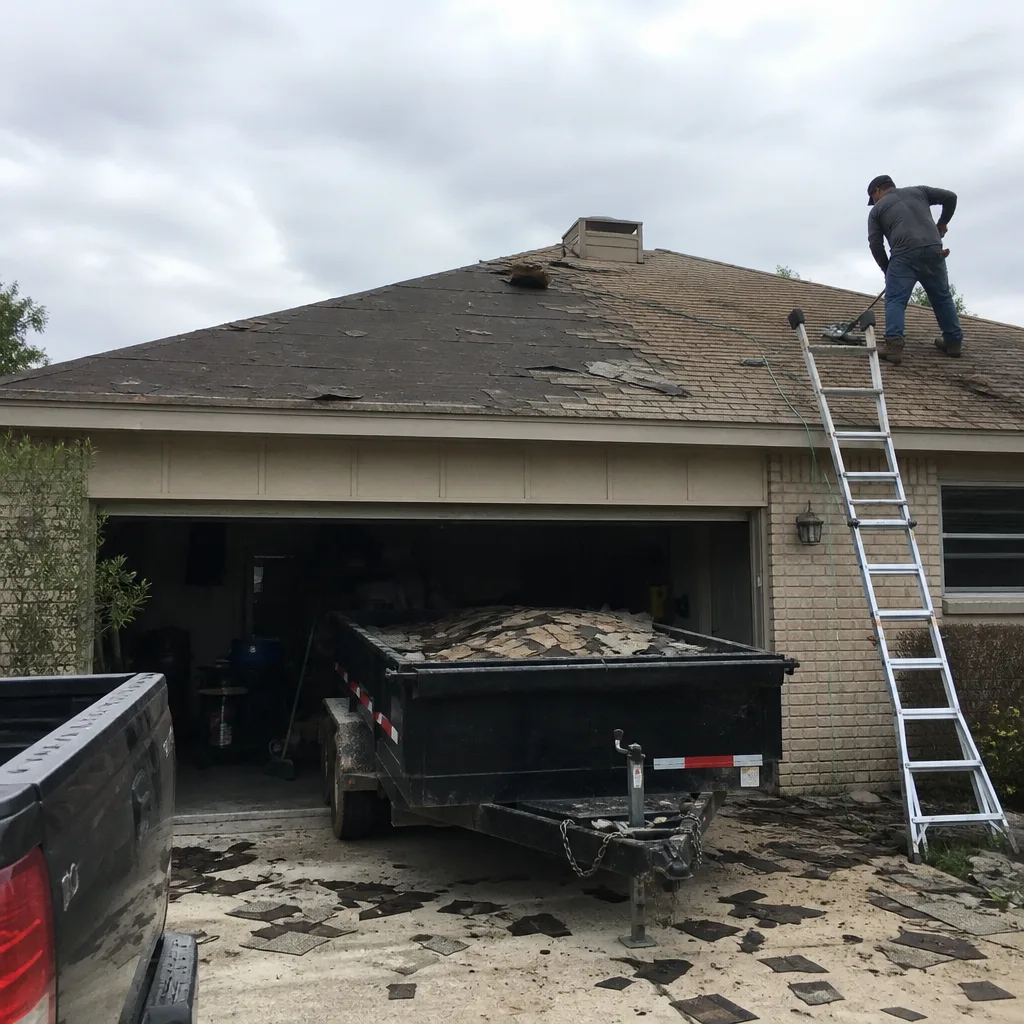 Before
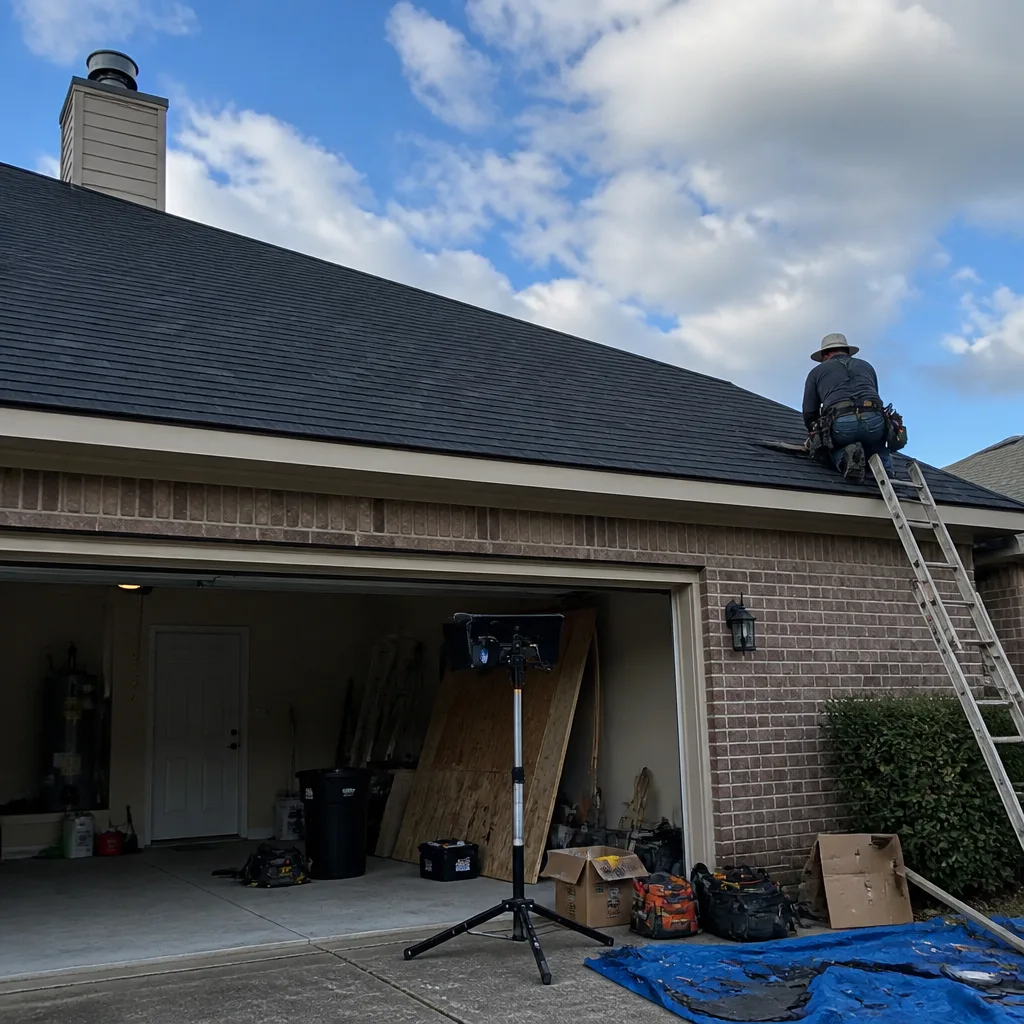 After
After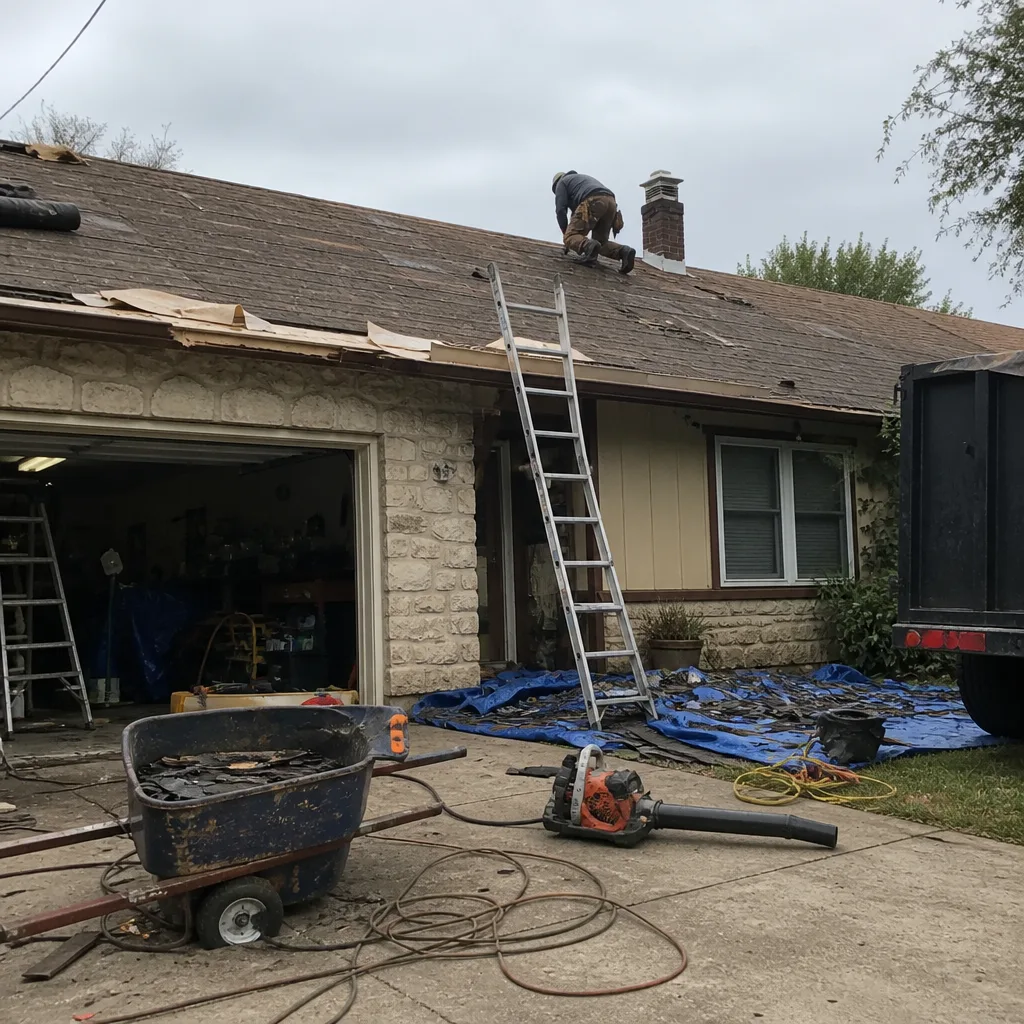 Before
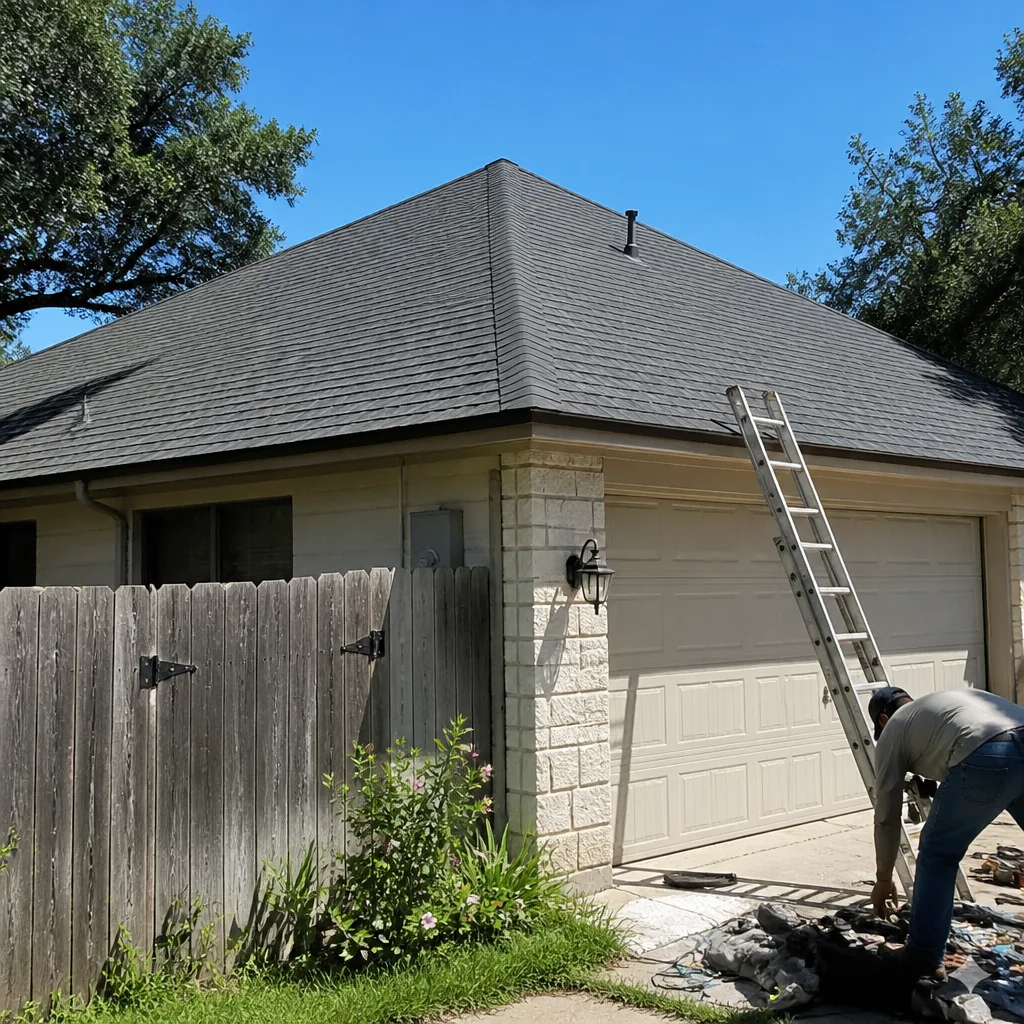 After
AfterReplacement Cost & What’s Included
In San Antonio, plan on these installed price ranges for Owens Corning-compatible ridge vent replacement:
- Partial replacement (up to 20 linear feet): $375 – $650
- Full replacement on a single-story home (20 – 45 linear feet): $850 – $1,350
- Full replacement on a two-story or steep-pitch roof: $1,150 – $1,650
- Full replacement plus new ridge cap shingles: Add $450 – $900 depending on roof size and shingle match
What’s included in every price we quote: removal of the old vent and cap shingles, inspection of the roof decking under the vent, repair of any rot found at the peak (minor decking repair is included; extensive decking replacement is quoted separately and approved by you before we touch it), installation of the new Owens Corning-compatible vent with correct slot width and end plugs, new cap shingles matched to your roof, and full cleanup. Every job includes a written price before work starts, a written 365-day guarantee on the install, and a free second visit if anything isn’t right during that year. That’s the 365-Day Done Right Promise from Mercer Roofing, and it’s on every invoice, not just the big ones.
DIY or Call Us?
Here’s the honest split on ridge vent work. You can safely do the visual inspection yourself: look for missing cap shingles, check for visible end-plug gaps, and note whether the ridge line looks straight. If you’re comfortable on a ladder, you can take a few photos to understand what you’re dealing with. But once you’re talking about removing and reinstalling ridge vent, this becomes roof work at height, on a slope, in San Antonio heat that makes shingles hot enough to burn skin. It’s not a weekend project for most homeowners, and it’s not the place to learn roofing.
The specific reason ridge vent DIY goes wrong is the slot cut. Cut it too narrow and the vent can’t pull enough air. Cut it too wide and the vent can’t seal against wind-driven rain. Cut through the rafter and you’ve got structural damage. We’ve fixed enough DIY ridge vent jobs in San Antonio to say this plainly: the material is the cheap part. The knowledge is where the value is, and it’s the same knowledge that protects your attic from the next ten years of Texas weather.
If you want us to handle it, call (254) 276-4369 and we’ll send a technician with a name and photo you’ll have before they knock. Grant Whitlock runs Mercer Roofing Co San Antonio, and the rule is simple: written price before work starts, photo ID at the door, and a vent that works when they leave.
FAQs
Owens Corning ridge vent material itself is rated for the life of the roof, typically 25 – 30 years in San Antonio’s climate. What fails first in our market is the installation around it: cap shingles, end plugs, and the slot cut. The vent material is tough; the details around it are what need attention after 10 – 15 years. Call (254) 276-4369 and we’ll tell you honestly whether the vent itself needs replacing or just the cap shingles and end plugs over it.
Yes, in many cases. If the vent is intact and the problem is missing cap shingles, damaged end plugs, or a partial section that’s warped, we can repair the affected section without replacing the entire run. We’ll tell you which way makes sense after we inspect it, and if repair is the right call, the written price is lower. Estimates are free.
Most ridge vent replacements on a standard San Antonio home take four to six hours. That includes removal, decking inspection, new vent installation, cap shingles, and cleanup. Two-story homes or longer ridge lines can stretch to a full day, and we’ll tell you the expected timeline in your written estimate before you commit.
Yes. Our trucks carry Owens Corning-compatible VentSure 4-foot strip, VentSure Rigid Roll, and VentSure Metal Ridge Vent, plus matching cap shingles for common Owens Corning roof colors in the San Antonio area. We also carry GAF and CertainTeed ridge vent for homes where the original vent is a different brand than the shingles. That means most repairs are done in one visit with no second appointment to wait on parts.
Written by Grant Whitlock, Owner, Mercer Roofing Co San Antonio at Mercer Roofing Co San Antonio, serving San Antonio and nearby areas.