
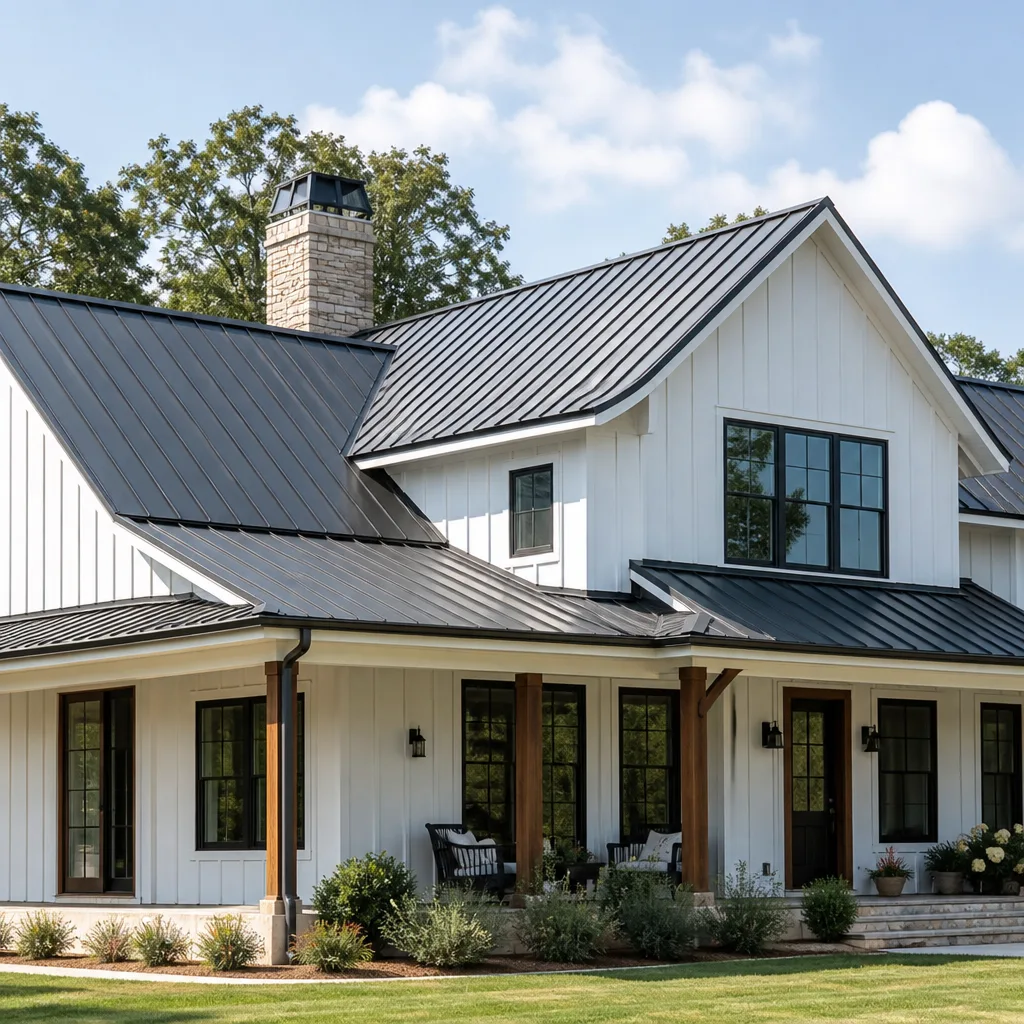
 Metal roofing
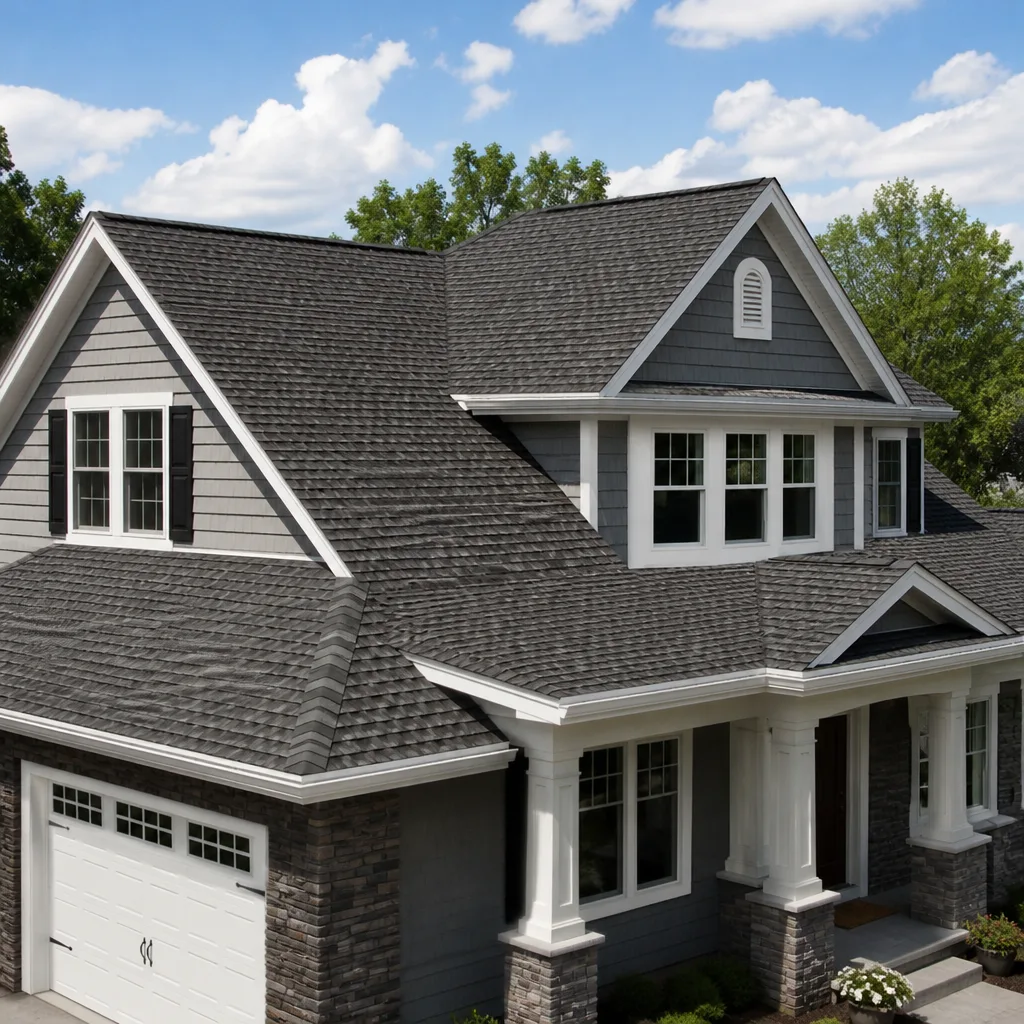 Architectural shingles
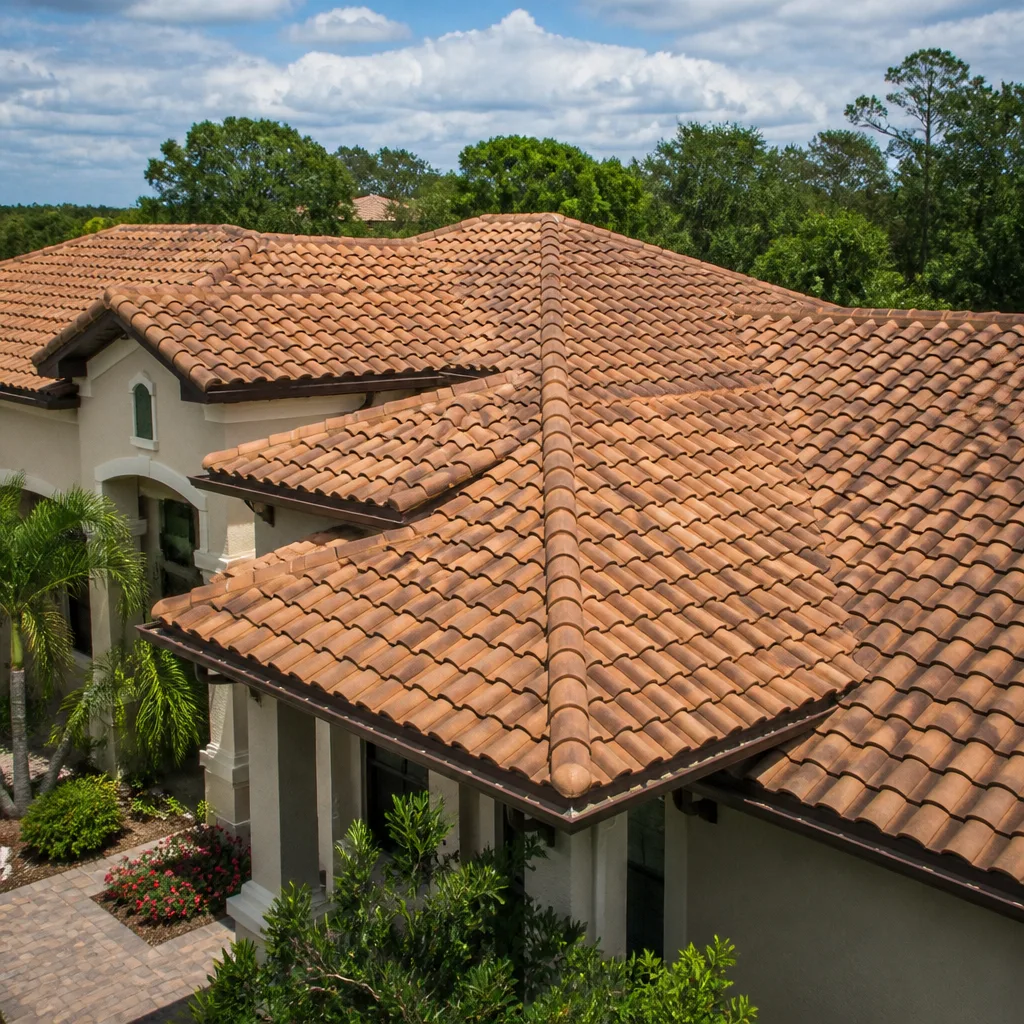 Tile roofing
 GAF
GAF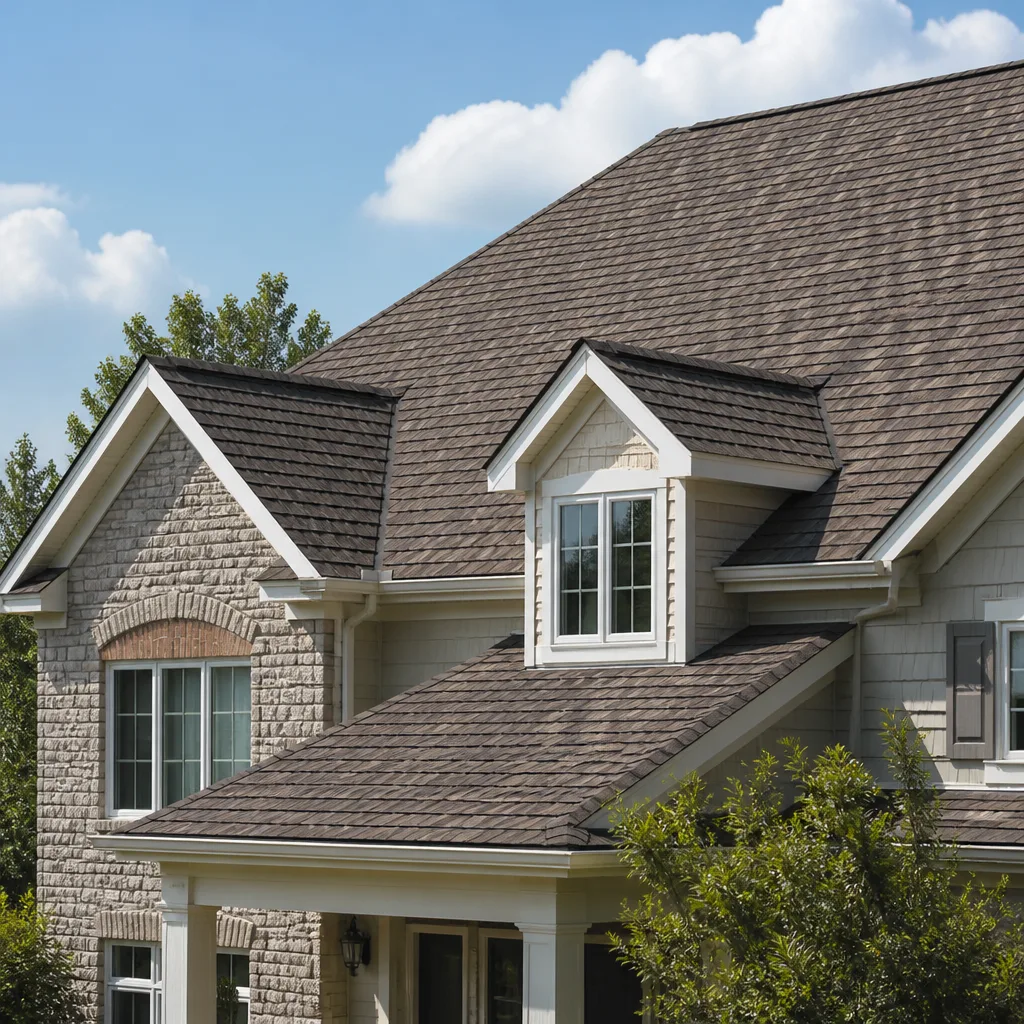 Owens Corning
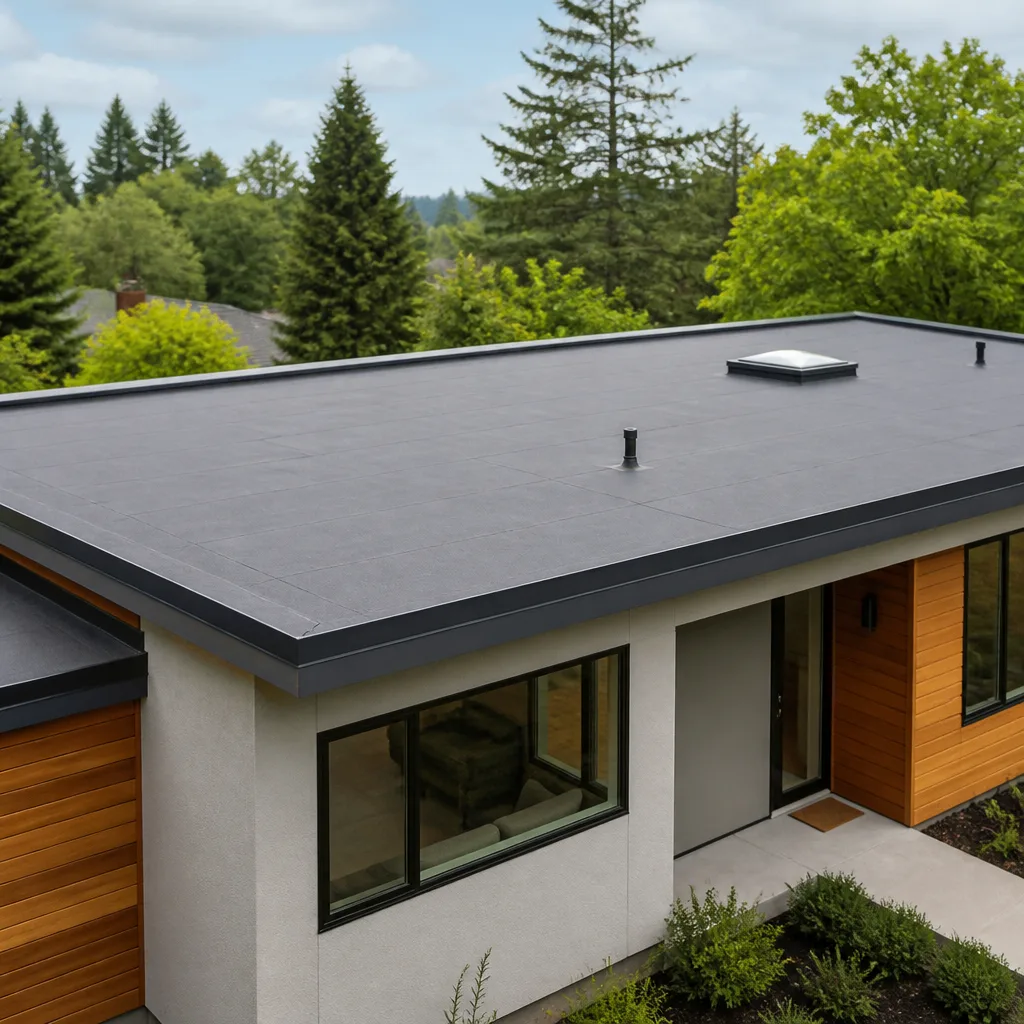 Flat & low-slope
Free roof inspection with deck photos before we talk money - GAF and Owens Corning certified installation
Atlas Roof Installation in San Antonio: What to Know First
Atlas roof installation in San Antonio typically runs $9,800 to $18,500 for a full tear-off and replacement on an average 1,800-square-foot home, depending on which Atlas line you choose and the condition of your decking. Most Atlas installations take two to four days once materials arrive and the permit clears. We provide written pricing before any work starts, so you know exactly what you’re paying before a single shingle comes off the truck.
This page is for San Antonio homeowners who either already have Atlas shingles that need replacing or are considering Atlas for a new roof installation. If you’re looking at water stains on the ceiling, granule loss in the gutters, or curling shingles along the eaves of your Alamo Heights bungalow, you’re in the right place. Call (254) 276-4369 and a live person answers, day or night.
Key takeaways:
- We are an independent Atlas service provider, not an authorized Atlas dealer or warranty administrator.
- We install Atlas Pinnacle, StormMaster, and GlassMaster lines, along with their accessory components.
- Every Atlas installation comes with a written price before work begins and our 365-Day Done Right Promise in writing.
- San Antonio hail and heat expose specific Atlas weaknesses we see year after year. We’ll tell you what they are below.
How Atlas Products Fail – and How We Fix Them
Atlas makes a solid shingle. But no shingle is bulletproof in San Antonio, where we get three-inch hail in May and 105-degree attic heat in August. Here’s what we see on Atlas roofs across the city, and what we do about it during a roof installation.
- Atlas StormMaster Shake granule loss after big hail events. StormMaster’s larger-profile shingles take a beating from San Antonio’s hail season. The granules embedded in the asphalt mat are the shingle’s UV armor. Once a big hailstorm knocks them loose, the asphalt beneath cooks in the Texas sun and the shingle starts to degrade. The fix during installation is a full tear-off with new StormMaster or a switch to a line better suited for your roof slope, plus new underlayment and drip edge. We don’t patch granule loss on a roof that’s already failing.
- Atlas Pinnacle Pristine seal strip failure on low-slope sections. Pinnacle uses a heat-activated sealant strip that bonds the shingle to the one below it. On San Antonio homes with low-slope porch or carport sections, especially north-facing ones that never get direct sun, that bond doesn’t always set the way it should. We see lifted shingle tabs that catch wind and peel back. The fix is proper starter-strip alignment and, where needed, hand-sealing with certified adhesive in the trouble spots before the final shingle course goes down.
- Atlas GlassMaster cracking along the nail line after rushed installs. Fiberglass-mat shingles like GlassMaster are lighter and less forgiving at the nail line than organic-mat shingles. When a previous installer overdriven nails or set them too high on the shingle, we find hairline cracks radiating from the nail heads within a few years. During our installation, every nail placement follows Atlas’s published nailing zone, and we inspect the nail line course by course. That’s a detail you won’t find on Atlas’s website, but it’s one we check on every San Antonio tear-off.
- Atlas HP42 ridge cap shingle blow-off at the peaks. Ridge cap shingles take the highest wind load of anything on the roof. On Atlas HP42 systems we see ridge cap failures when the original installer used standard roofing nails instead of the longer ring-shank nails specified for high-profile ridge caps. The cap lifts in a spring thunderstorm and suddenly you’ve got a gable-end leak. During installation we replace the entire ridge system with correctly sized HP42 cap shingles and match the nail schedule to the wind zone.
- Valley flashing failures on Atlas shingle valleys. San Antonio roofs with open metal valleys are common, but we see Atlas installations where the valley metal was cut too narrow or not replaced during a previous reshingle. The result is rust-through and water wicking under the shingle edge on both sides. When we install Atlas over any valley, we inspect and replace valley metal to full code width before field shingles go down, then lay an ice-and-water shield beneath it. That’s the difference between a 15-year valley and a 30-year one.
Styles & brands we work with
Our Atlas Roof Installation Process
Every Atlas installation follows the same sequence, whether it’s a simple Ranch-style in Castle Hills or a two-story in Terrell Hills with complicated flashing. Here’s the order we work in.
- 1
Site inspection and measurements. We walk the roof, check the decking from the attic side, document every flashing point and penetration, and measure to the square foot. You get a written line-item estimate before anything else happens.
- 2
Permit and materials ordering. We pull the City of San Antonio permit and order the specific Atlas line you’ve chosen plus all accessories: underlayment, ice and water shield, drip edge, flashing, ridge cap, and ventilation. We verify the delivered shingles match the lot number on the wrapper so color consistency holds across the roof.
- 3
Tear-off and decking inspection. Old shingles come off, felt comes up, and we inspect every sheet of decking. Rotted or delaminated plywood gets replaced at a per-sheet price that was already printed on your estimate. No surprises on the invoice.
- 4
Underlayment and flashing installation. New synthetic underlayment goes down, followed by valley metal, drip edge, pipe boots, chimney flashing, and wall step flashing. We hand-flash around skylights and chimneys rather than relying on peel-and-stick alone.
- 5
Atlas shingle installation. Starter strips, field courses in correct nailing zones, ridge cap, and ventilation. We run a magnet bar over the roof and the ground to pick up every stray nail before we call it finished.
- 6
Final inspection and guarantee. We walk the roof with you or a family member if you prefer, show you the finished work, and hand you the written guarantee: 365-Day Done Right Promise, plus the manufacturer’s material warranty registration instructions.
See the difference
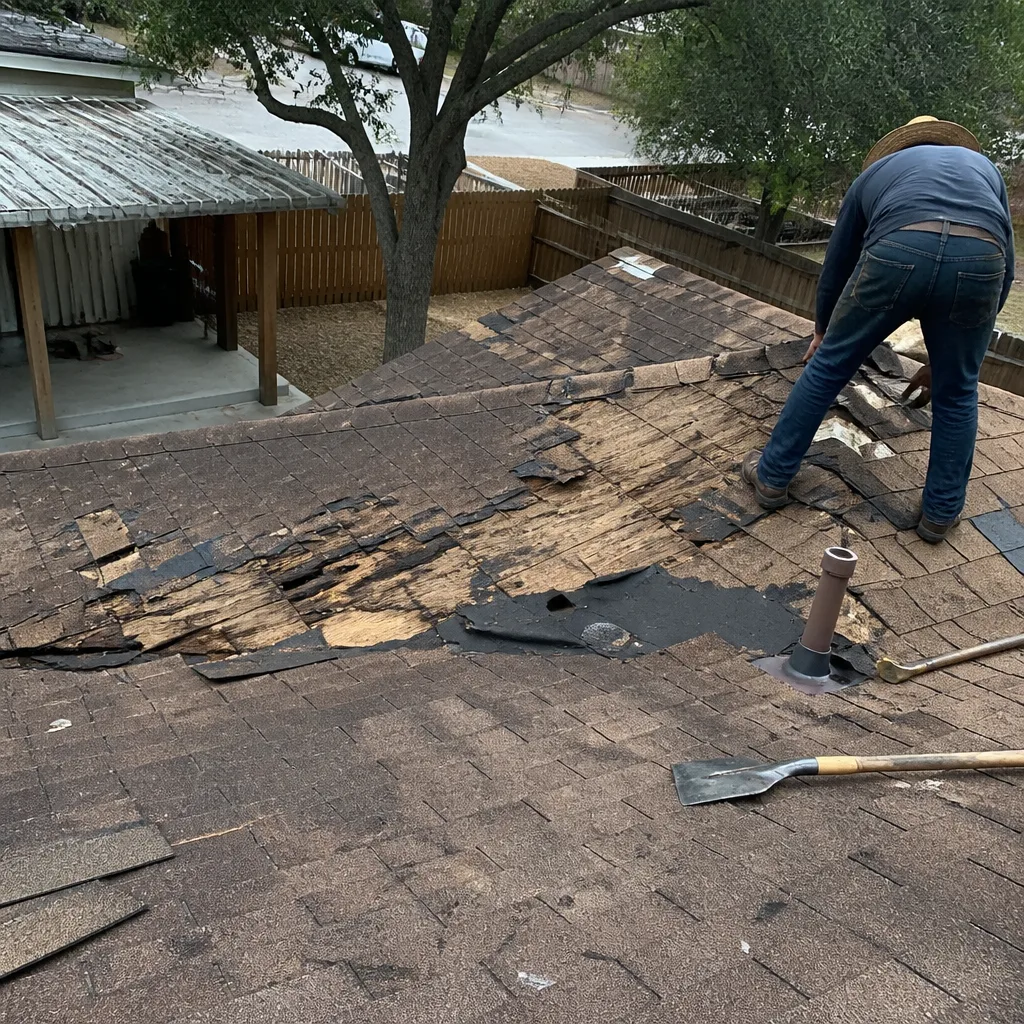 Before
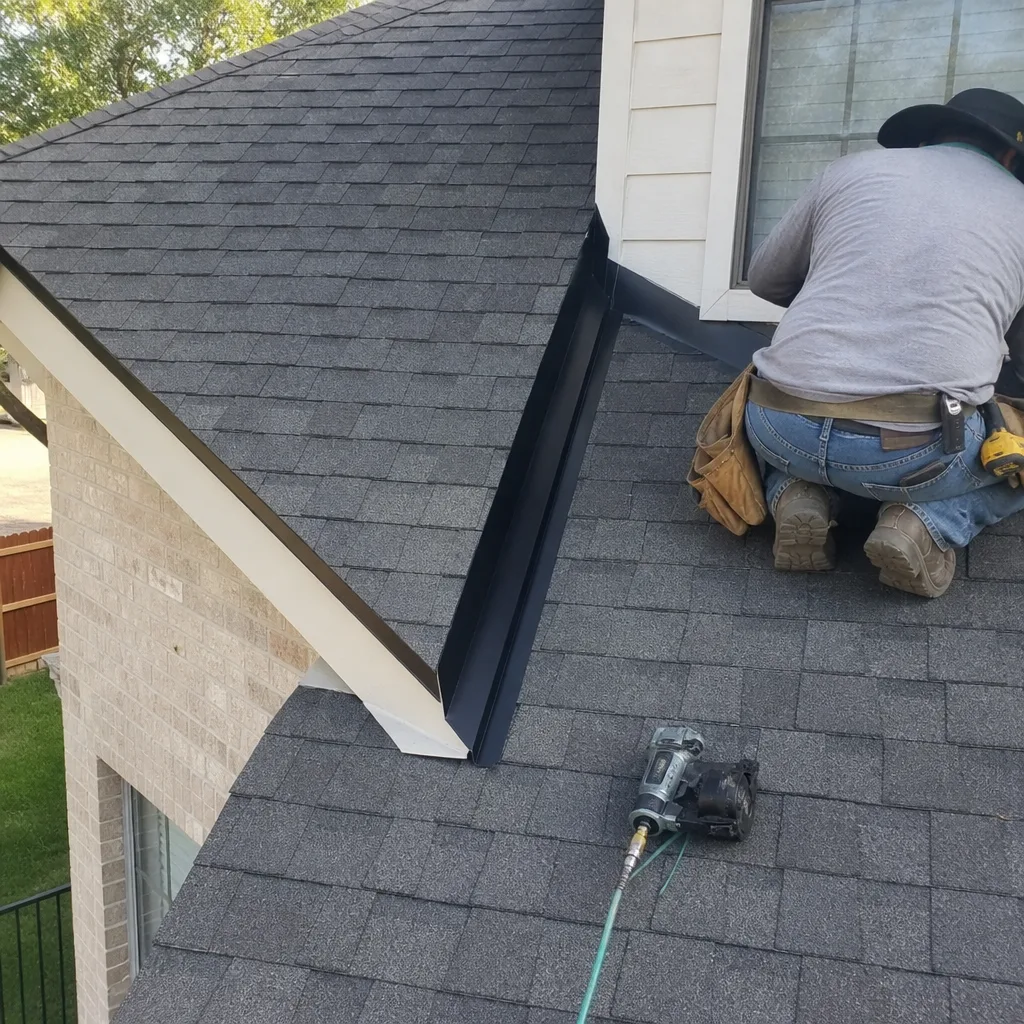 After
After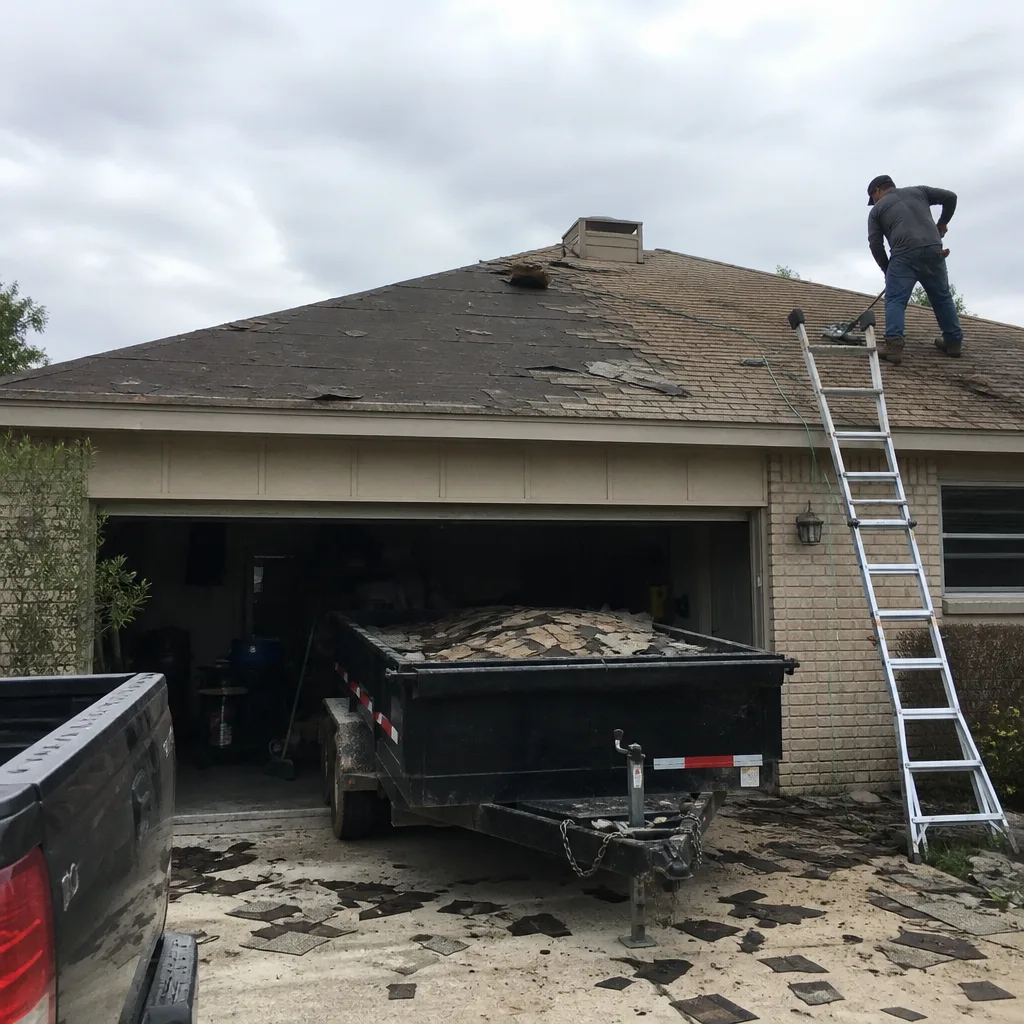 Before
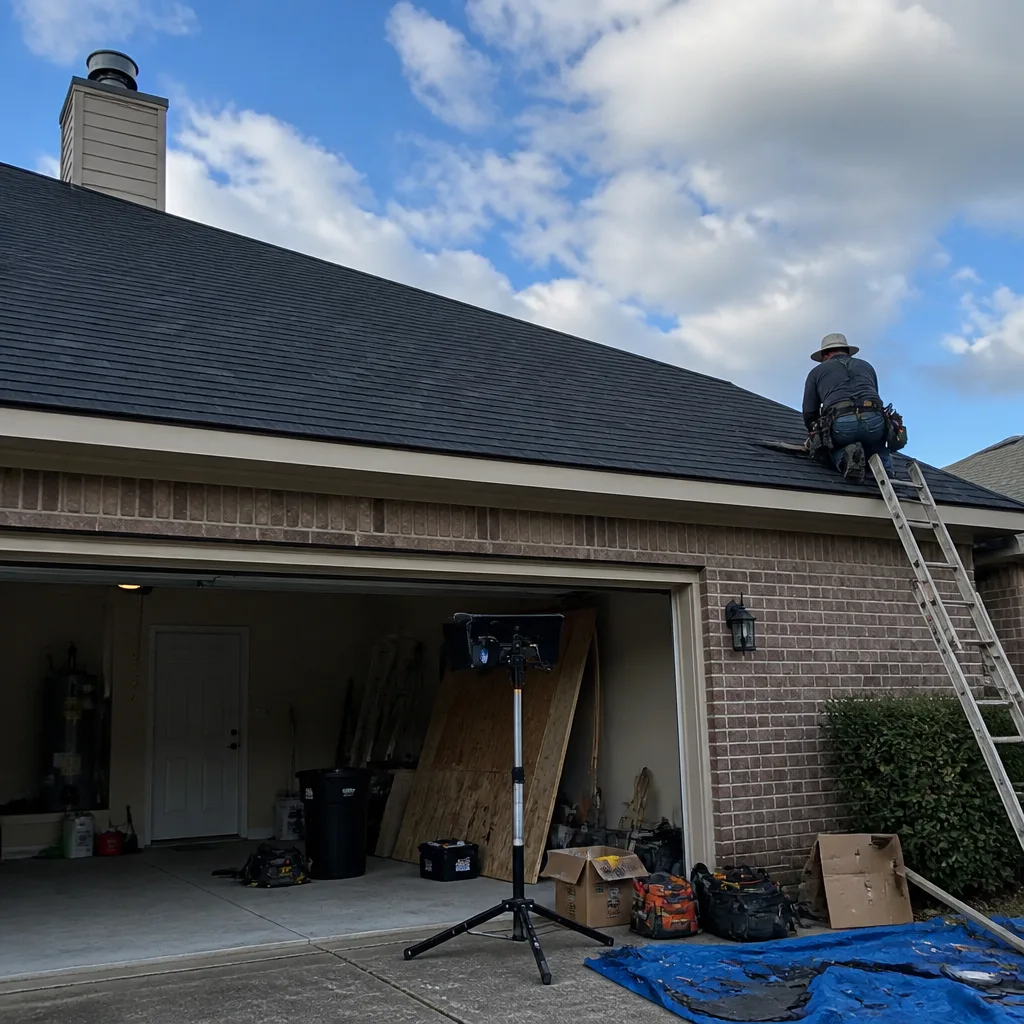 After
After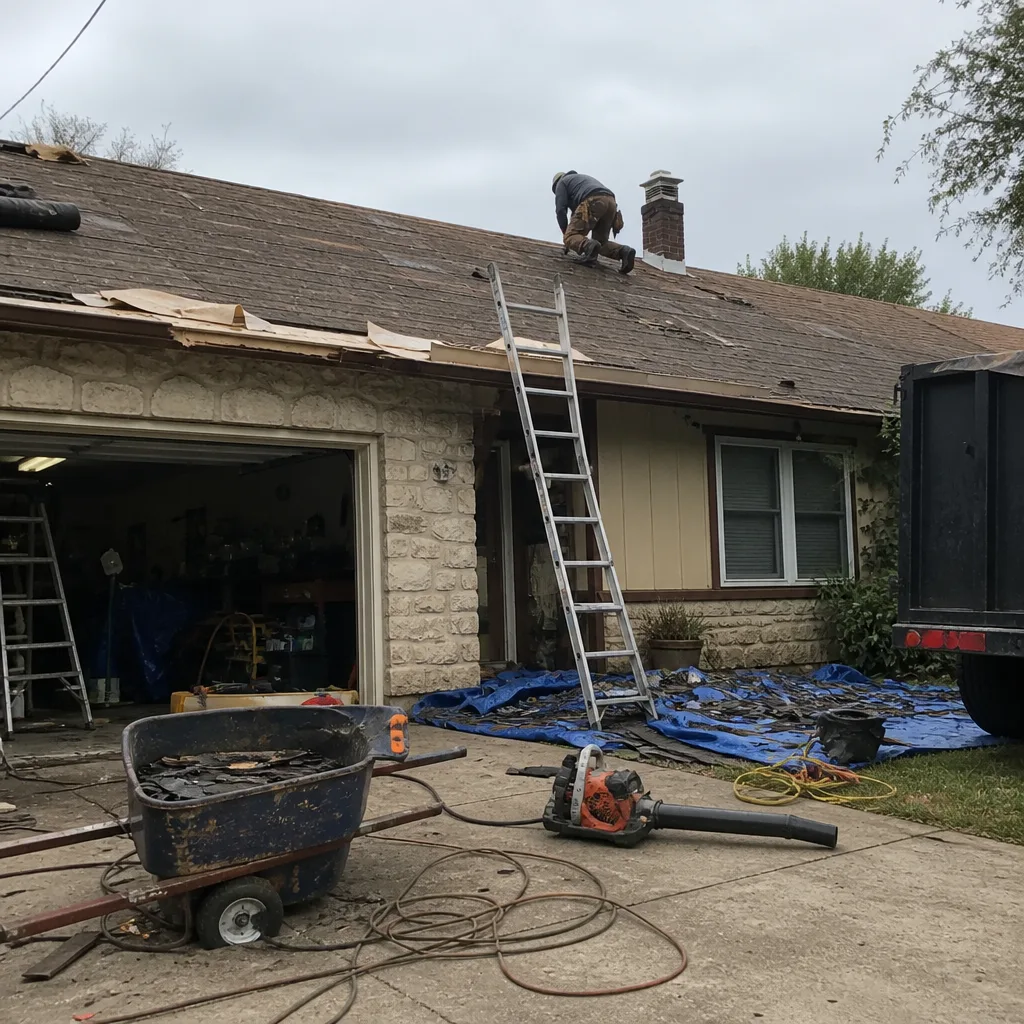 Before
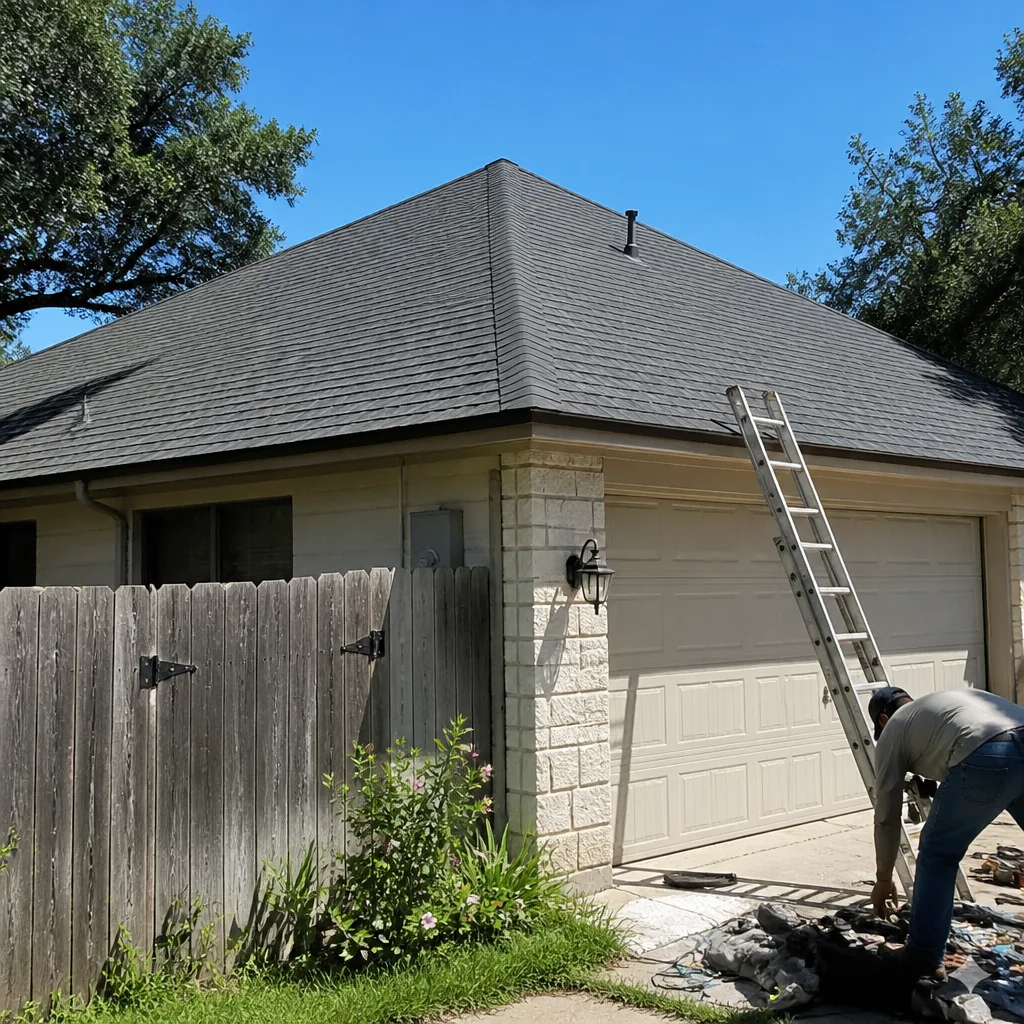 After
AfterWhat Atlas Roof Installation Costs in San Antonio
Here’s where your money goes on an Atlas roof installation in San Antonio. These are real ranges based on jobs we’ve completed across the city.
- Atlas Pinnacle Pristine full install (standard 1,800 sq ft home): $9,800 to $13,500
- Atlas StormMaster Shake full install (same size home): $11,500 to $15,800
- Atlas GlassMaster full install: $10,200 to $14,000
- Decking replacement (per 4×8 sheet if rot is found): $75 to $110 per sheet installed
- Valley flashing replacement (per valley): $350 to $650
- Ridge cap replacement (if done separately from full install): $800 to $1,500
What moves the price: roof height and steepness, number of penetrations and skylights, existing decking condition, and whether the old roof is one layer or two. A two-story Alamo Heights home with cedar shake tear-out will cost more than a single-story Ranch in Leon Valley with one layer of composition shingles. Call (254) 276-4369 for a free estimate with a written line-item price. We hand it to you before any work starts and it does not change.
Why San Antonio Homeowners Call Mercer Roofing Co San Antonio for Atlas Work
We treat Atlas roofs the way we treat every roof, but with one thing most roofers skip: proof of who’s at your door. Before every visit we send you the name and photo of the technician who will arrive. When they knock, they’re in a clean marked uniform with a photo ID badge they’ll show you without being asked. That’s the Threshold Verified standard, and it’s how we’ve operated since we started serving San Antonio. Every Atlas installation gets the same treatment: written price up front, written guarantee on the job, and our 365-Day Done Right Promise in plain language. If it’s not done right within a year, we make it right.
We also know when Atlas isn’t the right call for a particular roof, and we’ll tell you straight. When a homeowner asks us to compare, we walk through the alternatives we also install: GAF, Owens Corning, and CertainTeed. We’re not married to one manufacturer. We’re married to the roof.
Grant Whitlock grew up in Los Angeles and learned the trade through the construction technology program at Los Angeles Trade-Technical College. He’s spent the decades since putting that education to work on real roofs in real weather. He and his crew have served San Antonio for years, including work across Alamo Heights where older homes demand careful flashing work and a patient hand. A roof shouldn’t be something you worry about – that’s our job.
FAQs
An independent Atlas service provider can install Atlas shingles without automatically voiding the material warranty, as long as the installation follows Atlas’s published specifications for nailing, underlayment, and ventilation. We install to those specs on every Atlas job and provide written documentation of the installation so you can register the manufacturer’s warranty with confidence.
Most Atlas roof installations in San Antonio take two to four days, depending on roof size, decking condition, and weather. A two-day start-to-finish on a smaller single-story home is common; a larger two-story with multiple valleys and skylights may run four days. You’ll have a written schedule before we start.
If the decking is sound and the failure is isolated, like a single flashing point or a small section of lifted shingles, repair is reasonable and we’ll give you a written repair price. If you’re seeing granule loss across multiple slopes, curling at the eaves, or attic moisture at several points, a full Atlas roof installation in San Antonio is usually the better financial call. We will tell you which one we would do on our own home.
We use Atlas-branded ridge cap and starter materials when we install Atlas field shingles, because mixing brands can affect the manufacturer’s wind warranty and cause compatibility problems. For flashing, underlayment, and ventilation, we use manufacturer-recognized components that meet or exceed the spec Atlas requires. On some jobs, a quality aftermarket flashing product is the better choice, and we’ll show you the difference and the price before ordering.
Call (254) 276-4369. A live person answers 24/7. We’ll get a technician to your home as quickly as the schedule and San Antonio weather allow, and the first visit always includes a written repair estimate. If water is actively entering your home, we’ll walk you through immediate steps to contain the damage until we get there.
The only variable on an Atlas roof installation in San Antonio is decking. If we find rotted plywood beneath the old shingles, we replace it at the per-sheet price already printed on your written estimate. That is the only line item that can change, and we will show you the rot before we cut it out. Nothing else moves.
Written by Grant Whitlock, Owner, Mercer Roofing Co San Antonio at Mercer Roofing Co San Antonio, serving San Antonio and nearby areas.