
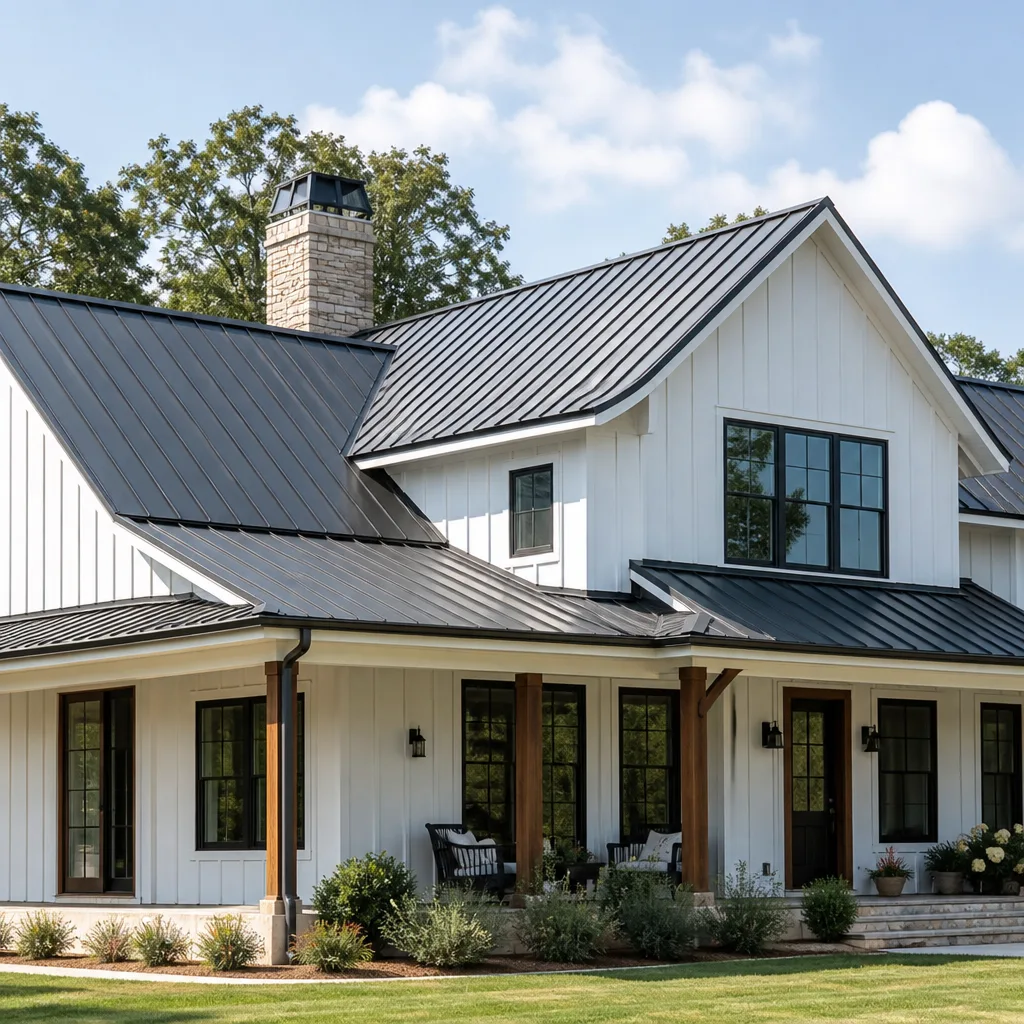
 Metal roofing
 Architectural shingles
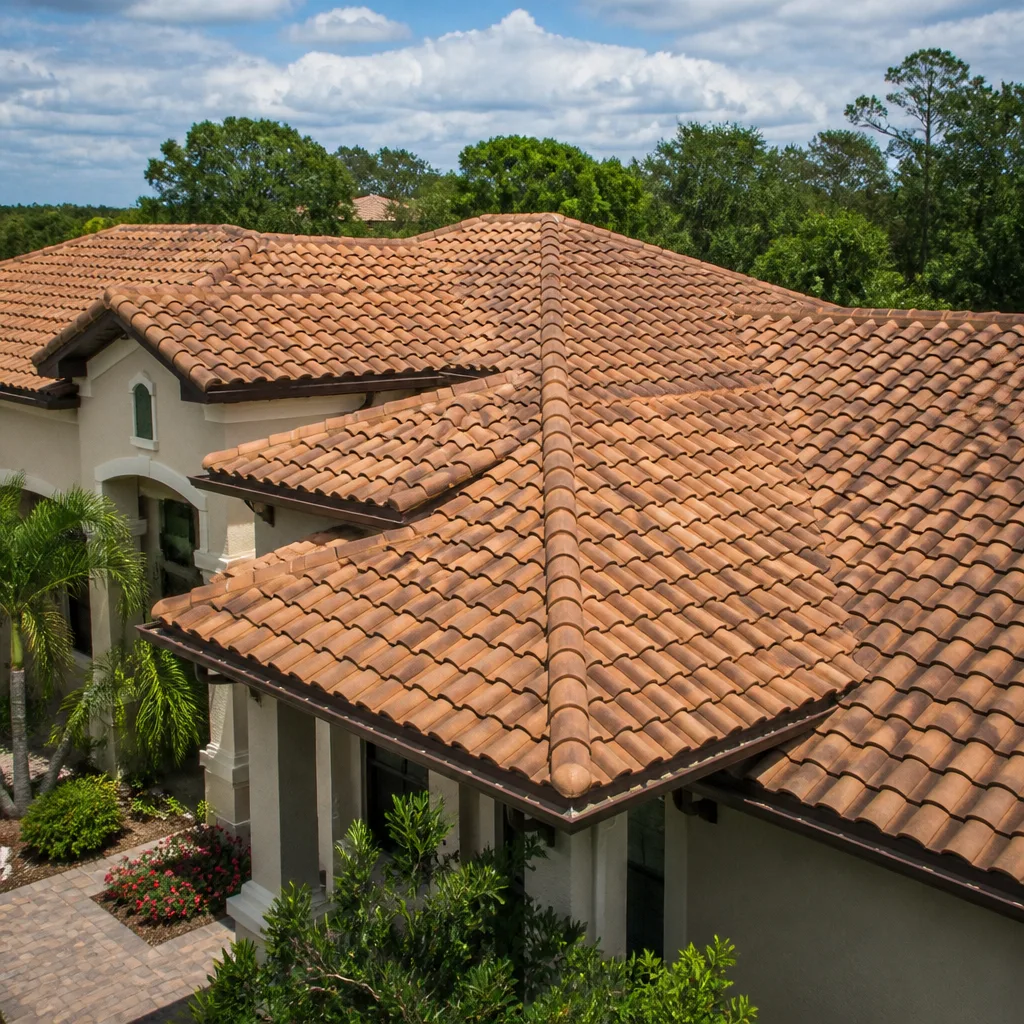 Tile roofing
 GAF
GAF Owens Corning
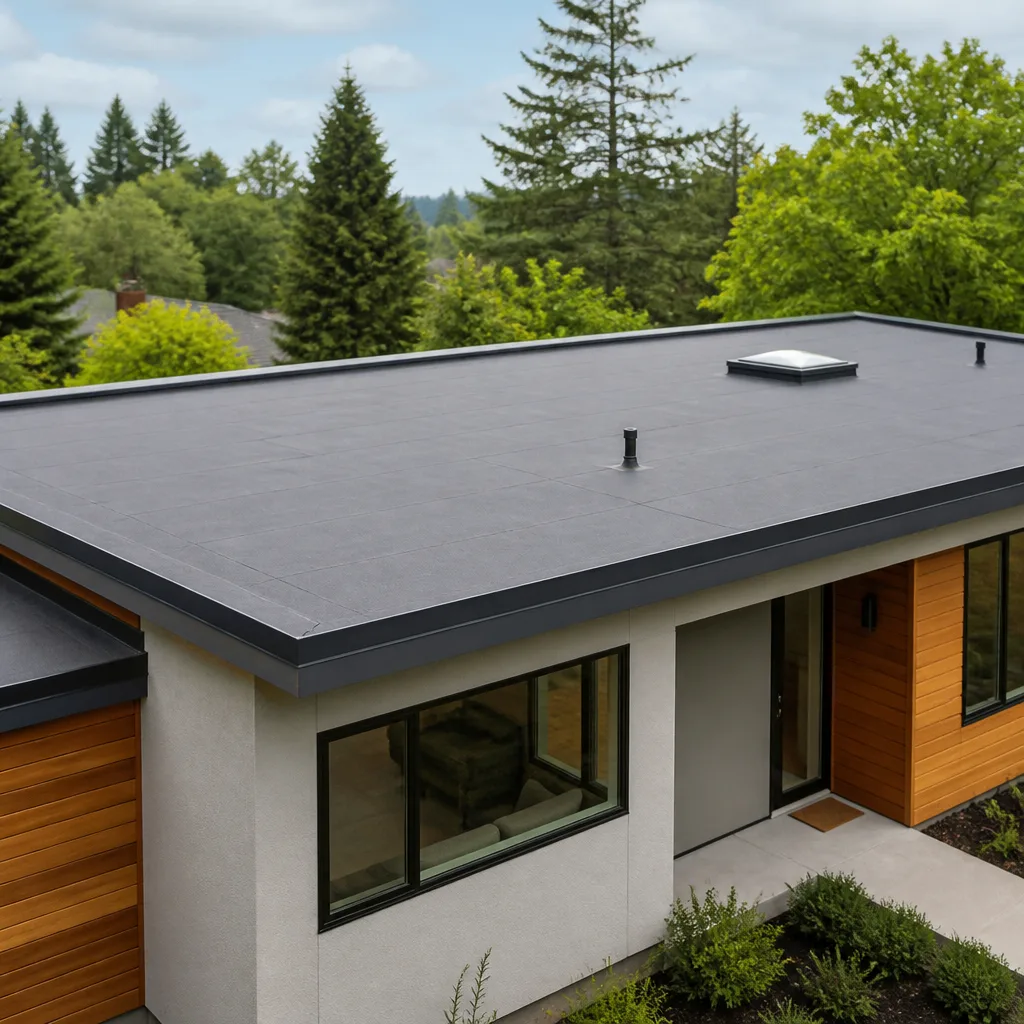 Flat & low-slope
Free roof inspection with deck photos before we talk money - GAF and Owens Corning certified installation
Styles & brands we work with
See the difference
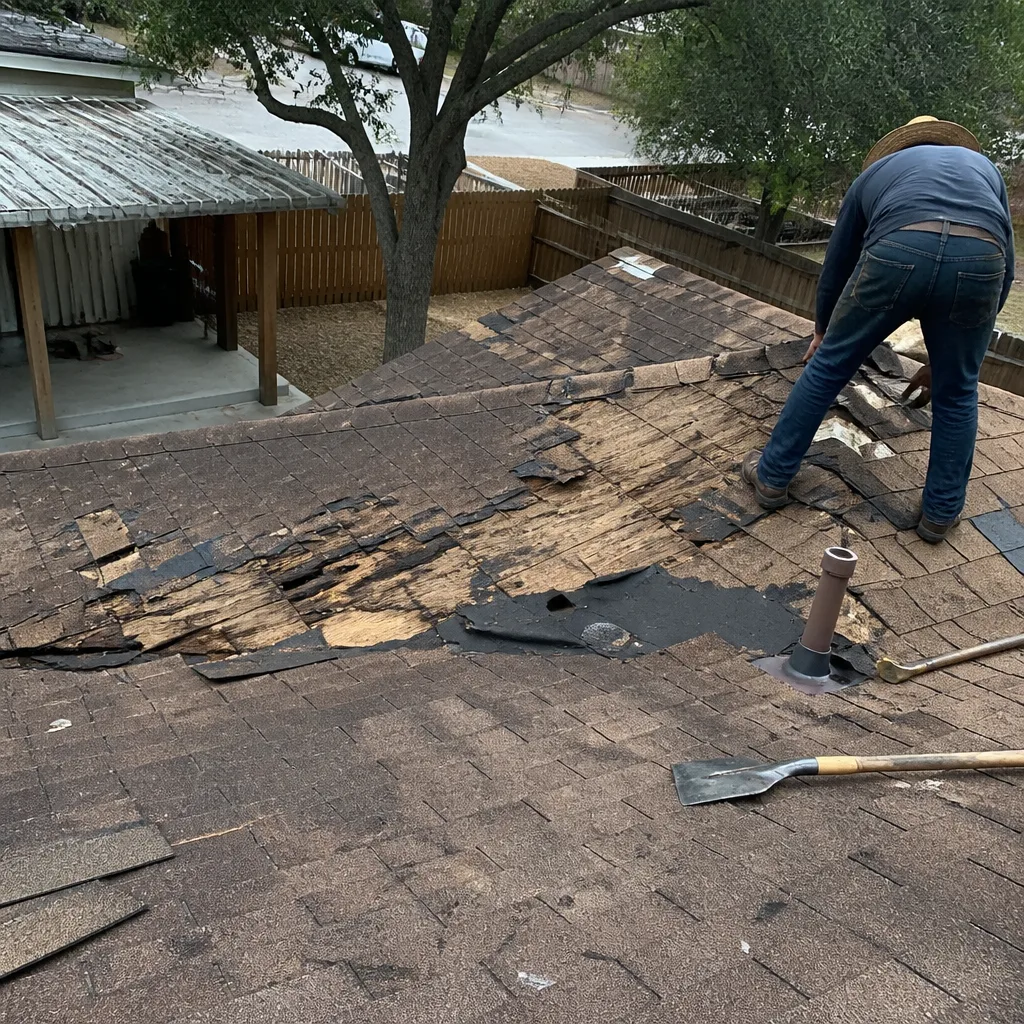 Before
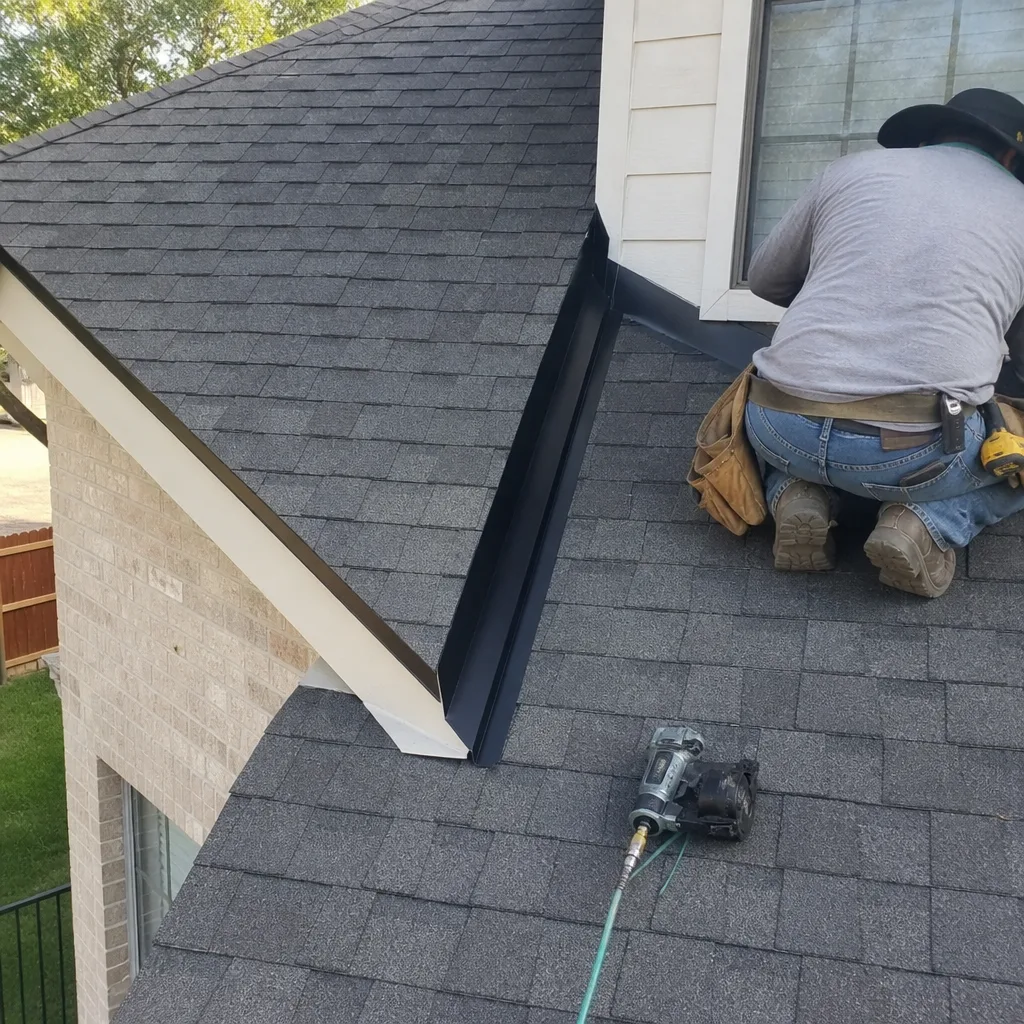 After
After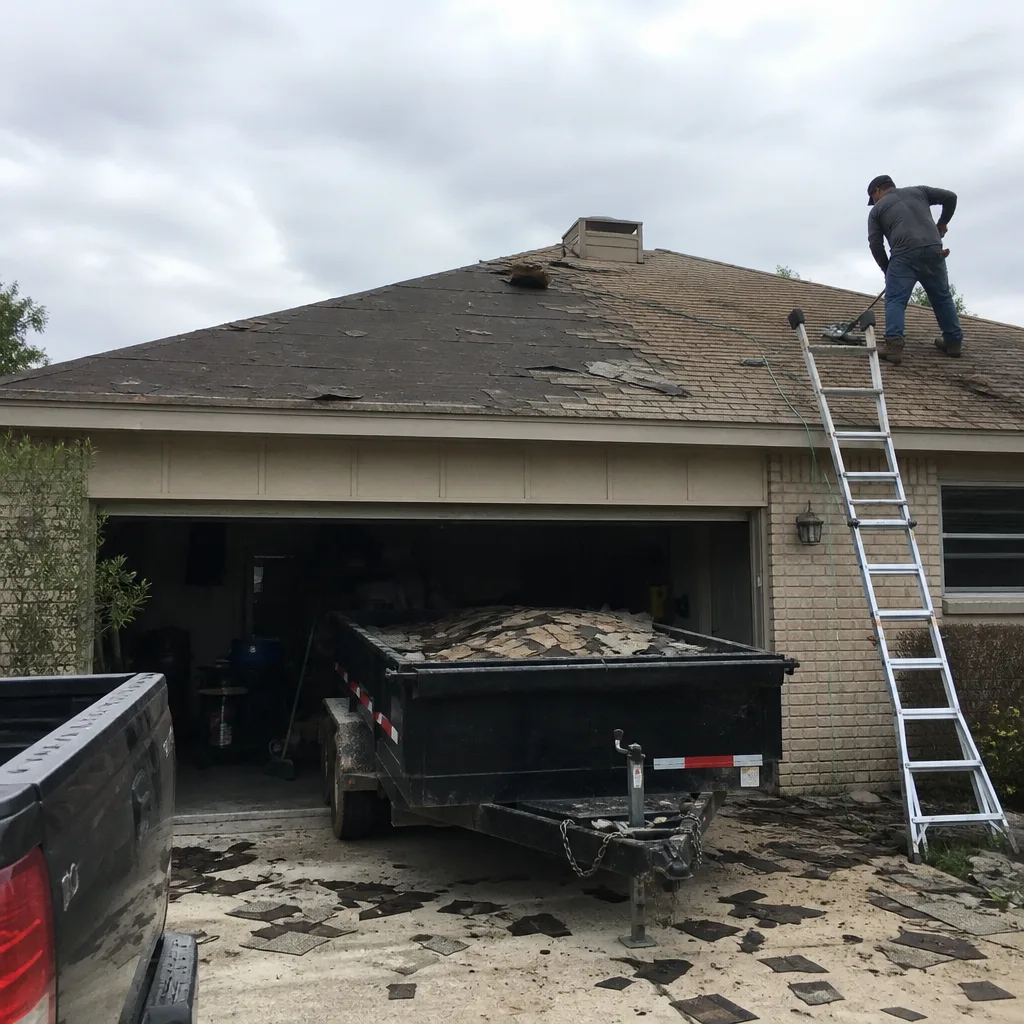 Before
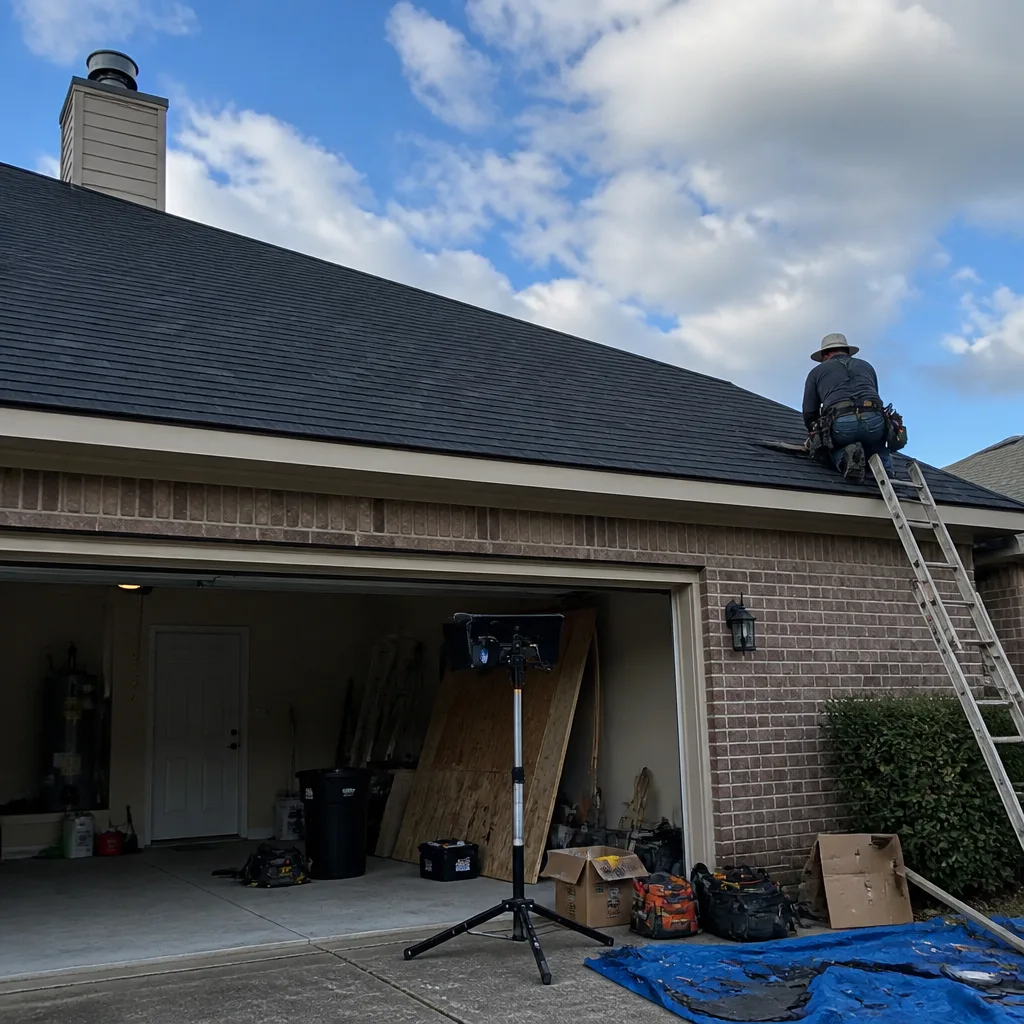 After
After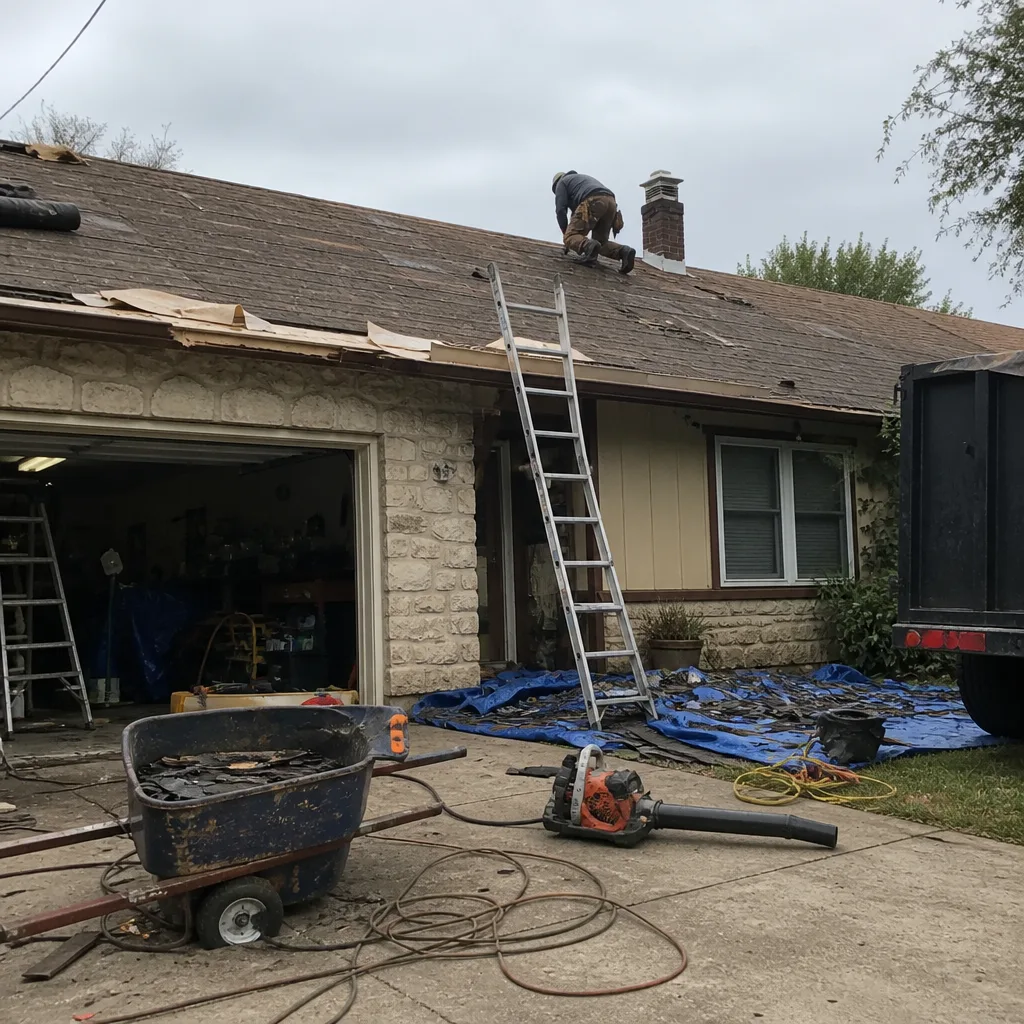 Before
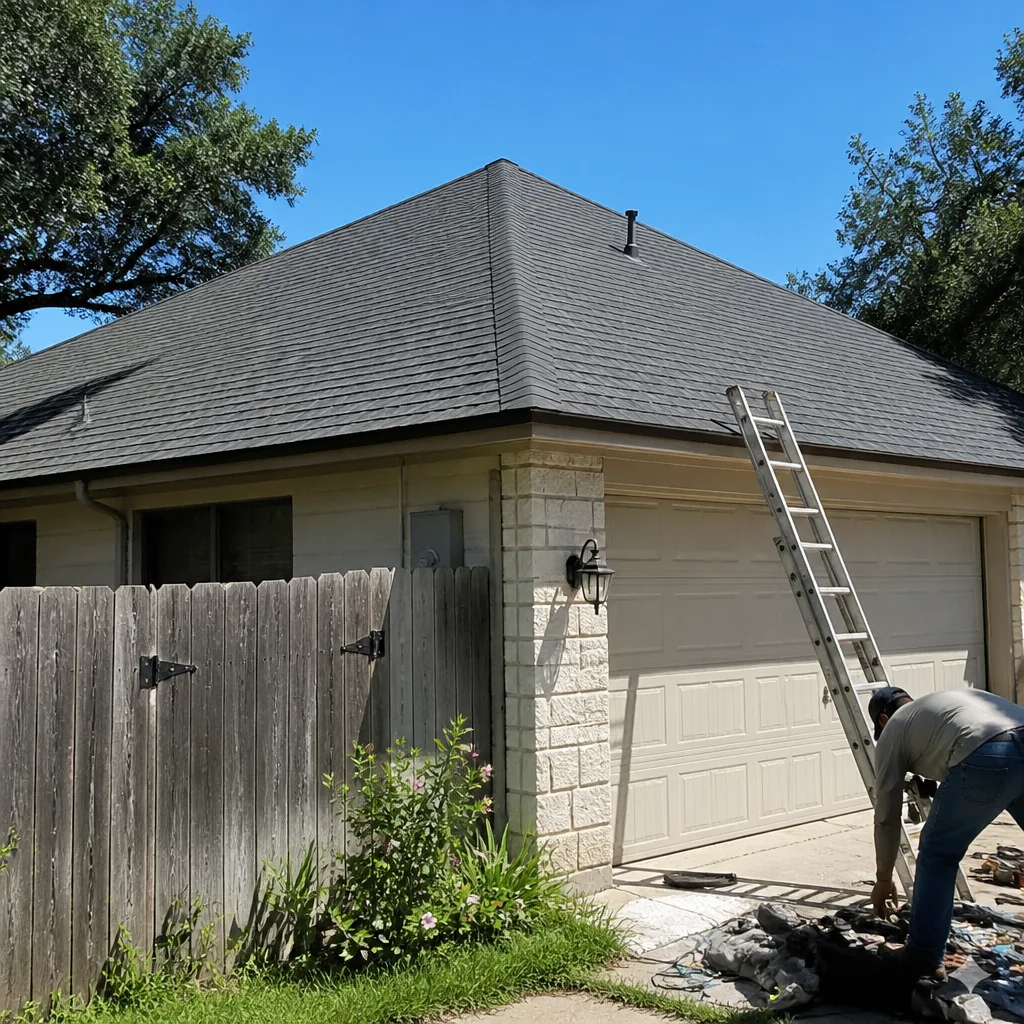 After
AfterValley Repair in San Antonio, TX
Valley repair in San Antonio typically costs between $350 and $900 depending on how much flashing, underlayment, and shingle work the valley needs, and most repairs can be completed in a single visit. A roof valley is the V-shaped channel where two roof slopes meet, and because San Antonio’s storms dump heavy, fast rain, these channels take more water volume than any other part of your roof. When a valley fails, the leak is rarely subtle. That’s why we treat valley repair as its own specialty at Mercer Roofing Co San Antonio, not a side note to a bigger Roof Repair job.
Our home page gives you the full picture of who we are, but here’s the short version: we were founded in 2000, we’re part of the Threshold Group family, and every technician who knocks on your door is background-checked, uniformed, and carrying a photo ID badge. Before that knock, you’ll have already seen their name and photo. That’s a Threshold Standard we don’t bend on, and it matters just as much for a small valley repair as it does for a full roof replacement.
If you suspect valley damage, call us at (254) 276-4369. A live person answers, 24/7, and we’ll schedule a free estimate with no obligation.
When You Need Valley Repair
Most homeowners don’t inspect their valleys monthly, and we don’t expect you to. But certain signs point directly at valley trouble, and catching them early is the difference between a $400 repair and a $3,000 interior restoration. Here’s what we see most often across San Antonio neighborhoods:
- Water stains on ceilings near exterior walls or in corners of upstairs rooms. Valleys channel water toward the edges of your home. When the metal flashing underneath degrades, water follows the roof decking and shows up inside, often far from the actual leak.
- Granules collecting in gutters below the valley. Shingles in valleys wear faster than field shingles because water velocity is higher there. If you’re seeing heavy granule buildup in a gutter that aligns with a roof valley, the shingles above are shedding their protective layer.
- Rust or visible corrosion on valley metal flashing. If you can see the valley flashing from the ground and it looks rusted through, bent, or pulled away from the shingles, it’s already failing. In San Antonio’s heat-and-rain cycle, flashing oxidizes and cracks over time.
- Debris packed into the valley channel. Live oak leaves, twigs, and sediment collect in valleys during fall and spring storms. Packed debris holds moisture against the shingles and flashing, accelerating decay and inviting mold.
- Visible shingle damage along valley edges. Cracks, lifted tabs, or missing shingles right where the two slopes meet are a direct indicator. Wind-driven rain exploits these gaps.
- Leaks that appear only during heavy downpours. Valleys handle the highest water flow when it rains hardest. A leak that shows up during a 2-inch storm but stays quiet during light drizzle is classic valley failure.
In neighborhoods like Alamo Heights, Terrell Hills, and Stone Oak, we regularly see valley damage caused by wind-driven debris from mature trees. In newer developments around Cibolo and Schertz, the culprit is more often short-shingled valleys or flashing that was improperly installed without proper overlap. The common thread: water finds the gap, and it works fast.
Safety note: Valley repair requires working at roof height, often on sloped surfaces. Walking a roof without proper fall protection equipment is genuinely dangerous. We do not recommend that homeowners climb onto their roofs to inspect valleys for themselves. A visual check from the ground with binoculars, or simply calling us for a professional inspection at no charge, is the safe route.
Our Valley Repair Process
Here’s exactly how a valley repair goes with Mercer Roofing Co San Antonio, from first call to final inspection:
- You call (254) 276-4369. A live person answers, day or night. You describe what you’re seeing, and we schedule a free estimate at a time that works for you. No automated phone trees, no call-back forms.
- You get your technician’s name and photo before they arrive. This is the Threshold Standard, and it’s not optional. When our tech pulls up to your home, you already know who they are. They’ll be in a clean, marked uniform and they’ll show you a photo ID badge at the door.
- We inspect the valley and the surrounding roof area. Our technician climbs up, documents what they find, and photographs the damage. We check the valley flashing, the shingles along both slopes, the underlayment beneath, and the decking below for water intrusion. We’ll show you what we found so you’re making decisions with actual evidence, not a sales pitch.
- You receive a written price before any work starts. No exceptions, no “we’ll figure it out later.” The price covers the full scope of the repair. If we find hidden damage after we start and the scope needs to change, we stop and show you a revised written price before continuing. You approve everything in writing.
- We complete the repair using quality materials matched to your roof. Depending on the damage, we’ll replace valley flashing, install new underlayment, and set fresh shingles from brands like GAF, CertainTeed, or Owens Corning, chosen to match your existing roof. We’re trained on the installation specs for every brand we carry.
- You receive a written guarantee and our 365-Day Done Right Promise. Every valley repair includes a written guarantee. If the repair fails within one year, we come back and make it right at no charge to you. That’s not just a promise we say out loud; it’s in writing on every job.
Valley Repair Pricing in San Antonio
Valley repair costs in San Antonio vary widely because no two valleys fail the same way. A simple flashing replacement with minor shingle work might run $350 to $550. A full valley rebuild, where we remove shingles from both slopes, replace the underlayment, install new flashing, and re-shingle the channel, typically runs $600 to $900. If water has already damaged the decking below, add $200 to $500 depending on how many sheets of plywood or OSB need replacement.
Here’s a breakdown of the common components and what they typically cost in the San Antonio market:
| Repair Component | Typical Cost Range |
|---|---|
| Valley flashing replacement only | $350 – $550 |
| Flashing + partial shingle replacement | $450 – $700 |
| Full valley rebuild (flashing, underlayment, shingles) | $600 – $900 |
| Decking replacement (per 4×8 sheet) | $75 – $125 per sheet |
| Full roof inspection (if no repair needed) | Free |
What moves the number? Steep roof pitch adds labor time and safety equipment requirements. A valley on a two-story home costs more than the same valley on a ranch because access is harder. Cedar shake or tile roofs adjacent to the valley change the flashing approach and material compatibility needs. And if the valley has been leaking long enough to cause interior ceiling damage, that’s a separate repair, though we’ll document everything for your insurance claim if you file one.
The price you’re quoted is the price you pay. That’s the no-hassle upfront pricing policy. We don’t add surprise line items at the end, and we don’t upsell you on a full roof replacement unless there’s genuine, documentable evidence that one is needed. If a repair will buy you several more years, we’ll tell you that, too.
Call (254) 276-4369 for a free estimate. No obligation, no pressure, just a written price and a clear explanation of what your valley needs.
Why the Threshold Standard Matters for Valley Repair
Valley repair is a service that puts a stranger on your roof. For many homeowners, that’s not a comfortable thought. We get that, and we built our company around solving it. The Threshold Verified standard means every Mercer Roofing technician is background-checked, identity-verified, and dispatched under the quality framework that every independently owned Threshold Group location is contractually held to. The uniform and photo ID badge are non-negotiable. The name and photo sent to you before the visit are non-negotiable. You should never wonder who’s climbing the ladder to your roof. You’ll know before they arrive.
This approach was built by owner Grant Whitlock and our team because we kept hearing the same worry from San Antonio homeowners: “I don’t know who these people are.” With Mercer, that specific worry goes away. We’re a local, independently owned business operating under the Threshold Standard, not a national call center dispatching anonymous subcontractors. The person who shows up is our employee, and we stand behind their work with our name and our guarantee.
Common Valley Problems We See in San Antonio
Woven Valley Shingle Failure
Some builders install woven valleys, where shingles from both slopes interlace through the channel instead of using metal flashing. It’s a faster install, and in drier climates it holds up acceptably. In San Antonio, with our intense summer sun followed by heavy rain events, woven valleys degrade unevenly. We regularly replace failing woven valleys with proper open valleys using corrosion-resistant flashing and a clean flat roof patch style cut line.
Flashing Corrosion and Pinhole Leaks
Thin gauge metal flashing, especially when exposed to the temperature swings and humidity of South Texas, develops pinhole corrosion that you’d never spot from the ground, making vent boot repair and flashing checks essential. By the time a pinhole becomes a visible ceiling stain, water has been moving through your roof system for weeks or months. We replace corroded flashing with heavier gauge metal suited to San Antonio’s climate.
Ice and Water Shield Failures Under the Valley
Under every properly installed valley, there should be a peel-and-stick waterproof membrane below the shingles. When that membrane was never installed, or was installed with gaps, water that gets past the shingles has a direct path to your decking. Our repair process checks the underlayment condition every time, because replacing shingles over rotten underlayment just wastes your money.
Debris Accumulation and Algae Growth
Shaded valleys, common on homes with large oak trees, collect moisture and organic debris that promotes algae and moss. That biological growth works its way under shingle edges and accelerates granule loss. We address the root cause during repair and can recommend gutter or trim adjustments that reduce future debris buildup.
FAQs – Valley Repair
How much does valley repair cost in San Antonio?
Valley repair in San Antonio typically costs between $350 and $900 depending on the extent of the damage, and the average job lands around $550. A simple flashing replacement is on the lower end, while a full valley rebuild with new underlayment and shingles runs higher. Every estimate is free, and you’ll get a written price before any work begins. Call (254) 276-4369 for an exact quote on your roof.
Can you fix a leaking valley the same day?
Yes, in most cases we can complete valley repair the same day we inspect, assuming the weather cooperates and the damage doesn’t require extensive decking replacement. We keep common flashing profiles and a range of shingle colors on our trucks specifically so we can handle valley leaks without a second visit. If a storm is actively coming down, we can install a temporary weather seal first and return for the permanent repair when it’s dry. Call us at (254) 276-4369 and we’ll tell you honestly what your timeline looks like.
Is it cheaper to repair a valley or replace the section of roof?
Repairing the valley is almost always cheaper than replacing a roof section, typically by a factor of three to five. A valley repair runs $350 to $900, while replacing a full roof slope can run $3,000 to $7,000. We’ll only recommend a larger replacement if the damage has spread beyond the valley, or if your shingles are near the end of their life and a repair would be a temporary bandage. The decision is yours, and we’ll show you the evidence either way. Get a free written estimate at (254) 276-4369.
How long does a valley repair last?
A properly installed valley repair with quality flashing and underlayment should last 15 to 20 years, and it’s covered by our 365-Day Done Right Promise. If the repair fails within the first year, we return and fix it at no cost to you. The written guarantee you receive covers the workmanship and materials on every valley repair we complete. That’s our promise, and it’s in writing every time. Call (254) 276-4369 to schedule your free inspection.
Contact Mercer Roofing Co San Antonio for Valley Repair
If you’re seeing water stains, granule buildup, or any sign of valley damage on your San Antonio home, don’t wait for the next big storm to confirm your suspicions. Call (254) 276-4369 now and schedule a free valley inspection. A live person answers 24/7, you’ll get your technician’s name and photo before they arrive, and you’ll receive a written price before any work starts. Every valley repair includes a written guarantee and the 365-Day Done Right Promise. That’s how we’ve done business since 2000, and it’s how we’ll do business on your roof.
Written by Grant Whitlock, Owner at Mercer Roofing Co San Antonio, serving San Antonio.