
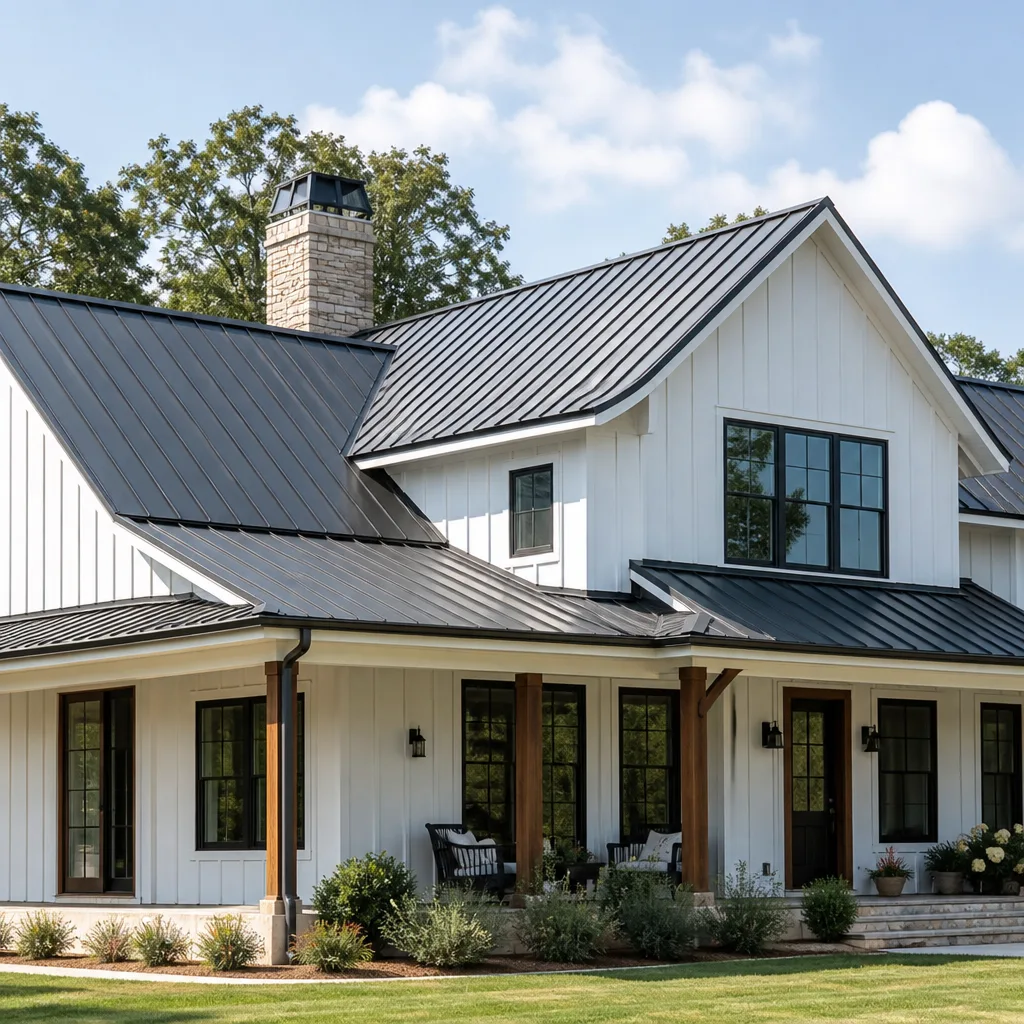
 Metal roofing
 Architectural shingles
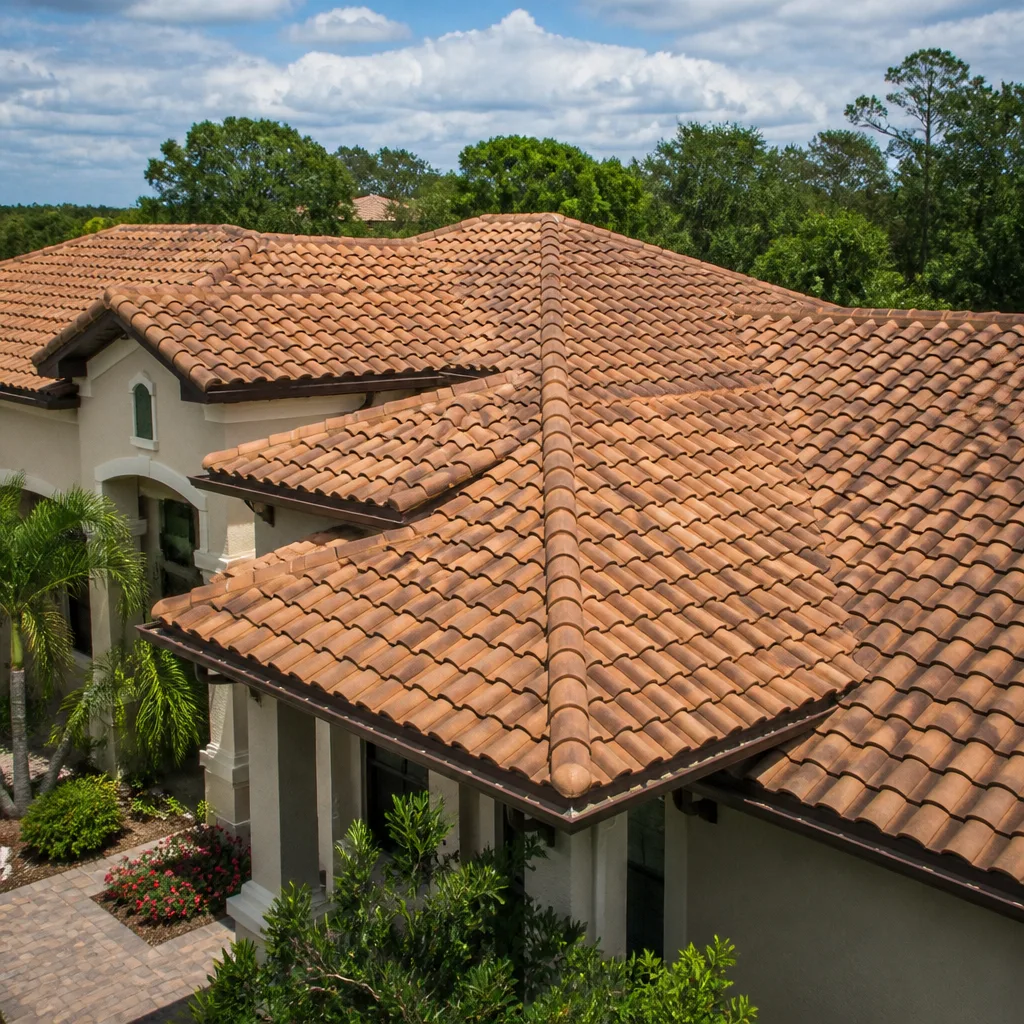 Tile roofing
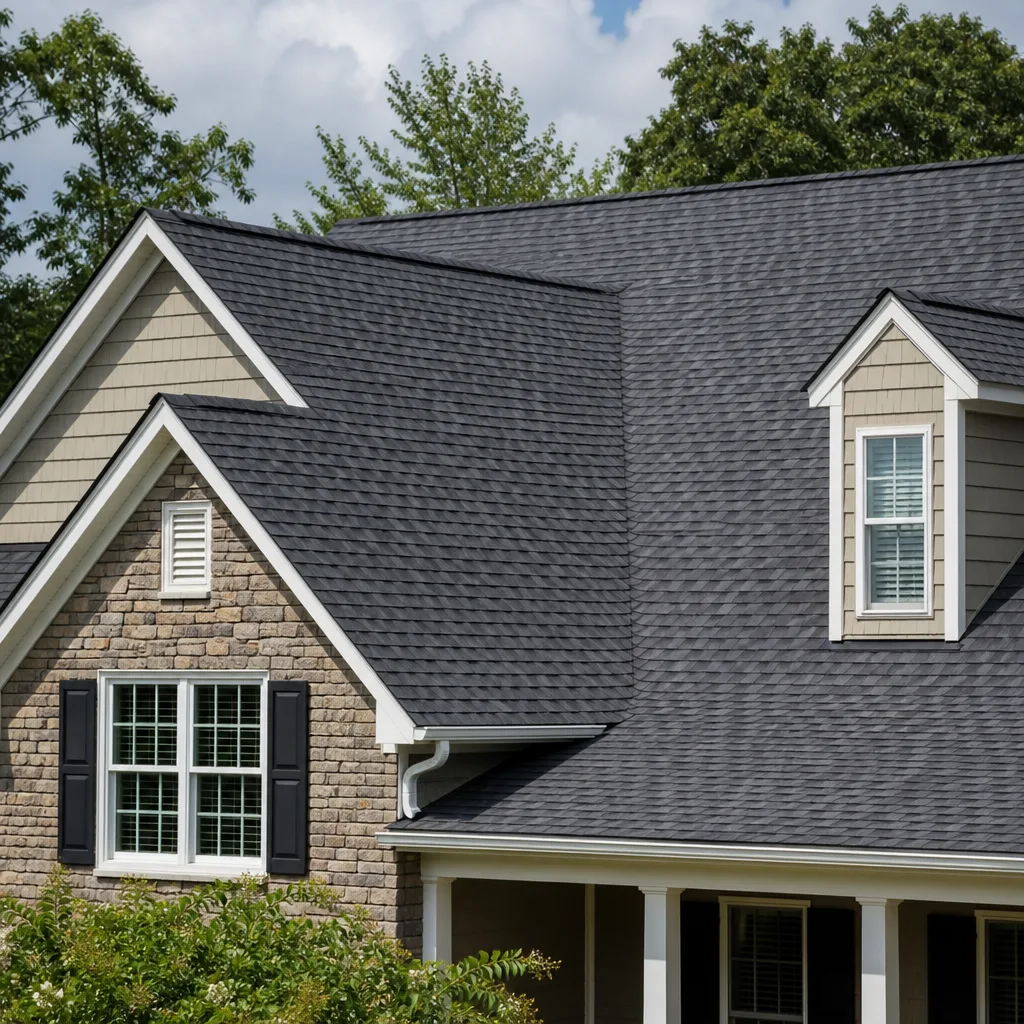 GAF
GAF Owens Corning
 Flat & low-slope
Free roof inspection with deck photos before we talk money - GAF and Owens Corning certified installation
Atlas Flashing Replacement: The San Antonio Owner’s Guide
Atlas flashing replacement in San Antonio typically runs $350 to $900 installed, depending on the flashing type, roof pitch, and how much surrounding shingle work the job requires. Most Atlas flashing failures we see involve step flashing along chimneys, walls, and skylights, or pipe boot flashing around plumbing vents. The telltale sign is almost always the same: a brown water stain on the ceiling that shows up after a hard Texas downpour, or granules from the shingles collecting in the gutter right below a flashing seam.
Here’s the reality with Atlas roofing systems: the shingles themselves are built to take a beating, but the flashing is the part that gets asked to do the hardest job on the roof. It has to bend, expand, contract, and shed water through 100-degree summers and the occasional freeze. When it gives up, the leak usually isn’t dramatic. It’s a slow drip that finds its way into the decking, then the insulation, then your ceiling. By the time you see the stain, the flashing has been failing for a while. That’s why we take flashing calls seriously in San Antonio, especially on older homes where the original flashing was installed decades ago and has been baking in the Texas sun ever since.
Key Takeaways:
- Installed Atlas flashing replacement in San Antonio generally costs $350 to $900
- Flashing fails before shingles do, especially around chimneys, walls, skylights, and vent pipes
- Slow leaks from failed flashing can rot decking before you ever see water inside
- We stock Atlas-compatible flashing on our trucks and can usually complete the job same day
Which Atlas Models This Applies To
Atlas flashing isn’t model-specific the way a car part is. The flashing we replace works across Atlas shingle lines, including Pinnacle, StormMaster, GlassMaster, and the newer Atlas Signature Select series. What matters more than the shingle model is the flashing type and the material. Atlas systems use standard residential flashing profiles: galvanized steel, aluminum, and in some cases copper for high-end installs. The critical spec is the gauge and the dimensions. Step flashing for walls and chimneys typically comes in 10-inch by 10-inch pieces, but on some San Antonio homes we’ve seen original flashing as small as 6-by-6, which is undersized by today’s code. Pipe boots need to match the vent pipe diameter, usually 1.5 inches or 3 inches.
Here’s the compatibility gotcha that catches a lot of homeowners: Atlas shingles have a specific exposure, meaning the portion of the shingle that’s visible changes how step flashing must be staggered. If flashing is installed with the wrong reveal, water wicks behind the shingle instead of shedding over it. We measure the existing flashing and the shingle exposure before we quote anything. OEM Atlas flashing and quality aftermarket equivalents both work fine, but we lean toward galvanized steel over aluminum in San Antonio because steel holds up better to the hail we get every spring. Aluminum is lighter and easier to work with, but it dents and can pit over time when it’s hit hard enough by hail stones the size of golf balls.
One more thing worth knowing: Mercer Roofing Co San Antonio is an independent roofing contractor. We’re not affiliated with Atlas, but we install and repair Atlas products regularly and stock flashing that’s compatible with their roofing systems. We also carry flashing for GAF, Owens Corning, and CertainTeed roofs, so if you’ve got a mixed roof or aren’t sure what you have, we can figure it out when we get up there.
Styles & brands we work with
Signs Your Atlas Flashing Replacement Is Failing
- Water stains on ceilings or walls after heavy rain. This is the most common first sign. Failed step flashing near a chimney or wall lets water run behind the shingles and into the house. The stain usually appears on the ceiling or upper wall, not always directly below the leak. Water travels along rafters and joists before it finally drips where you can see it.
- Granules collecting in gutters below flashing seams. When flashing lifts or corrodes, water gets under the shingle edges next to it and starts wearing the shingle mat away. You’ll see more granules than usual in the gutter right at the base of a valley or below a wall intersection. That’s the shingles losing their protective surface because the flashing isn’t doing its job.
- Visible rust, cracks, or lifted flashing edges. Galvanized flashing that’s been on a San Antonio roof for 20 years has been through hundreds of thermal cycles. The zinc coating eventually wears away, and rust sets in. Once flashing rusts through or the caulk along the top edge dries out and cracks, water has a direct path in.
- Damp or soft spots in the attic near roof penetrations. If you can safely get into the attic, check the decking around vent pipes, skylights, and the chimney chase. Dark staining on plywood or OSB, or wood that feels spongy when pressed, means water has been getting past the flashing long enough to damage the decking.
- Drafts or daylight visible around the chimney or skylight from inside. This one’s easy to spot. If you can see light coming through where the roof meets the chimney or a skylight curb, the flashing has separated enough that air and water are both getting through. It needs attention before the next storm.
See the difference
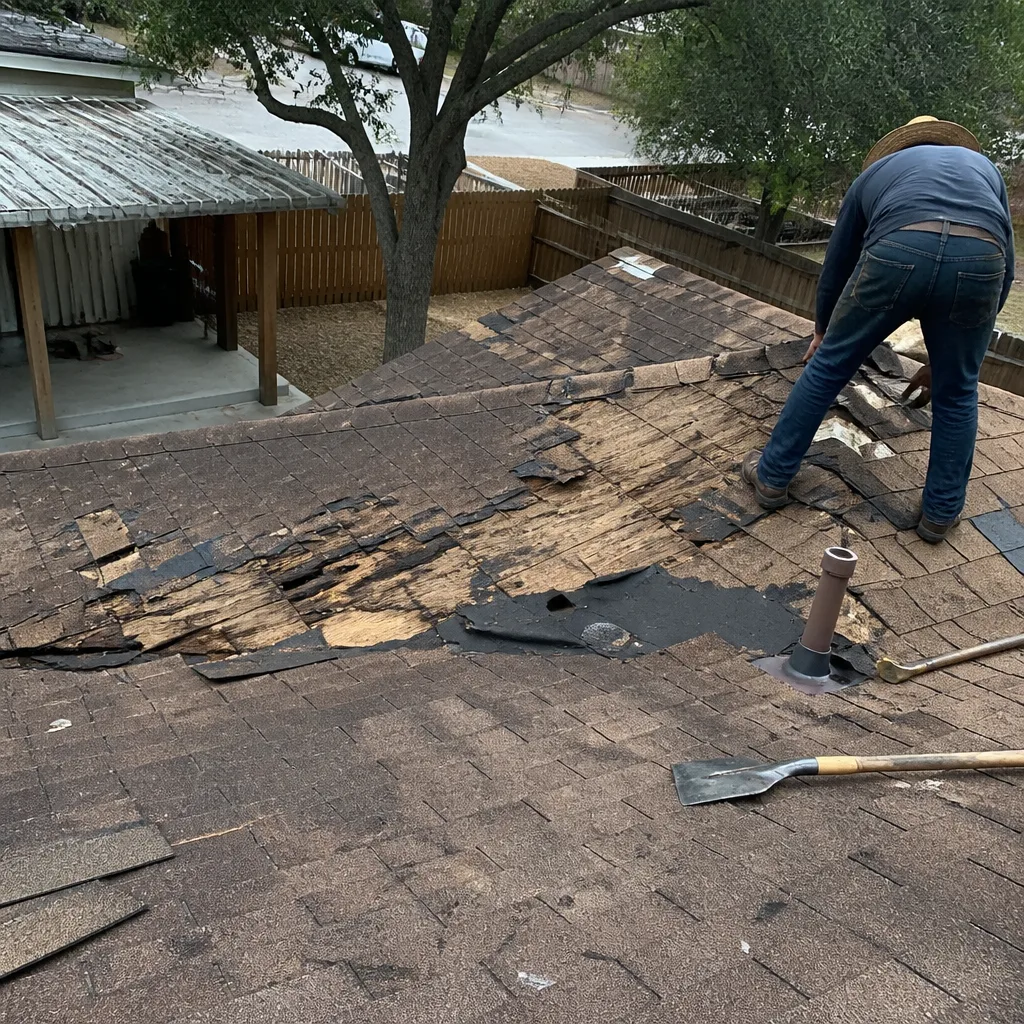 Before
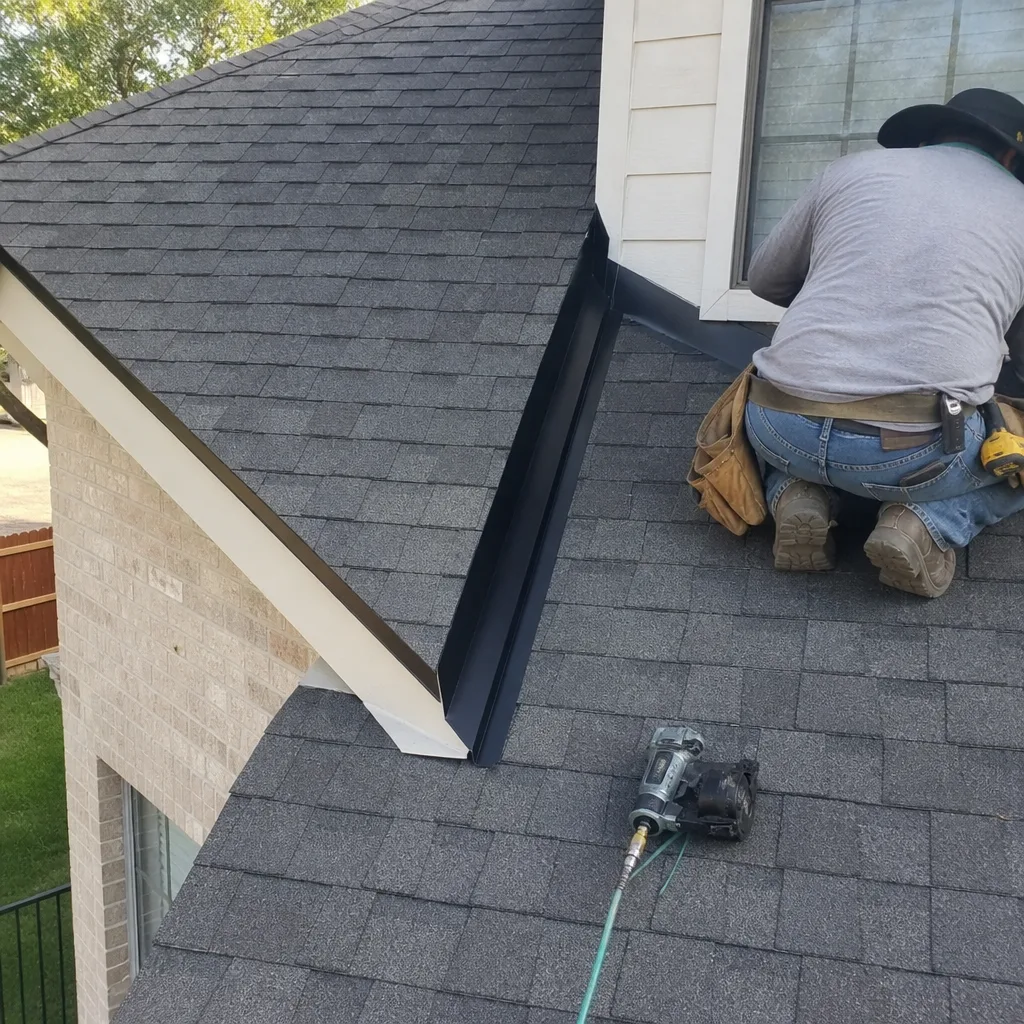 After
After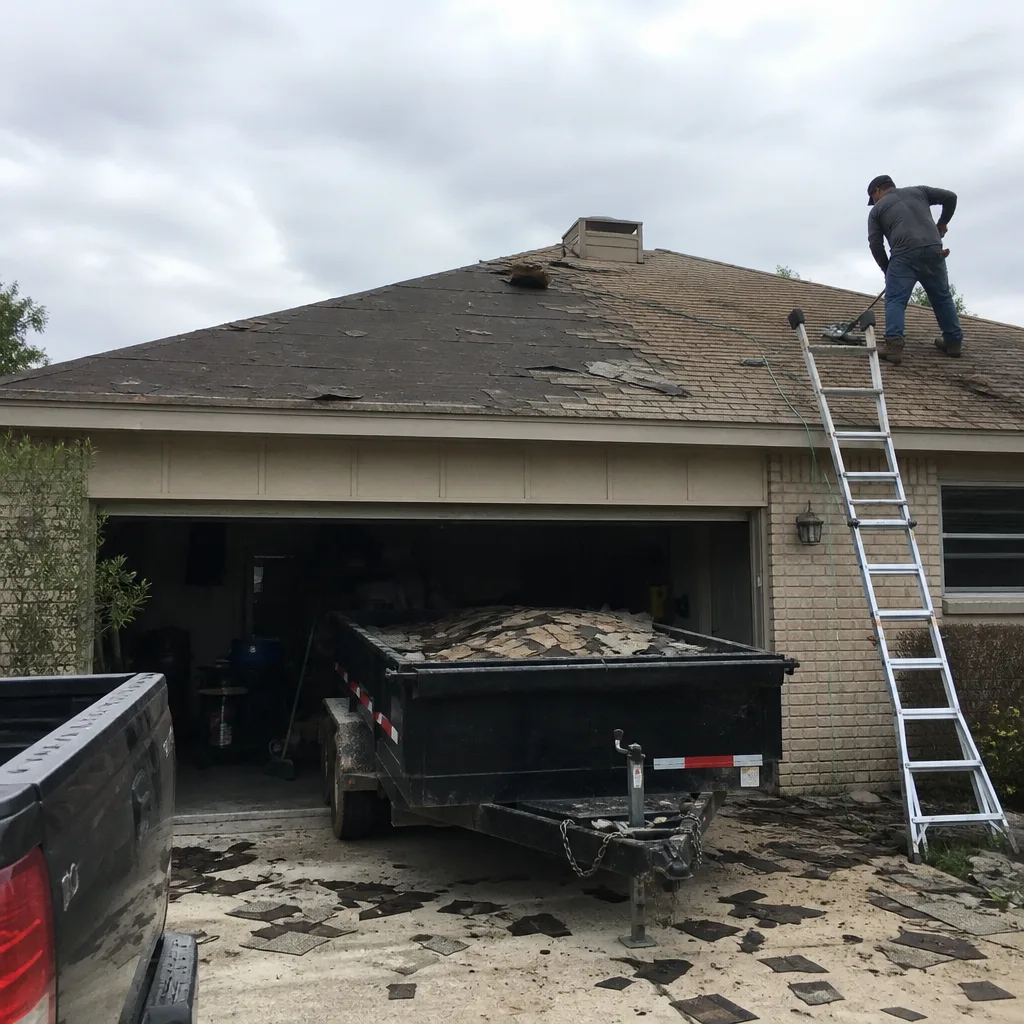 Before
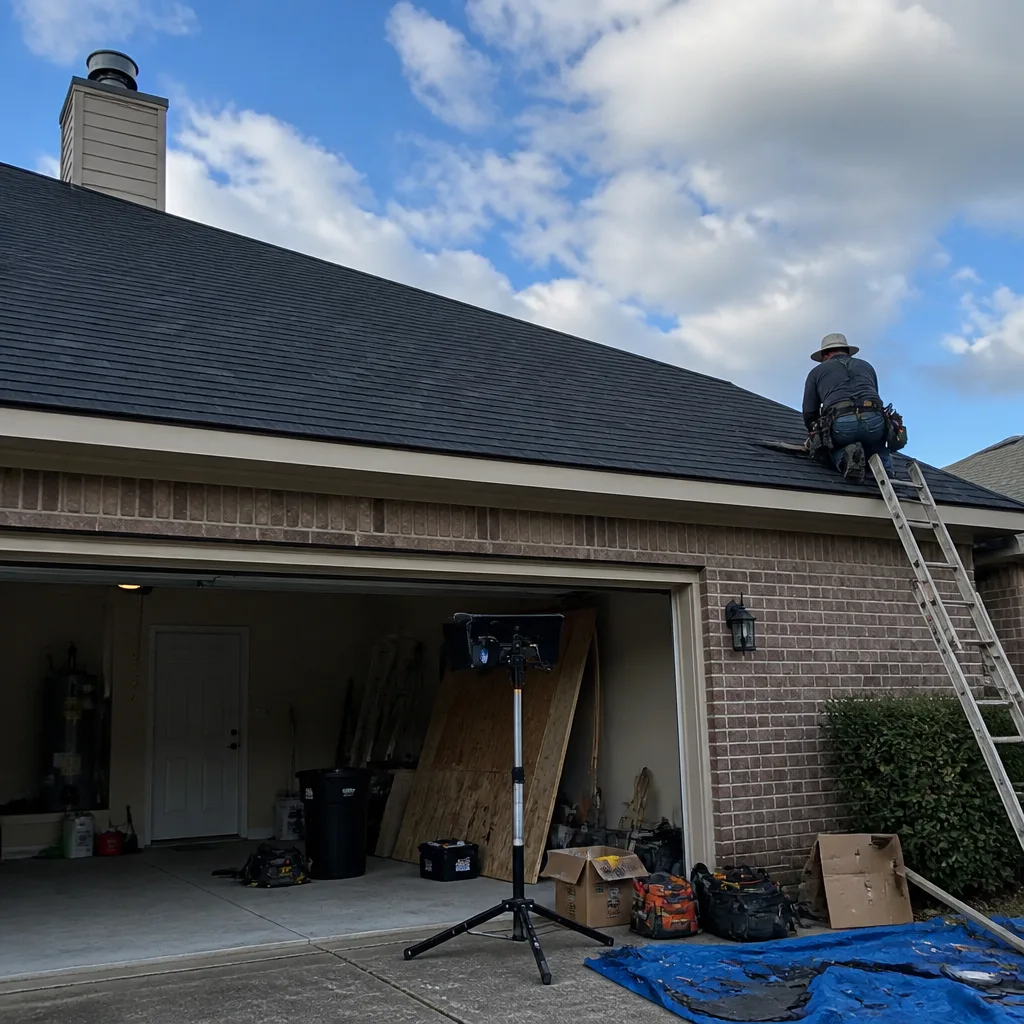 After
After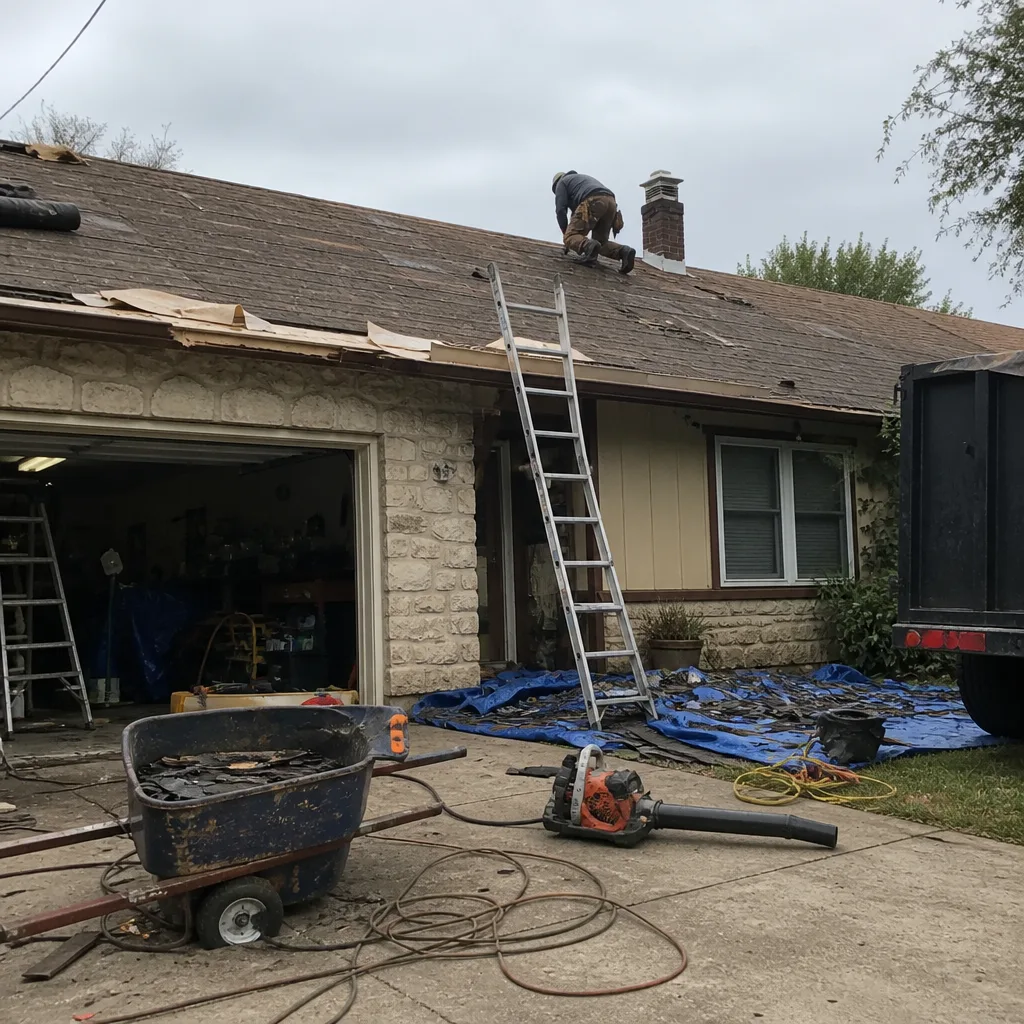 Before
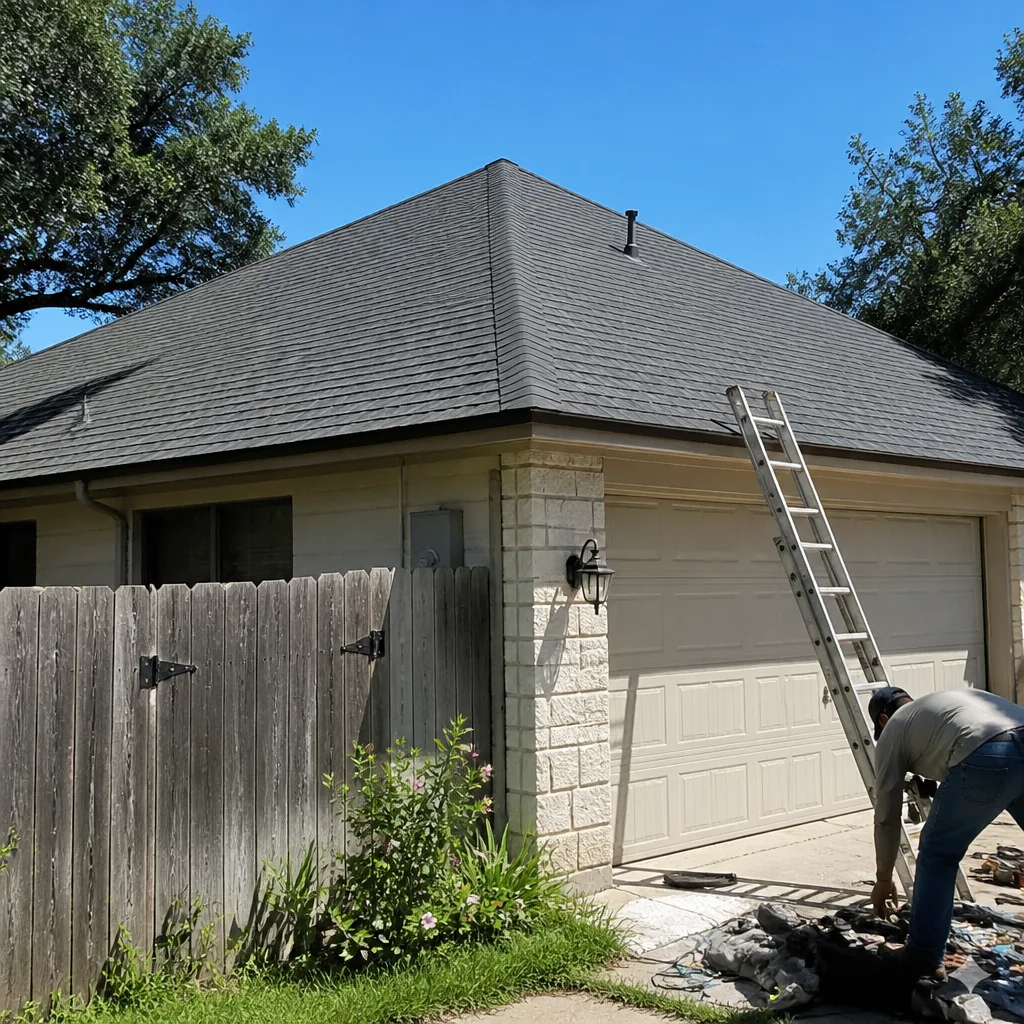 After
AfterReplacement Cost & What’s Included
In San Antonio, you’ll typically pay $350 to $550 to replace pipe boot flashing around a single plumbing vent, and $600 to $900 for step flashing along a wall or chimney that requires lifting shingles and reinstalling them. If the decking underneath has rotted from a long-term leak, that repair adds $200 to $500 per sheet depending on the size of the affected area. Copper flashing, if the original install used it, pushes the material cost higher, usually adding $150 to $300 to the total.
What drives the range is access and pitch. A steep roof with a chimney on the second story takes longer and requires more safety setup than a single-story with a gentle slope. Every quote includes the flashing itself, the labor, any shingle replacement needed where we lifted the existing shingles, fresh sealant rated for Texas heat, and haul-off of the old material. You get a written price before any work starts. No surprises on the invoice. And every flashing replacement comes with our 365-Day Done Right Promise in writing. If the repair fails within a year, we come back and make it right at no charge.
DIY or Call Us?
Here’s the honest answer: you can inspect flashing from the ground with binoculars. Look for lifted edges, rust streaks, cracked caulk, and missing pieces. What we don’t recommend is getting on the roof to fix it yourself. Roof work in San Antonio means steep pitches, brittle shingles that crack when you kneel on them, and surfaces that get dangerously slick after a light rain. Flashing replacement isn’t just prying up a piece of metal and nailing a new one in. You have to lift the surrounding shingles without damaging them, get the stagger right for the shingle exposure, seal the top edge properly, and make sure the whole thing sheds water the way it’s supposed to. Get any of that wrong and you’ve turned a $500 repair into a $3,000 decking replacement.
A roof shouldn’t be something you worry about, that’s our job. If you suspect your Atlas flashing is failing, call us at (254) 276-4369. We’ll send a technician who arrives in a marked uniform and presents a photo ID badge at the door. Their name and photo are sent to you before they arrive, so you know exactly who’s coming. Every repair starts with a written price. Nothing starts until you approve it.
FAQs
Atlas-compatible galvanized steel flashing typically lasts 15 to 25 years in the San Antonio climate, but that lifespan shortens on west-facing exposures where afternoon sun beats on it daily, and in areas with heavy tree cover where trapped moisture accelerates corrosion. Pipe boot flashing, which has a rubber collar, tends to fail around the 8 to 12 year mark because the rubber degrades in heat faster than the metal corrodes. Call (254) 276-4369 if your roof is in that age range and you want us to take a look.
In some cases, yes. If the flashing itself is intact and the issue is just cracked sealant along the top edge, a reseal can buy you a year or two. But if the metal is rusted through, lifted, or the flashing was installed with the wrong stagger in the first place, patching is a waste of your money. We’ll tell you straight which one applies to your roof, and we’ll only recommend replacement when repair won’t hold. Estimates are free, call (254) 276-4369.
Most single-penetration flashing replacements, like a pipe boot or a small section of step flashing, are done in 2 to 3 hours from setup to cleanup. A full chimney flashing job with counterflashing and shingle rework usually takes half a day. If decking repair is needed, that extends the job to a full day. We’ll give you a time estimate in writing before we start.
Yes. Our trucks carry standard galvanized steel step flashing, pipe boots in the common sizes, roof-to-wall flashing, and sealants rated for Texas heat. If your home needs copper flashing or a specialty profile, we can typically have it in hand within 24 to 48 hours. Most Atlas-compatible flashing replacements in San Antonio are completed the same day we arrive.
If your Atlas flashing is leaking, don’t wait for the next storm to prove it. Call Mercer Roofing Co San Antonio at (254) 276-4369 for a free estimate. A live person answers, day or night. We’ll send a background-checked, uniformed technician whose name and photo you receive before they arrive, and you’ll get a written price before any work begins. Grant Whitlock and the crew have handled flashing work on homes across San Antonio, from older Alamo Heights properties with original metal to newer subdivisions where the builder cut corners. We know what failing Atlas flashing looks like, and we know how to fix it so you stop thinking about it.
Written by Grant Whitlock, Owner, Mercer Roofing Co San Antonio at Mercer Roofing Co San Antonio, serving San Antonio and nearby areas.