
 Metal roofing
 Architectural shingles
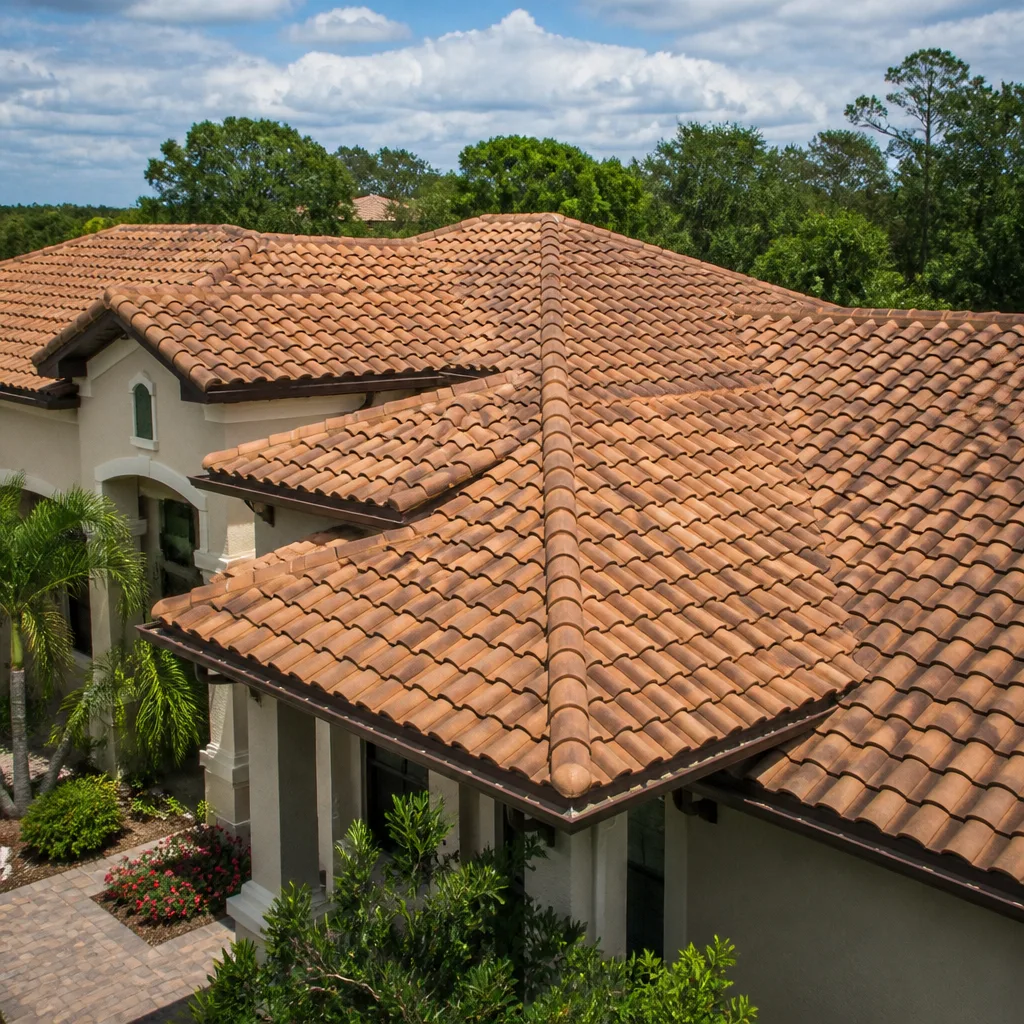 Tile roofing
 GAF
GAF Owens Corning
 Flat & low-slope
Free roof inspection with deck photos before we talk money - GAF and Owens Corning certified installation
IKO Flashing Replacement: The San Antonio Owner’s Guide
We stock and install IKO-compatible flashing replacement in San Antonio, with most residential jobs running $350 to $1,200 depending on how much flashing is compromised and where it sits on the roof. Typical turnaround is same-day once we see the damage, because our trucks carry the common IKO profiles and we’re not waiting on a warehouse order. Most homeowners discover flashing failure the hard way: a water stain on the ceiling after a hard San Antonio downpour, or granules collecting in the gutter near a wall joint, or daylight peeking through where the roof meets a chimney.
Flashing is the metal or synthetic material that seals the seams of your roof, the places where shingles can’t do the job alone: valleys, sidewalls, chimneys, skylights, pipe penetrations. When it fails on an IKO roof, water gets behind the shingles and into the decking. The fix is rarely just caulk. It’s removing the compromised flashing, inspecting what’s underneath, and installing a replacement that matches the original profile. Grant Whitlock has watched enough San Antonio flashing jobs to know that the part itself matters less than the hand installing it, and that a straight price in writing beats a guess every time.
Key Takeaways:
- IKO flashing replacement in San Antonio typically runs $350 – $1,200 installed, depending on location and extent.
- Most flashing fails at wall joints and chimneys first, not open-field shingle areas.
- We carry common IKO-compatible flashing profiles on the truck for same-day replacement.
- Every job gets a written price before work starts and a 365-day guarantee on the repair.
Which IKO Models This Applies To
Flashing is not shingle-specific the way a color-matched cap is, but IKO’s design profile does affect what we install. IKO’s Cambridge and Dynasty lines dominate San Antonio residential roofs, and both use a thicker, squared shingle profile that transitions a little differently at sidewalls than a thin three-tab. What matters for replacement is the flashing’s material and profile: galvanized steel, aluminum, or the newer synthetic flashing IKO has moved toward in recent years. If your roof was installed in the last decade with Cambridge or Dynasty architectural shingles, the flashing is likely steel with a factory finish or a polymer-based material, and we match like for like so thermal expansion rates stay compatible.
How to identify what you have: check the shingle wrapper if any bundles remain in the garage or attic, or look at the color and edge profile. Better yet, we’ll tell you. Our technicians read the roof the way a mechanic reads an engine, and part of that is knowing what the original crew used. For IKO specifically, the decision between OEM and quality aftermarket flashing is usually simple: OEM is the safest match for warranty-sensitive spots like the ridge and chimney, while a well-made aftermarket steel flashing often outlasts the original at sidewalls and pipe boots. We carry both and we’ll tell you which makes sense for your roof. Mercer Roofing Co San Antonio is an independent roofing contractor and not affiliated with IKO, but we work with their shingle systems every week.
Styles & brands we work with
Signs Your IKO Flashing Replacement Is Failing
- Water stains on interior ceilings or walls near chimneys, skylights, or wall-to-roof junctions. This is the most common first sign. Water follows the failed flashing seam and shows up inside long before you see anything wrong from the ground. The stain usually widens after heavy rain.
- Lifted or curling flashing at headwalls and sidewalls. San Antonio’s sun and heat cycles expand and contract metal flashing, and over time the fasteners loosen. When you see a gap where the flashing should sit flush against the wall, water has a direct path behind the shingles.
- Granules collecting in gutters near wall joints or valleys. Failed flashing accelerates shingle wear in the surrounding area because water runs sideways instead of down. If you see a concentration of granules in one spot, the problem is probably not the shingles themselves but the flashing above them.
- Rust or visible corrosion on chimney flashing. Older galvanized flashing in San Antonio lasts 15 to 20 years before the zinc layer breaks down. Once rust starts, pinholes follow, and those pinholes let in enough water to rot decking over a single wet season.
- Daylight visible through roof-to-wall gaps from inside the attic. This is a definite failure, not an early warning. If you can see light where the roof meets a wall or chimney, water is already getting in. Call a roofer the same day you spot it.
See the difference
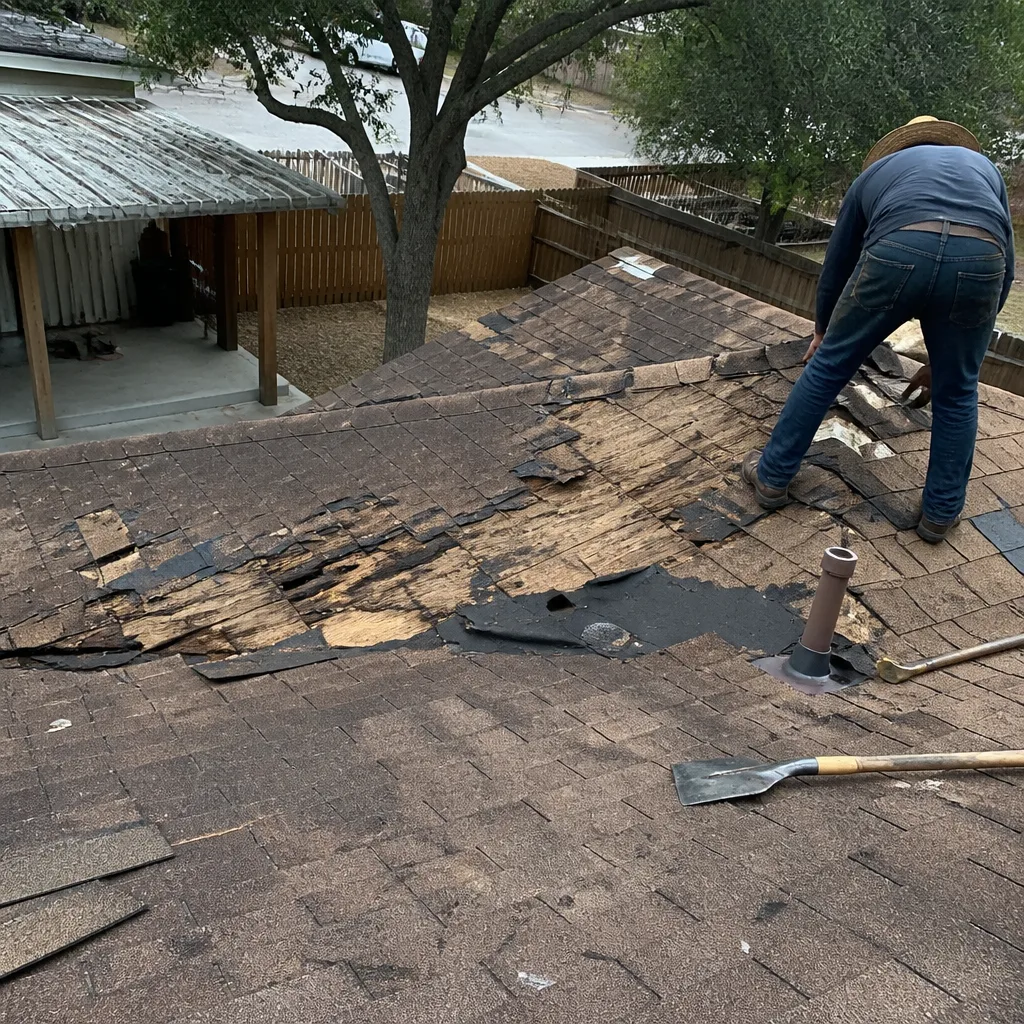 Before
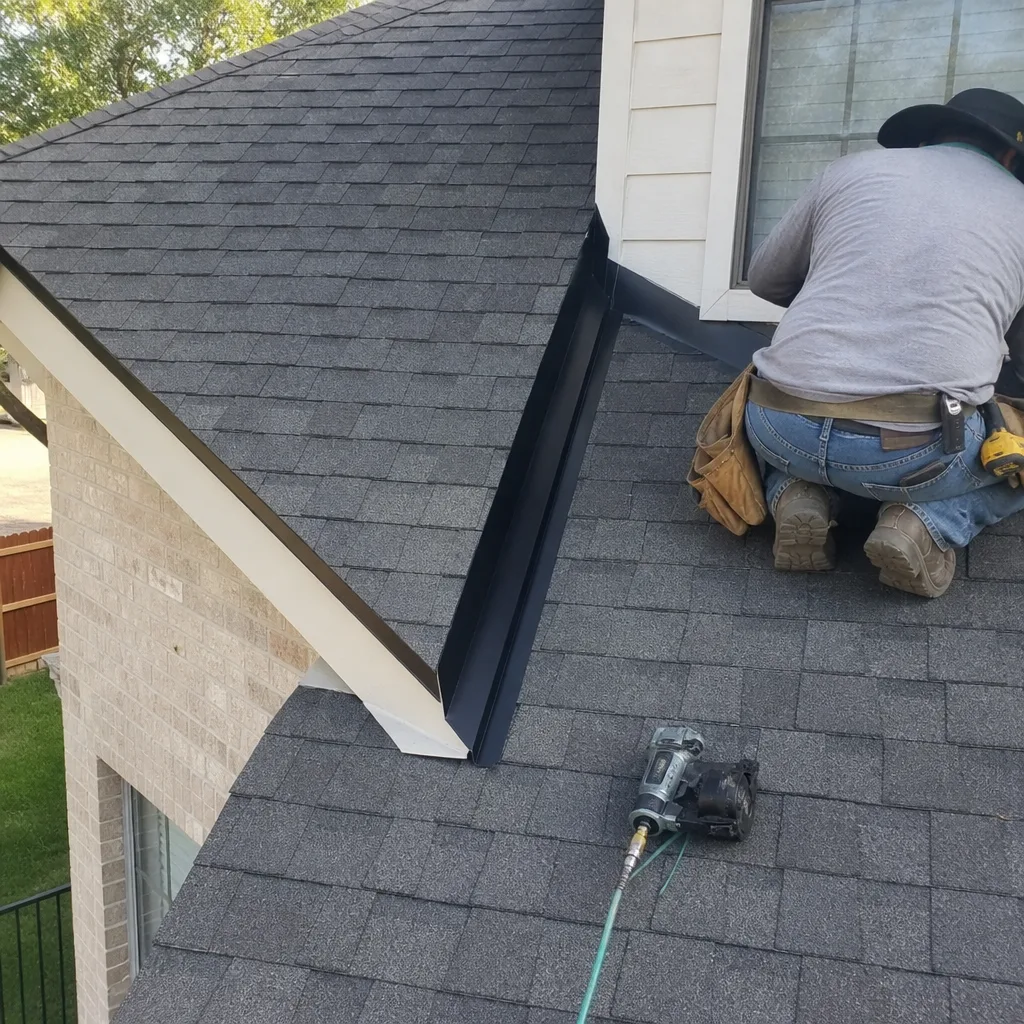 After
After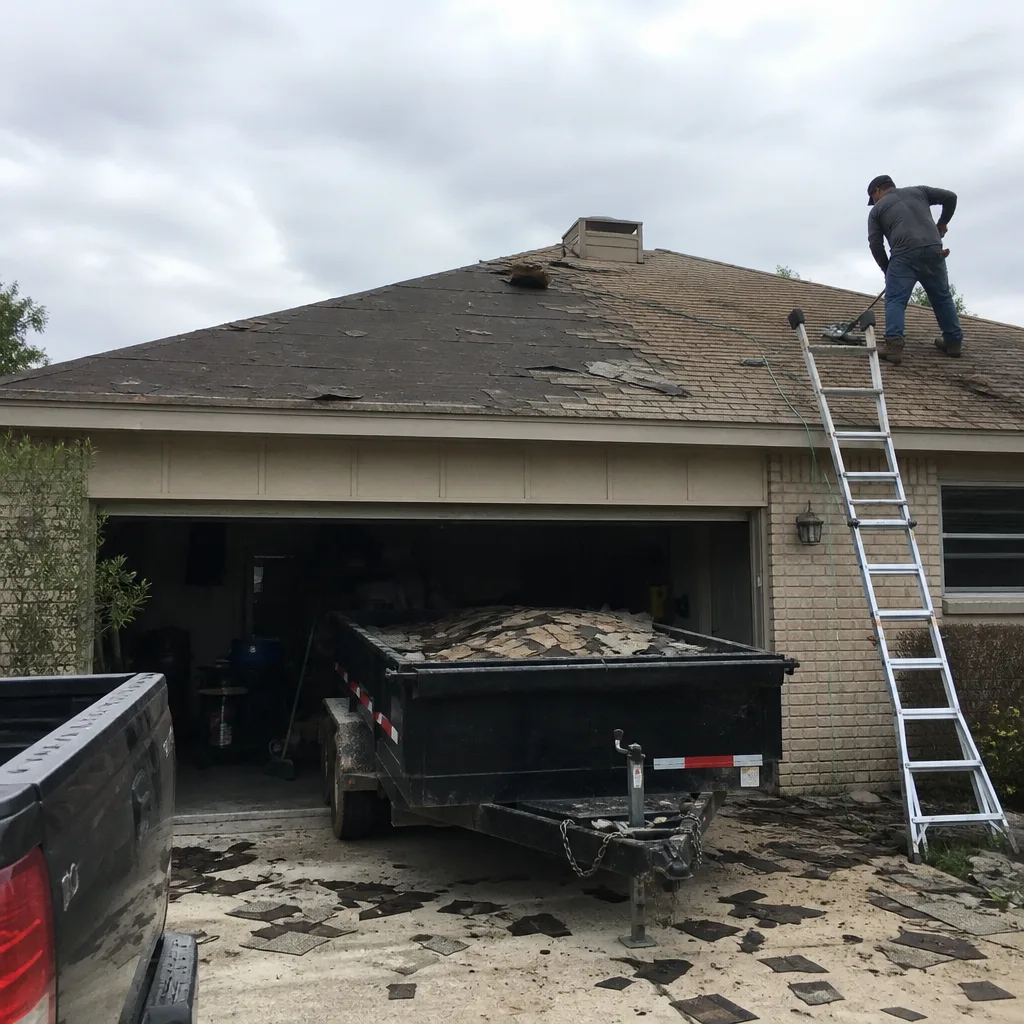 Before
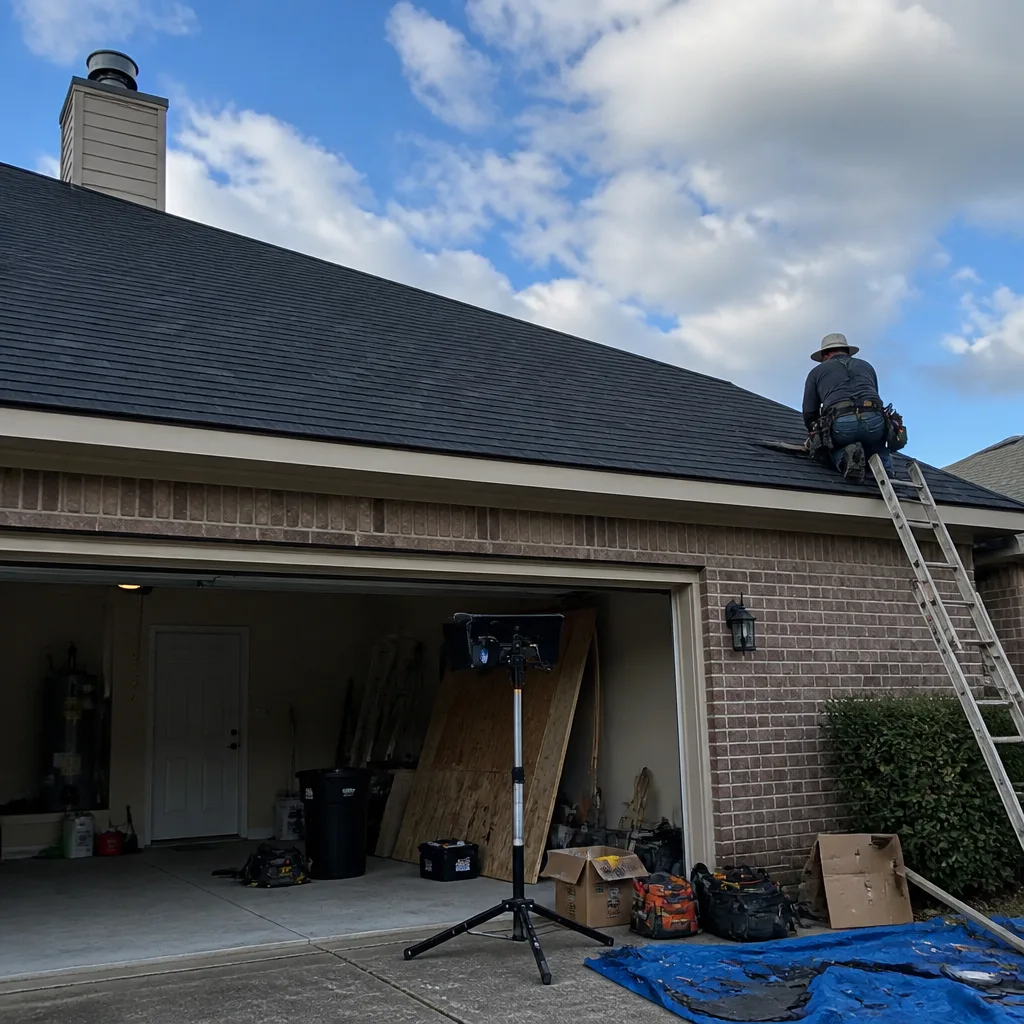 After
After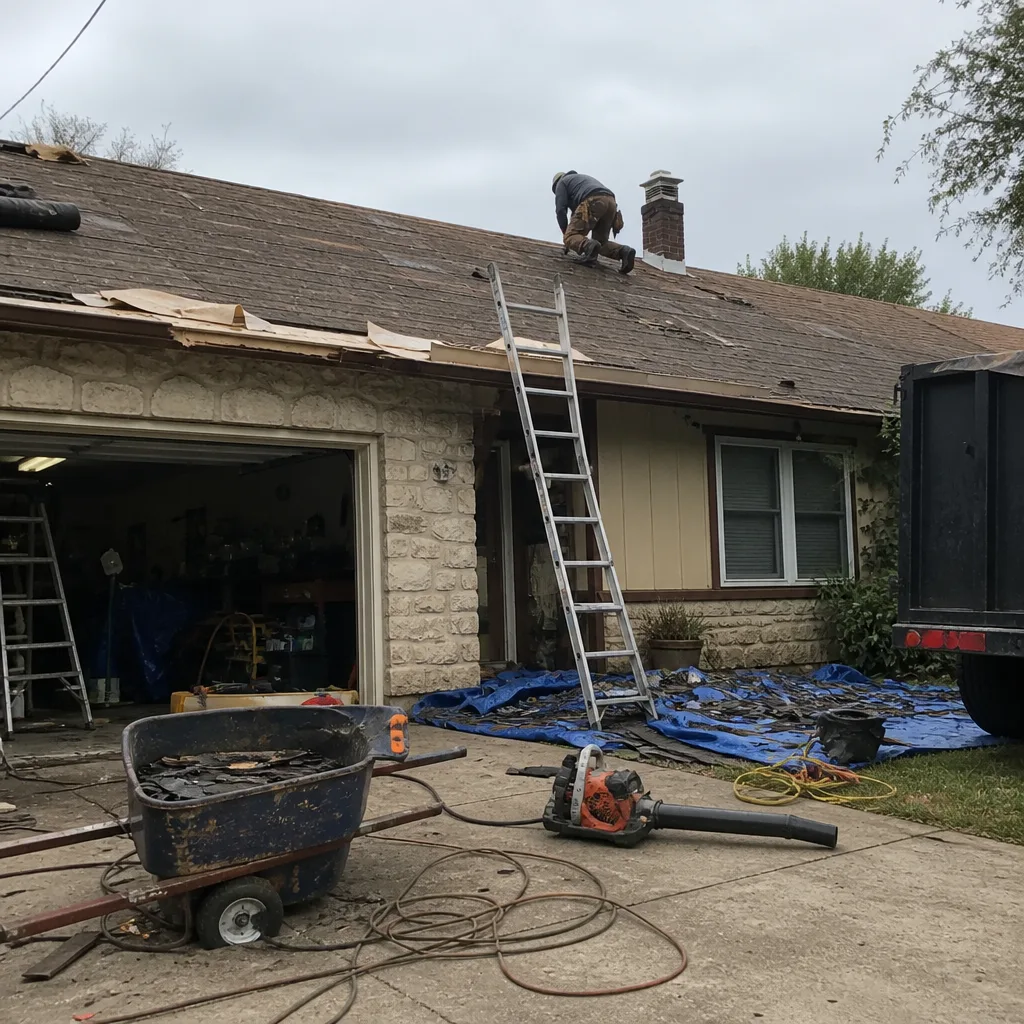 Before
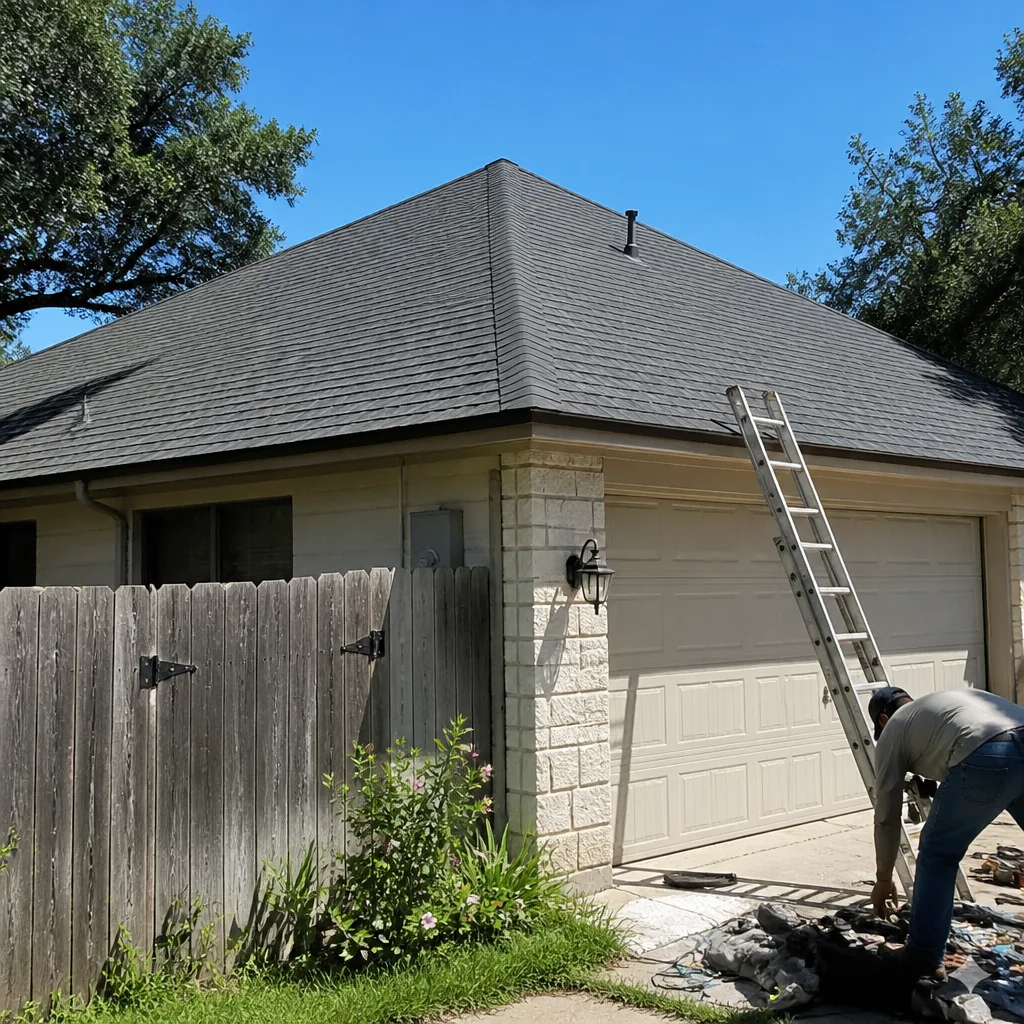 After
AfterReplacement Cost & What’s Included
In San Antonio, IKO flashing replacement costs vary by location and complexity, not by square footage. Here’s what we quote in real dollars:
| Flashing Location | Typical Installed Range | What Drives the Cost |
|---|---|---|
| Pipe boot / vent flashing | $350 – $550 | Access, existing boot condition, surface |
| Sidewall / headwall flashing | $500 – $900 | Linear feet, whether stucco or siding must be cut |
| Chimney flashing (full replacement) | $700 – $1,200 | Chimney size, counterflashing in masonry, sealant |
| Valley flashing replacement | $600 – $1,100 | Valley length, tear-out of old material, shingle reset |
Every quote includes the flashing material, removal of the failed part, inspection of the decking underneath, any minor decking repair within reason, and re-securing the surrounding shingles. If we find significant decking rot, we show you a photo, explain what we found, and give you a written price for the additional work before we do anything. The 365-Day Done Right Promise covers every IKO flashing replacement, which means if the repair fails within a year, we come back and make it right at no charge. That’s in writing, every time.
DIY or Call Us?
Flashing replacement is where confident DIYers get into real trouble, and the trouble is expensive. You can safely check a few things yourself: look for lifted flashing from the ground with binoculars, check the attic for daylight during the day, and inspect for water stains after rain. Those observations help you decide when to call. What you shouldn’t do is climb up and try to reseal flashing with caulk or tar. Caulk is a temporary patch that traps moisture behind the flashing and rots the decking faster, and working on a sloped San Antonio roof without the right safety equipment is a fall risk that no tube of sealant is worth.
If you see signs of flashing failure, the right move is a written estimate from someone who will identify the exact IKO profile, price it, and guarantee the work. Call (254) 276-4369 and we’ll send a background-checked technician whose name and photo you’ll have before he arrives. A roof shouldn’t be something you worry about, that’s our job.
FAQs
In San Antonio’s climate, expect 15 to 20 years from galvanized steel flashing and 20 to 30 from properly installed aluminum or polymer flashing. The heat and UV exposure degrade metal finishes faster than northern climates, and thermal cycling loosens fasteners over time. If your roof is past the 15-year mark and you’re seeing granule loss or stains, the flashing is likely near the end of its service life. Call (254) 276-4369 for an assessment, and we’ll give you a straight answer without pushing a replacement you don’t need.
In most cases, failed IKO flashing should be replaced, not patched, because sealant-only repairs trap moisture behind the flashing and accelerate rot. There are limited situations where a single loose fastener or a small gap can be mechanically re-secured and sealed, but those are stopgaps measured in months, not years. For a lasting fix, we remove the failed flashing and install a matched replacement. Call (254) 276-4369 and we’ll tell you honestly whether your flashing needs a full replacement or a targeted repair.
Most single-flashing replacements, such as a pipe boot or a sidewall section, take 2 to 4 hours from setup to cleanup. A full chimney flashing replacement can take most of a day because the old material has to be carefully removed and new counterflashing set into the masonry. We’ll give you a clear time estimate with your written quote, and we schedule the work so you know exactly when we’ll be there.
Yes, our trucks carry the common IKO-compatible flashing profiles for San Antonio roofs, including pipe boots, sidewall flashing, and chimney flashing in the materials and gauges that match IKO’s architectural shingle systems. If we need a specialized piece for an unusual configuration, we source it the same day from local suppliers. Call (254) 276-4369 for a free estimate, and we’ll tell you what we need to bring before we arrive.
Written by Grant Whitlock, Owner, Mercer Roofing Co San Antonio at Mercer Roofing Co San Antonio, serving San Antonio and nearby areas.