
Last updated October 17, 2026
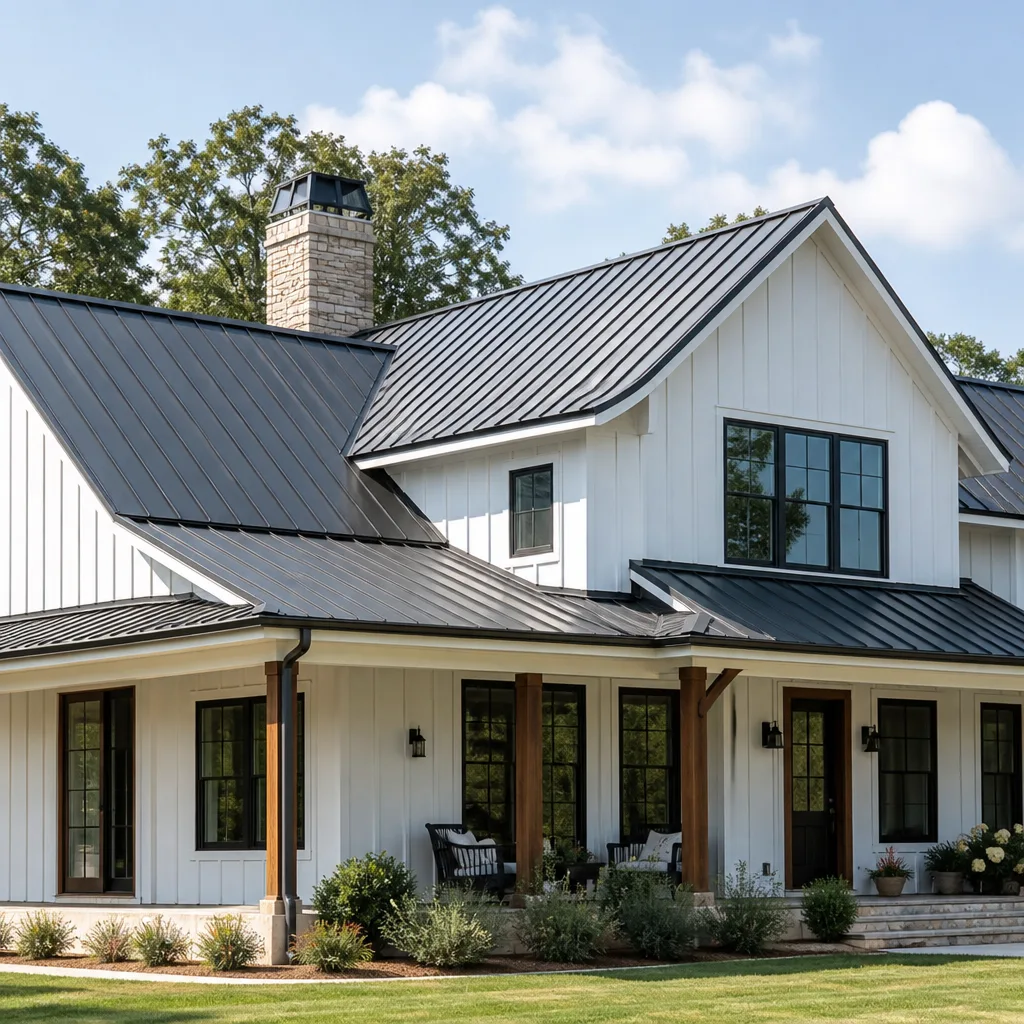 Metal roofing
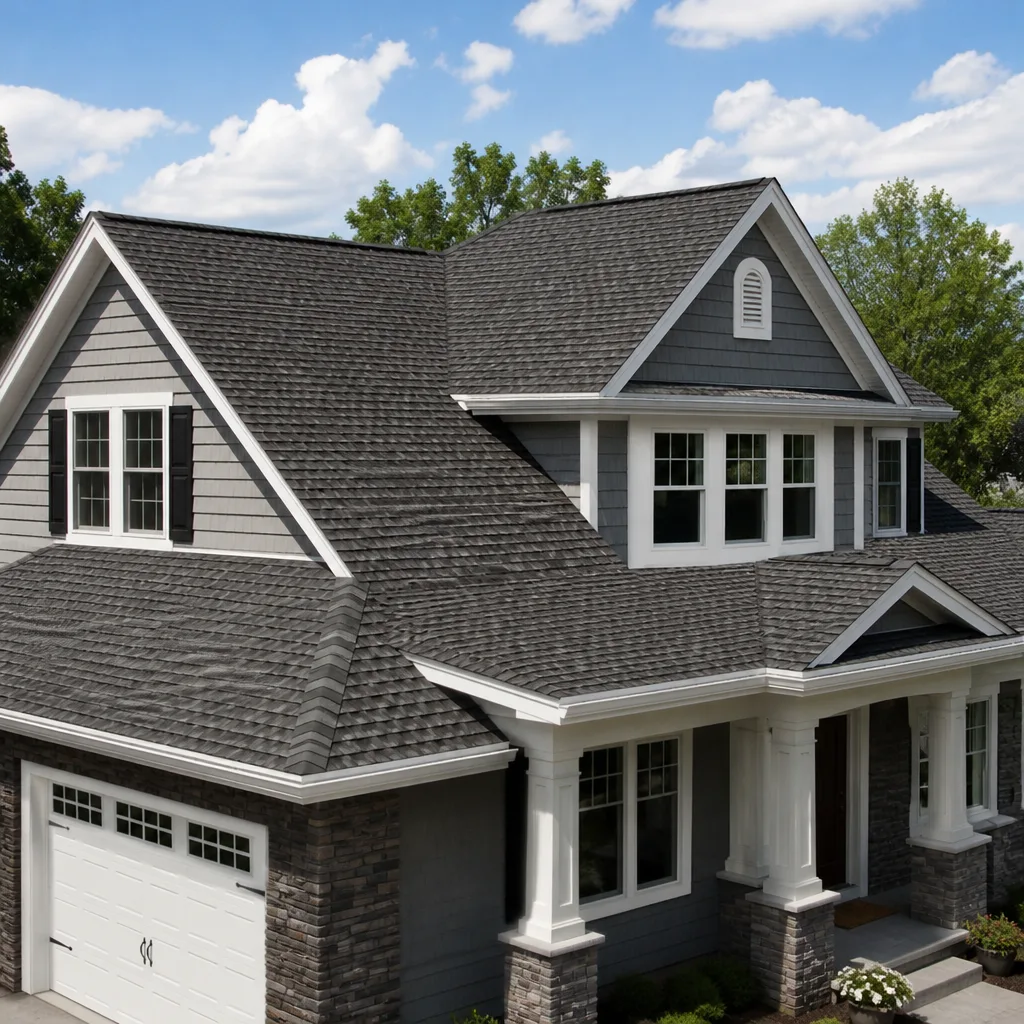 Architectural shingles
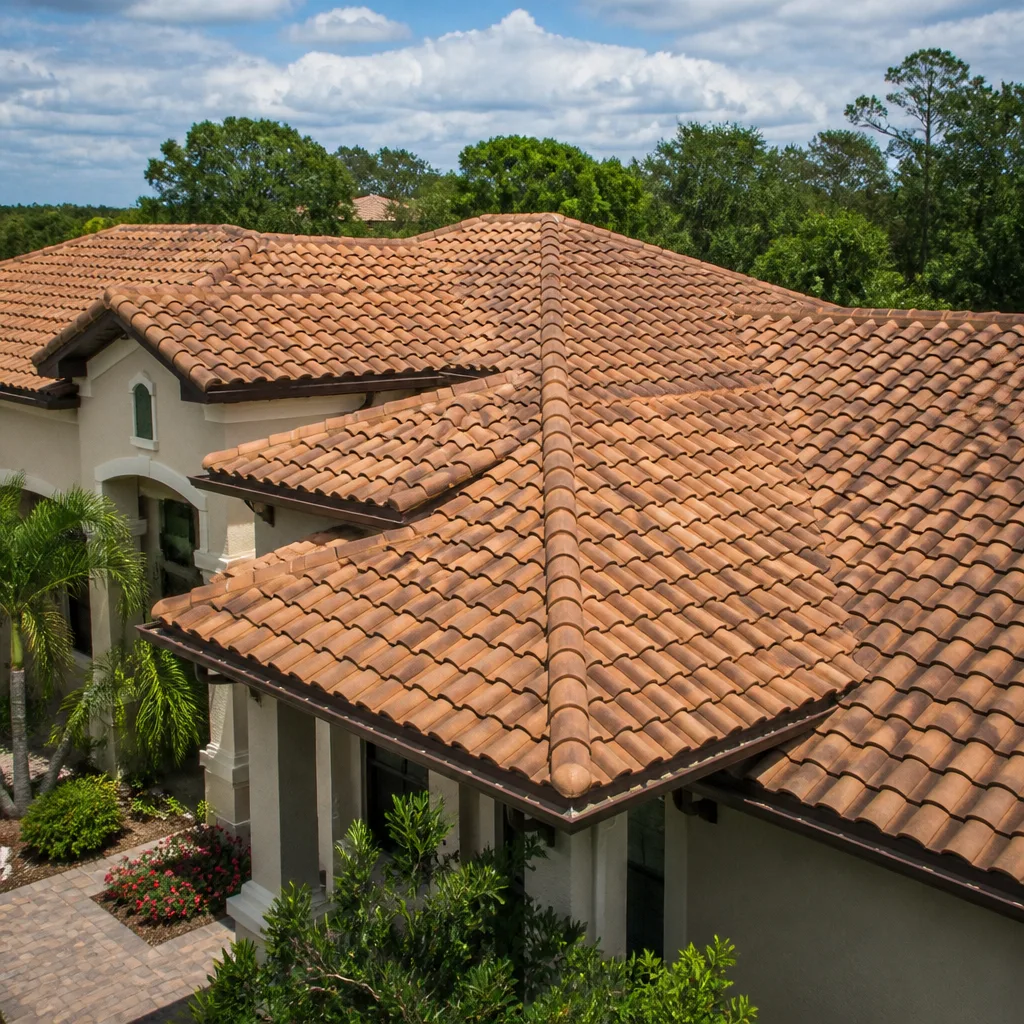 Tile roofing
 GAF
GAF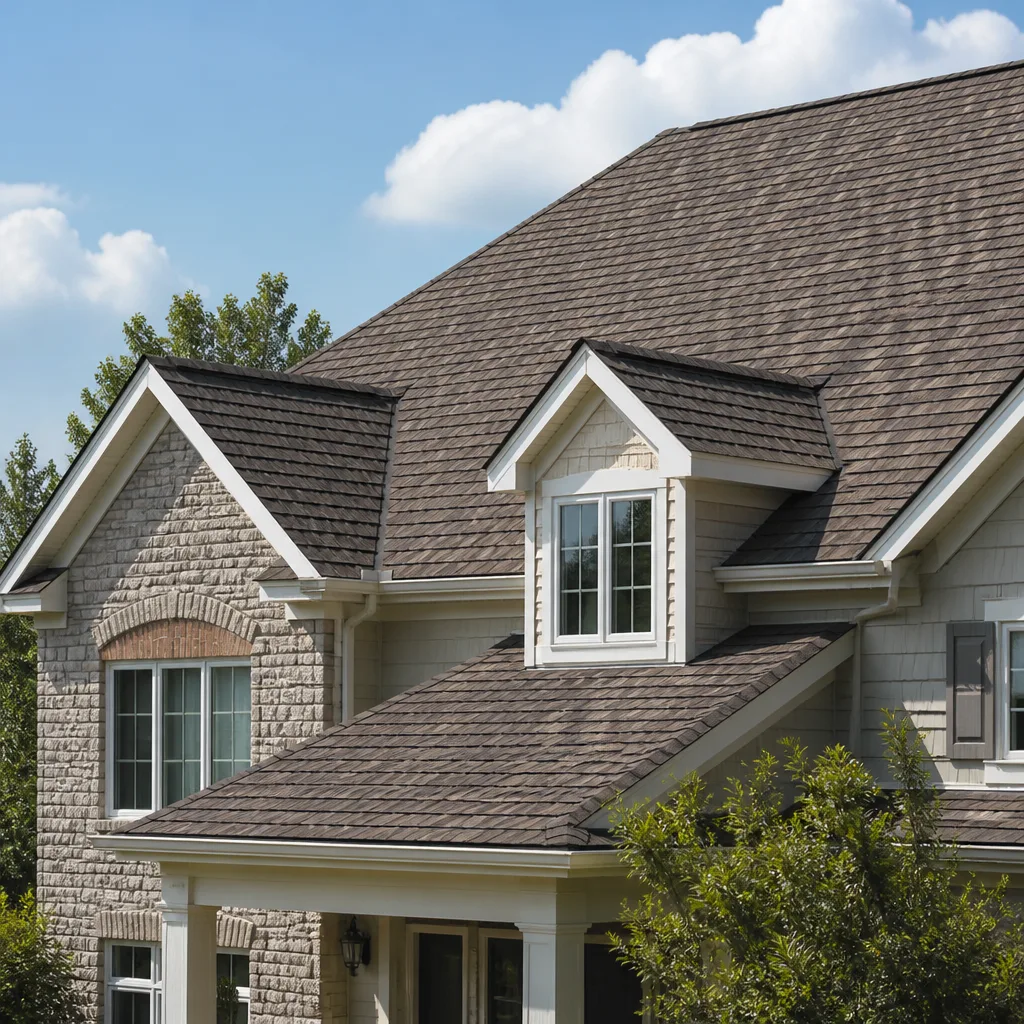 Owens Corning
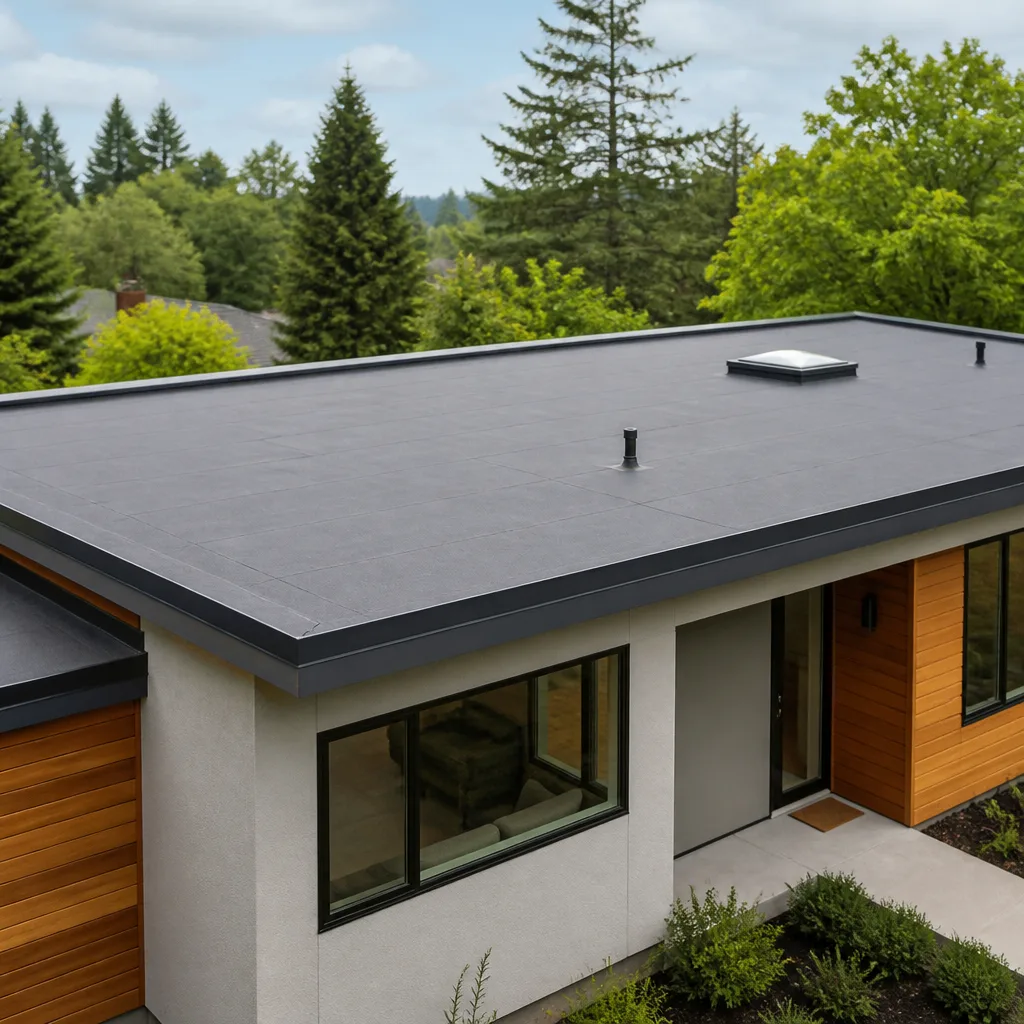 Flat & low-slope
Free roof inspection with deck photos before we talk money - GAF and Owens Corning certified installation
Roofing Cost Breakdown: The San Antonio Homeowner’s Reference for 2026
The average San Antonio roofing quote in 2025 ranged from $8,400 to $19,200 for a 2,000 sq ft home with identical scope. That’s not a typo. Same house, same shingle grade, same tear-off, and two contractors eleven thousand dollars apart. The gap has almost nothing to do with material quality and almost everything to do with what contractors choose to itemize versus bury. This guide builds a standard cost anatomy for San Antonio roofs so you can read any quote on equal terms, line by line, and for more guides & resources on protecting your home, visit our blog. By the end, you’ll know exactly which numbers matter, which add-ons earn their price, and how to compare three bids without needing a contractor to translate them for you.
Styles & brands we work with
Quick Answer
A full roof replacement on a standard 2,000 sq ft San Antonio home in 2026 typically runs $9,500 to $16,500 for architectural asphalt shingles, with tear-off, disposal, and basic decking repair included. That’s $475 to $825 per roofing square (100 sq ft). Repairs run $350 to $1,200 for most jobs, depending on what’s actually failing. The single biggest factor in quote variance isn’t the shingle, it’s whether the contractor itemizes decking, underlayment, and flashing upfront or waits until they’re on your roof.
Table of Contents
- The Line-by-Line Cost Anatomy of a San Antonio Roof
- Shingle Grade Tiers: What Each Level Actually Costs in 2026
- Insurance-Funded vs. Out-of-Pocket: Why the Same Roof Has Two Prices
- Three Add-Ons Worth Paying For, Two That Rarely Justify the Cost
- What a Workmanship Warranty Actually Costs a Contractor to Back
- How to Build an Apples-to-Apples Bid Comparison
- San Antonio-Specific Factors That Move the Price
- Common Mistakes to Avoid
- When to Call a Professional
- Frequently Asked Questions
- The Bottom Line
The Line-by-Line Cost Anatomy of a San Antonio Roof
Here’s the thing most roofers won’t tell you plainly: every roof quote, whether it’s one page or twelve, is built from the same eight or nine line items. The difference between a $9,000 quote and a $16,000 quote is almost never “better materials.” It’s which line items are listed at all. When a contractor leaves decking off the estimate and then finds rotted wood once the shingles come up, that’s not a surprise, that’s a strategy. Here’s what a standard 2,000 sq ft gable roof in San Antonio should actually cost, line by line, in 2026.
| Line Item | Typical Range (2,000 sq ft) | What It Includes |
|---|---|---|
| Tear-off & disposal | $1,400 – $2,600 | Removing old shingles, hauling to landfill, dump fees. Single layer. Add $600 – $900 if you have two layers. |
| Decking repair/replacement | $0 – $2,400 | Replacing rotted plywood or OSB sheets. Contractors typically quote per sheet replaced, $65 – $95 per 4×8 sheet. SA homes with older decking average 4 – 8 sheets replaced. |
| Underlayment | $700 – $1,200 | Synthetic or felt barrier between decking and shingles. Synthetic is standard on new roofs in SA due to humidity and hail seasons. |
| Architectural shingles (material) | $2,800 – $5,200 | For 20 squares. Varies by brand and tier. See shingle tier section below. |
| Shingle installation (labor) | $2,000 – $3,800 | Typically $100 – $190 per square. Crews, nailing, pattern work. |
| Flashing (all locations) | $300 – $900 | Valleys, chimneys, skylights, wall intersections. Galvanized or aluminum. This is the #1 leak point on SA homes. Never let a contractor skip or “reuse” flashing. |
| Ridge cap & vents | $300 – $750 | Ridge cap shingles along the peak plus venting. SA attic ventilation matters; see roof installation in San Antonio for why ventilation extends roof life here. |
| Drip edge | $250 – $500 | Metal trim along eaves and rakes that directs water into gutters. Required by modern code; some older SA homes still lack it. |
| Permits & admin | $150 – $400 | City of San Antonio permit fees and inspection scheduling. A contractor who “waives” permits is saving you a few hundred dollars and creating a legal headache you’ll own. |
Those numbers add up to roughly $7,900 to $17,750, which is why the “standard” range sits where it does. If a quote comes in below $7,500 for this scope, something is missing: permits, underlayment, disposal, or the contractor pays crews under the table. See Roofing Permits, Codes & Inspections in TX: What You Need to Know to understand what’s legally required. If it comes in above $18,000, you’re likely buying a premium brand, premium underlayment, or you’re financing someone’s marketing budget. In our experience across San Antonio, roofs in Alamo Heights and Terrell Hills tend to run at the top of the range because the homes are older, the decking is more likely to be compromised, and the city’s preservation expectations are higher. Newer construction in Stone Oak or along the 1604 corridor runs lower because the decking is still solid.
Shingle Grade Tiers: What Each Level Actually Costs in 2026
Shingle pricing is the easiest part of a quote to understand because it’s the one line item homeowners can research themselves. The material cost per roofing square (100 sq ft) in San Antonio in 2026 breaks into three tiers:
- Builder-grade 3-tab asphalt (entry tier): $45 – $70 per square in material cost. Total installed cost typically runs $350 – $450 per square. 15 – 18 year realistic lifespan in the SA climate. Fewer and fewer contractors even offer these; when you see them, they’re usually the bottom-tier quote on a bid sheet.
- Architectural/dimensional asphalt (mid tier): $75 – $110 per square in material. Installed at $475 – $650 per square. This is what most of our installed roofs use. 25 – 30 year realistic lifespan with proper attic ventilation. Brands in this tier include GAF Timberline lines, CertainTeed Landmark, Owens Corning Duration, and Tamko Heritage. These are manufacturer-recognized shingle brands, and they’re what we install at Mercer Roofing Co San Antonio.
- Premium designer/impact-resistant (top tier): $130 – $220 per square in material. Installed at $700 – $950 per square. This is where you find Class 4 impact-resistant options from brands like Boral and certain GAF and CertainTeed specialty lines. In San Antonio, where hailstorms roll through with regularity, these can lower your homeowner’s insurance premium. We’ve seen annual premium reductions of $150 – $400 on homes with Class 4 shingles in the Stone Oak and Cibolo areas. That’s worth factoring into your payback math.
The brand matters less than most people think. A GAF architectural shingle and a Tamko architectural shingle in the same weight class will perform similarly on a San Antonio roof. What actually differentiates them is the contractor’s installation quality and whether the manufacturer’s installation guidelines are followed to the letter. Nailing pattern, overlap, and ventilation matter more for roof lifespan than the name on the wrapper. If you want a deeper dive on what makes an installation last, our roof repair in San Antonio guide covers the common installation failures we find on existing roofs.
Insurance-Funded vs. Out-of-Pocket: Why the Same Roof Has Two Prices
Here’s a piece of information that almost no guide covers and every San Antonio homeowner dealing with storm damage needs: insurance-funded replacements are priced differently from out-of-pocket jobs, and it’s not because contractors are padding insurance claims. It’s because insurance pricing has a completely different structure.
When you pay out of pocket, you’re negotiating with the contractor directly. The price is cash, the scope is what you agree to, and the contractor’s overhead is built into one number. When insurance pays, the pricing is driven by two documents: the adjuster’s estimate (written in a software called Xactimate that assigns standardized line-item prices for San Antonio’s zip codes) and the contractor’s estimate. The adjuster’s numbers are based on “actual cash value” unless you have replacement cost coverage. The gap between actual cash value and replacement cost is depreciation, and on a 12-year-old roof, that depreciation can carve 40 – 60% off the payout.
Here’s what this means for you in practice:
- The contractor’s itemized estimate is your negotiation tool. When the adjuster assigns $65 per square for shingle installation and your contractor’s written estimate shows the actual San Antonio labor market rate is $110 per square, you need that discrepancy in writing to dispute it. Insurance companies don’t pay based on what a contractor says verbally. They pay based on documented scope and documented market pricing.
- Code upgrades matter. If your roof predates current San Antonio building code, your policy may include Ordinance or Law coverage. That can cover the cost of bringing the roof to code, which includes drip edge and possibly upgraded underlayment. Most adjusters won’t volunteer this. It’s worth asking.
- Supplement claims are real and legitimate. If the adjuster’s initial estimate misses decking replacement, new pipe boots, or code-required ice and water shield in valleys, your contractor can file a supplement with photos and documentation. Supplement claims are how contractors close the gap between the initial adjustment and the actual cost of the roof. They are not a scam, despite what some insurers imply. They are the mechanism built into the claims process for exactly this purpose.
One more thing that matters: it’s your roof, and you choose the contractor. Texas law protects you from being forced to use an insurer’s “preferred” contractor. In our experience working with San Antonio homeowners, having a contractor who understands how to document supplements and communicate with adjusters in their language is worth more than any shingle upgrade. It’s a core part of what we do at Mercer Roofing Co San Antonio home when we work with insurance claims.
Three Add-Ons Worth Paying For, Two That Rarely Justify the Cost
When a San Antonio contractor presents add-ons at signing, it’s easy to dismiss them as upsell. Some are. Three are genuinely worth the money, and two rarely are. Here’s the honest breakdown from our experience standing on thousands of San Antonio roofs.
Worth paying for:
- Synthetic underlayment ($0 – $500 upgrade over felt). Felt (#15 or #30) tears during installation, wrinkles in heat, and absorbs moisture. San Antonio’s combination of intense summer sun and sudden downpours is exactly the climate where synthetic outperforms. It’s a one-time cost equal to a nice dinner out, and it protects the decking for the life of the roof.
- Pipe boot replacement ($15 – $40 each, most homes have 3 – 8). The rubber collar around your plumbing vent pipes wears out faster than shingles do. If a contractor is reusing your old boots on a new roof, they’re installing known future leaks. Replacing them while the roof is open is the single cheapest longevity move on the whole job.
- Ridge vent upgrade ($200 – $500 over static vents). San Antonio attics cook in August. Ridge vents pull hot air out along the entire peak continuously. Paired with proper soffit intake, this drops attic temperatures 20 – 30 degrees in summer, which extends shingle life and cuts cooling costs. It’s not glamorous. It works.
Rarely worth the cost:
- “Lifetime” sealant applications ($300 – $650). Most flat surfaces don’t need a separate sealant coat if the flashing and underlayment are done correctly in the first place. If a contractor is pushing this hard, ask which specific locations on your roof they’re worried about and why the primary materials won’t hold. The answer is usually sales fiction.
- Decorative ridge cap upgrades ($400 – $900). Bulb-shaped or heavily sculpted ridge caps are cosmetic. They don’t improve wind resistance or water shedding. If you love the look and have the budget, buy them. Just know that no inspector, insurance adjuster, or future buyer is paying for that upgrade at resale.
The pattern here is simple: items that protect against water, heat, and time are worth paying for. Items that only change how the roof looks from the street are not.
What a Workmanship Warranty Actually Costs a Contractor to Back
You’ll hear the phrase “workmanship warranty” on nearly every San Antonio roof quote, but almost no contractor will explain what it costs them to offer one, or what the warranty is actually worth to you. Here’s the math from our side of the table.
A two-year verbal promise costs a contractor nothing. It’s not written, it’s not tracked, and if the contractor is out of business or simply doesn’t answer your call, there’s nothing to enforce. A five-year written guarantee, by contrast, forces the contractor to maintain a call-back log, allocate labor capacity for warranty calls, and absorb the cost of return visits. For a mid-size roofing company in San Antonio, backing a five-year written guarantee adds roughly $120 – $180 per job in real overhead when you spread the cost of warranty visits across all completed jobs.
What does that mean for you? A contractor offering a five-year written guarantee is charging $500 – $800 more than a two-year verbal promise across the life of the warrantied relationship. That premium is legitimate. You are buying the documented obligation to return and make things right. If a company has been roofing in San Antonio under the same ownership for 10 or 20 years, their five-year guarantee is a real financial instrument. A two-year verbal promise from someone who showed up to your door yesterday is worth the paper it isn’t printed on.
This is exactly where our 365-Day Done Right Promise fits into the picture. It’s not a warranty that sits in a drawer. It’s a written guarantee on every repair we make: if the work is not right within 365 days, Mercer makes it right. If a repair fails, the second visit is free. We’re a roofing company in San Antonio that puts that in writing before any work starts, because the person answering the door deserves proof of what they’re paying for. Grant Whitlock has run Mercer Roofing Co San Antonio under these standards since 2000, and we’ve never changed the policy.
How to Build an Apples-to-Apples Bid Comparison
The most common mistake we see in San Antonio is homeowners comparing three quotes that aren’t actually describing the same roof. One includes decking, one doesn’t. One includes disposal, one buries it. One uses architectural shingles from GAF, one uses 3-tab from a brand you’ve never heard of. They’re not the same roof anywhere except square footage. Here’s the fix: send each contractor the same scope request, with specific line items, before they visit. Then compare only those line items.
Here are the column headers to request on every quote:
- Shingle brand and exact product line (not “architectural,” the actual model: “GAF Timberline HDZ” or “CertainTeed Landmark Pro”).
- Number of roofing squares (not square feet; squares are how the trade bids).
- Material cost per square (separate from labor).
- Labor cost per square (separate from material).
- Tear-off and disposal (with number of existing layers).
- Decking replacement (per-sheet price, with a note on how many sheets they estimate).
- Underlayment type and manufacturer (synthetic brand or felt grade).
- Flashing locations and material (list each: valleys, chimney, skylight, wall transitions).
- Ridge cap and ventilation (type of vent, linear feet of ridge cap).
- Permits (who pulls them, who pays for them).
- Workmanship warranty (written, in years, with a named point of contact for claims).
Ask for this before you meet anyone at your door. A contractor who can’t or won’t itemize a line on a written estimate is showing you exactly how they’ll handle cost surprises after tear-off. That’s the whole game.
San Antonio-Specific Factors That Move the Price
Roofing costs don’t exist in a vacuum. Here are the local factors that genuinely change what you’ll pay in San Antonio in 2026. For a complete maintenance calendar, see Seasonal Roofing Care for San Antonio: Year-Round Homeowner’s Guide.
- The hail belt. San Antonio sits in a hail corridor that runs through central Texas. Homes in the northern suburbs (Stone Oak, Timberwood Park, Hollywood Park, and along 281 north of 1604) file more hail claims than homes south of downtown. This affects two things: insurance premiums, and the availability of roofing crews after a hail event. When a major storm hits, labor rates jump 15 – 30% for six to twelve months because every crew in the region is booked.
- Decking condition on older homes. Houses built before 1975 in neighborhoods like Olmos Park, Monte Vista, and Tobin Hill frequently have 1×6 plank decking instead of plywood. That plank decking is often still solid, but when it isn’t, replacement is pricier because matching vintage material takes more labor. Budget 10 – 20% higher for decking unknowns on pre-1975 construction.
- City of San Antonio permitting. The city requires a permit for roof replacement and charges a fee based on project valuation. Permits also mean an inspection. A roof that fails inspection has to be corrected before it can be signed off. That’s a feature, not a bug, but it does mean a contractor who routinely fails inspections will cost you time. Ask about their inspection pass rate.
- The August heat. Roofing crews in San Antonio in summer work shorter days, start at dawn, and lose productive hours to heat. Some contractors add a summer differential of 5 – 10% during peak heat months. If you can wait for October through March, the weather is kinder, and in our experience, the crews are fresher.
Common Mistakes to Avoid
- Comparing quotes by total price only. A $9,500 quote and a $14,000 quote can describe two different roofs. Compare line items, not bottom lines. The cheaper quote often has decking, underlayment, or flashing omissions that become invoices later.
- Accepting a verbal “it’s included.” If it’s not in writing, it doesn’t exist. In San Antonio, where turnover among roofing crews is constant, the estimator who promised ice and water shield in the valleys may be gone before installation starts. Written scope or nothing.
- Skipping the permit. An unpermitted roof replacement in San Antonio can flag your home during a future sale or refinance. The savings are a few hundred dollars, and the future headache is measured in thousands.
- Ignoring ventilation. A new roof installed over an under-ventilated attic will fail years early. San Antonio heat accelerates shingle aging. Ventilation work is the least glamorous part of the quote and the most likely to be cut by a contractor trimming price.
- Letting the adjuster set the scope without your contractor in the room. You’re entitled to have your contractor present at the adjuster’s inspection. The contractor’s job is to ask the questions the adjuster forgot. We do this regularly for our San Antonio customers, and it changes the final claim number more often than you’d think.
- Paying in full before the job starts. A deposit to lock in the schedule is normal, typically 10 – 30%. Paying everything upfront means you’ve given up your leverage. No reputable contractor in San Antonio requires full payment before a single nail is driven.
- Choosing a contractor without verifying local history. A company that’s been roofing in San Antonio under the same ownership for a decade or more has a verifiable record you can check. Court records, BBB files, and neighborhood referrals all tell a story. Read it before you sign.
When to Call a Professional
If you see shingles in the yard after a storm, water stains on a ceiling, or daylight through the attic boards, you’re past the point of casual inspection. Our Roofing Warning Signs: A San Antonio Homeowner’s Reference Guide covers what to watch for before damage escalates. Roof work at height, especially on a two-story San Antonio home, is genuinely dangerous, and the failure mode is catastrophic injury. Don’t climb up there. A trained professional with fall protection and proper tools can assess the damage safely.
Structural questions, insurance claim disputes, and any work involving decking replacement or flashing are all professional territory. If you’ve read this guide and want an itemized, written estimate for your specific roof, Mercer Roofing Co San Antonio offers free estimates in San Antonio. Call (254) 276-4369 and you’ll speak to a real person, any time of day. Grant Whitlock and our team will walk your roof, document what we find in writing, and explain every line item before you commit to anything.
Frequently Asked Questions
A full roof replacement on a standard 2,000 sq ft San Antonio home runs $9,500 to $16,500 for architectural asphalt shingles, including tear-off, disposal, and basic decking repair. That’s $475 to $825 per roofing square. Premium shingle systems with impact resistance and upgraded underlayment push the top end toward $19,000. Call (254) 276-4369 for a written, itemized estimate on your specific roof.
Quote variance comes from what contractors choose to itemize versus omit. Decking repair, underlayment type, flashing locations, and permit costs are the most commonly buried line items. A quote that includes all of them looks expensive next to one that includes none of them, even though the cheaper quote will grow once work starts. Request the itemized columns we outlined above and the variance shrinks dramatically.
Yes. We work directly with San Antonio homeowners and their insurance adjusters to document scope, file supplement claims when needed, and get roofs replaced at actual market cost. Our written itemized estimates are built to be read by an adjuster, which matters more than homeowners expect. The right documentation changes claim outcomes.
We install manufacturer-recognized shingle brands including GAF, CertainTeed, Owens Corning, IKO, Atlas, Tamko, and Boral. Our most common installs use architectural shingles from GAF, CertainTeed, and Tamko. Brand selection depends on your budget, your home’s pitch, and whether you want Class 4 impact resistance for insurance premium reduction.
Not if the estimate is written properly. Decking replacement is the one legitimate variable because rotted wood isn’t visible until the shingles come off. What you should demand is a per-sheet price in writing before work starts, so if decking is needed, the math is already agreed. A contractor who won’t put the per-sheet price in writing is planning to charge whatever the moment allows.
Most single-family roof replacements in San Antonio are completed in one to three days, weather permitting. Larger homes, steep pitches, and significant decking replacement extend that. The city inspection follows within a week or two. Call (254) 276-4369 for a timeline based on your specific home and the current crew schedule.
The Bottom Line
San Antonio roofing is full of numbers, but only a few of them genuinely matter: what’s itemized, what’s in writing, and who puts their name on the work. A roof is a 15 to 30 year purchase, and the difference between a good one and a bad one is rarely visible from the curb. It lives in the underlayment, the flashing, the ventilation, and the written guarantee that backs it. Ask for the line items. Ask for the warranty in writing. And if you want a roofing company that answers the phone, sends a photo-badged technician to your door, and puts every price in writing before work starts, call Mercer Roofing Co San Antonio at (254) 276-4369.
Written by Grant Whitlock, Owner at Mercer Roofing Co San Antonio, serving San Antonio since 2000.
See the difference
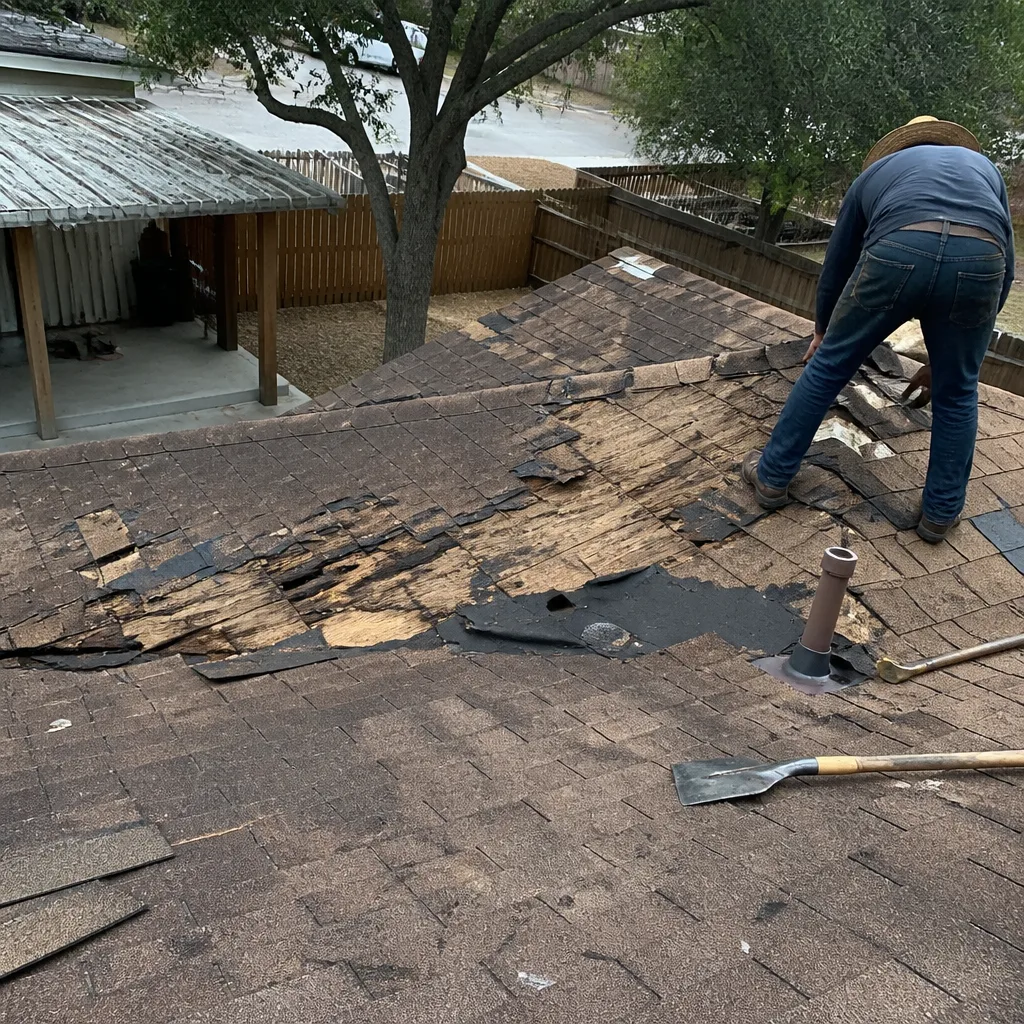 Before
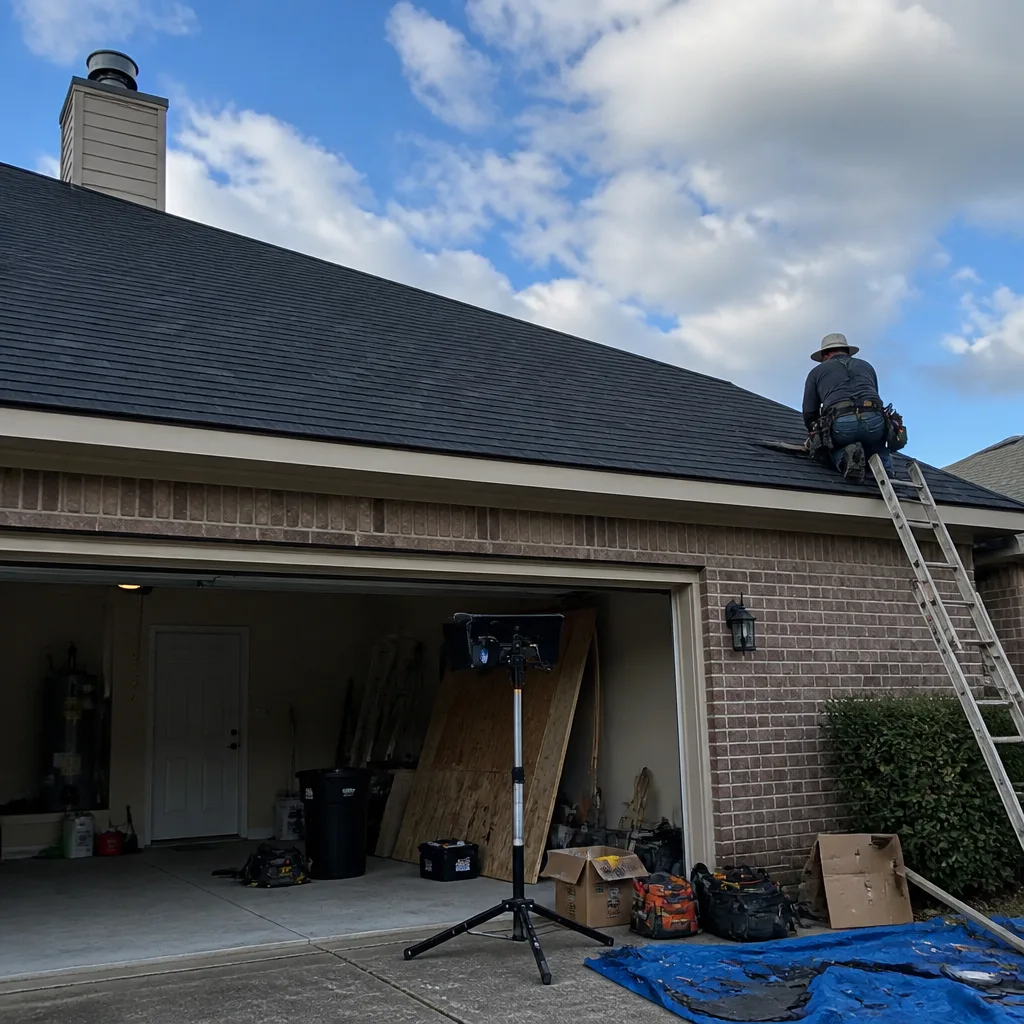
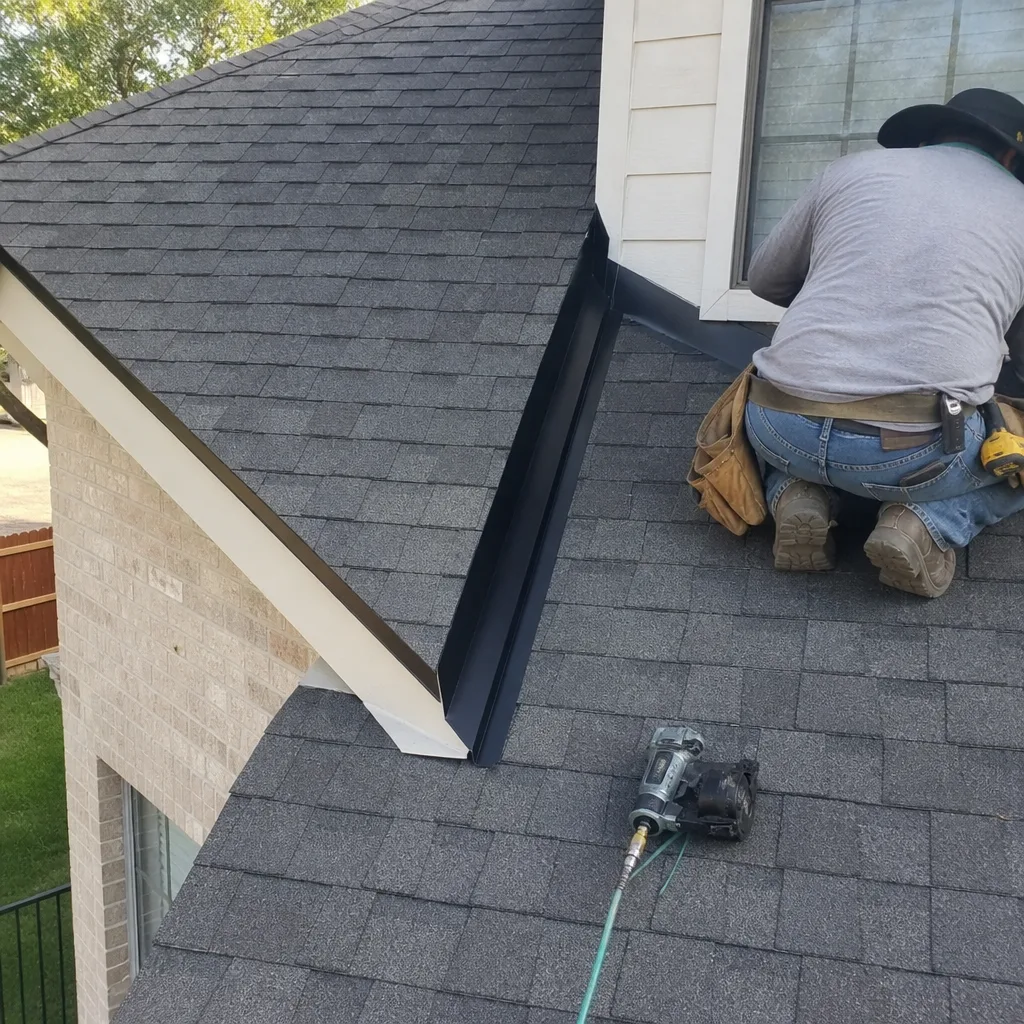 After
After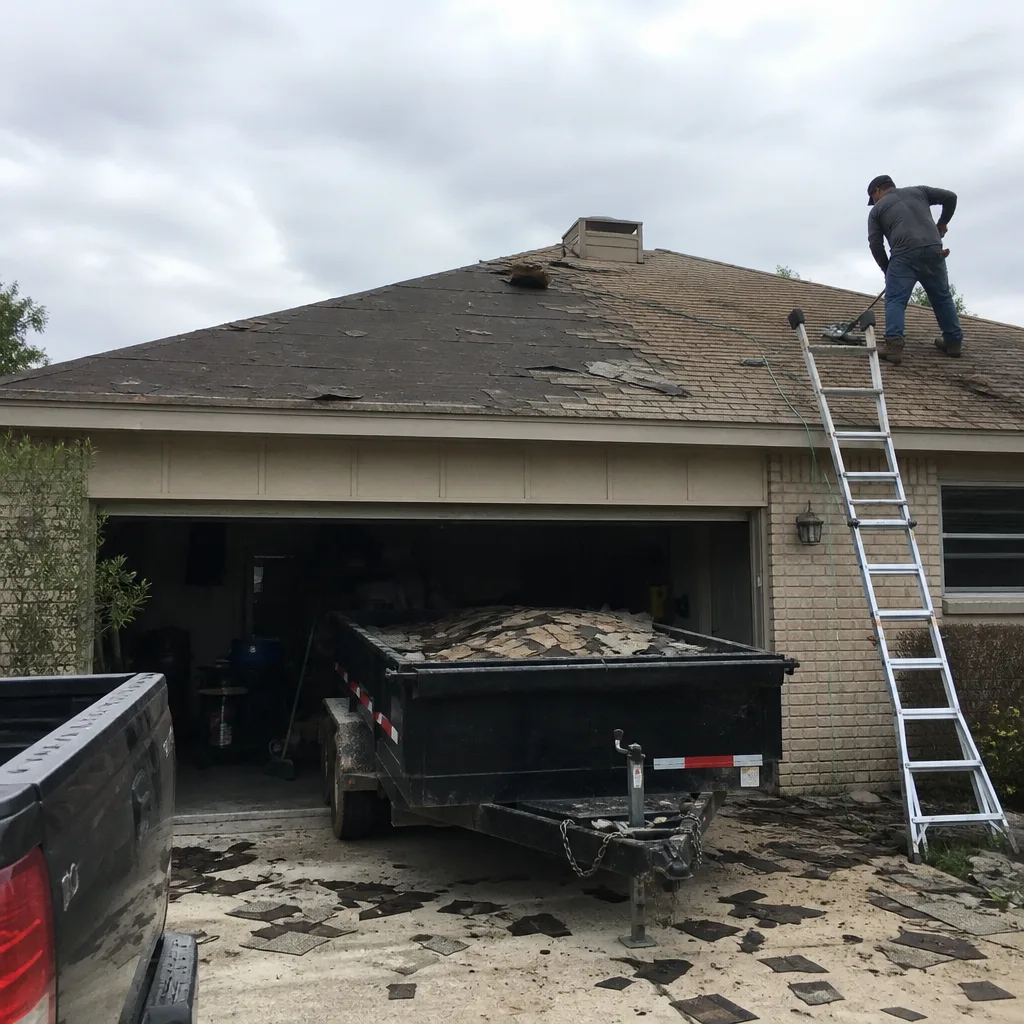 Before
 After
After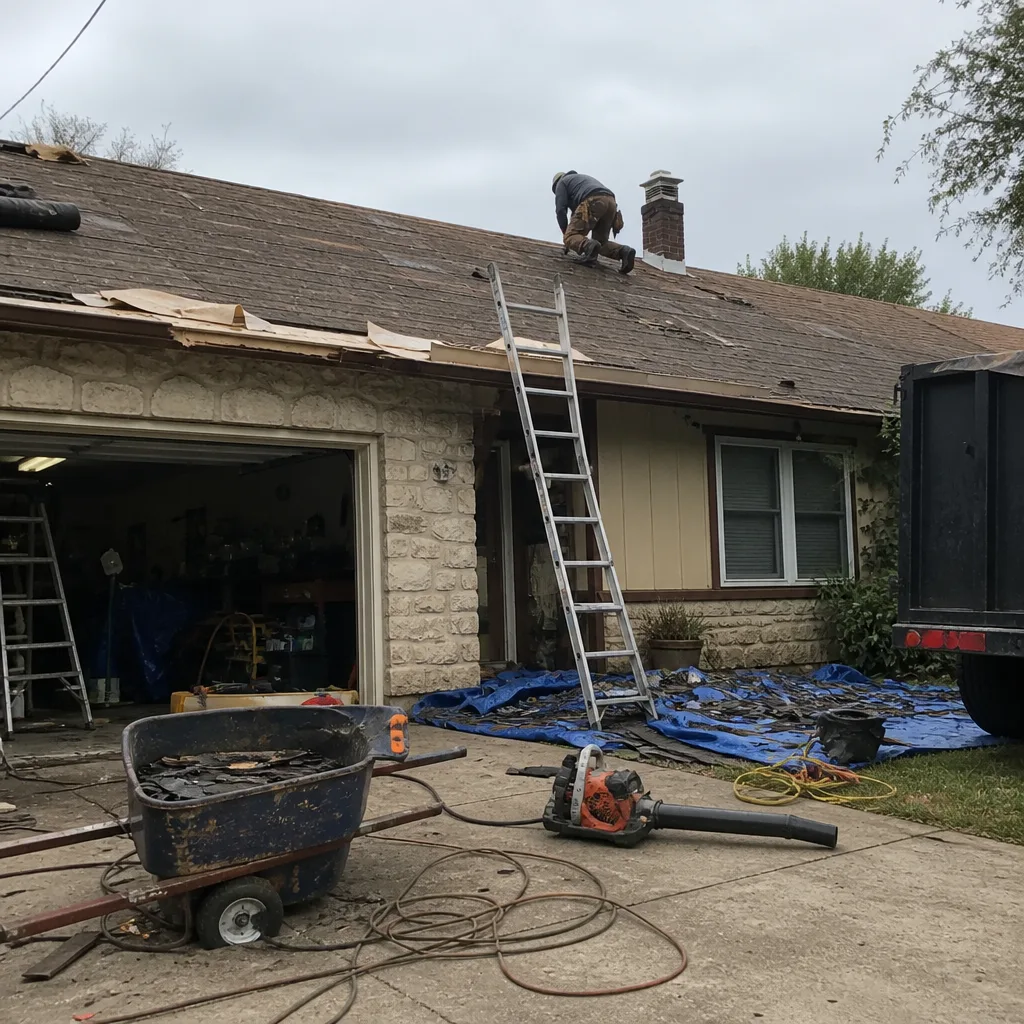 Before
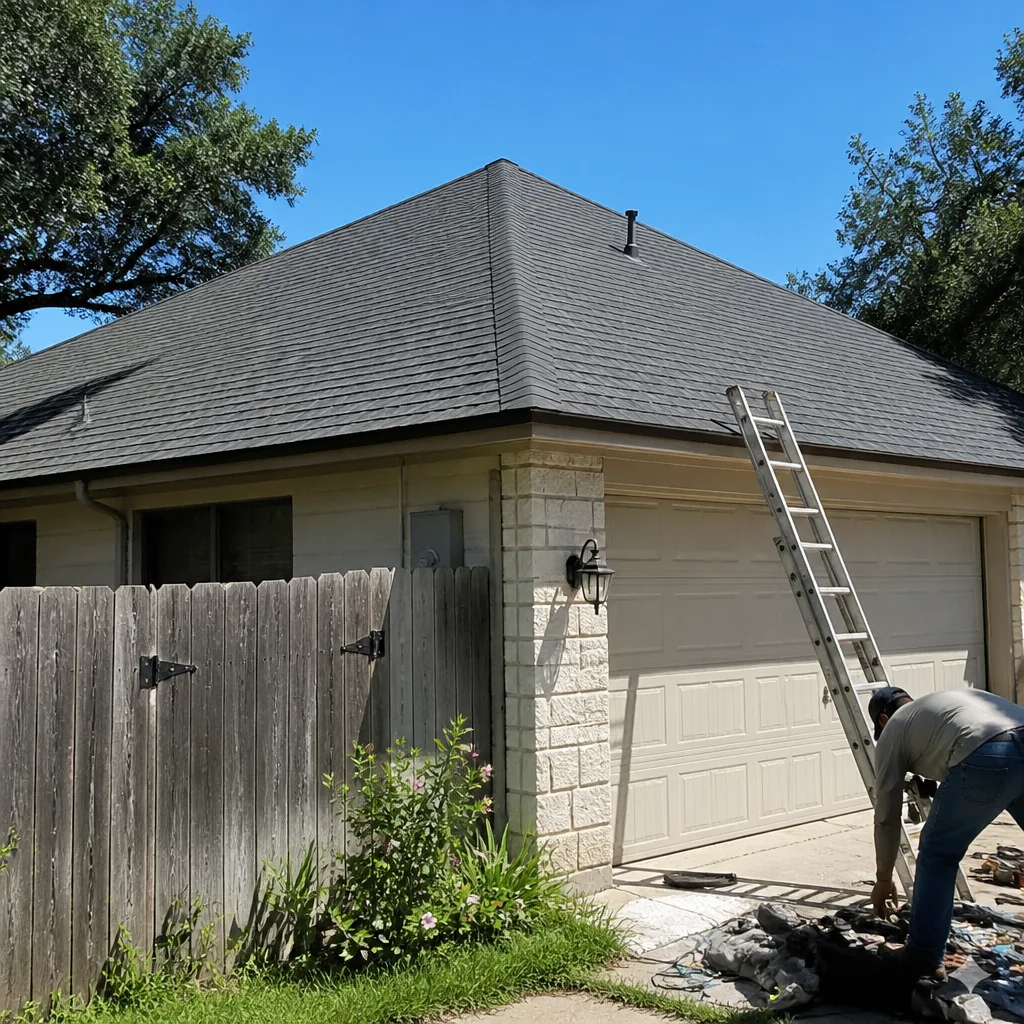 After
After