
Last updated October 17, 2026
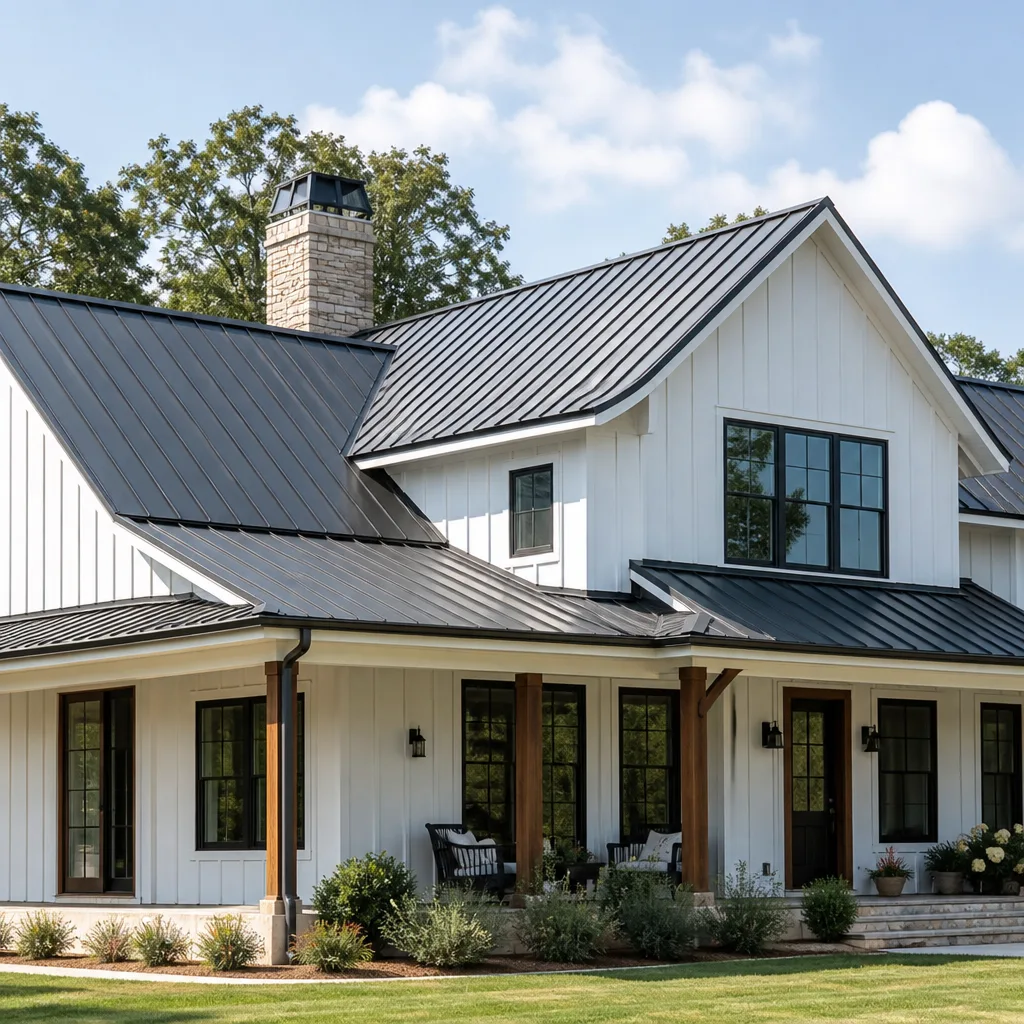 Metal roofing
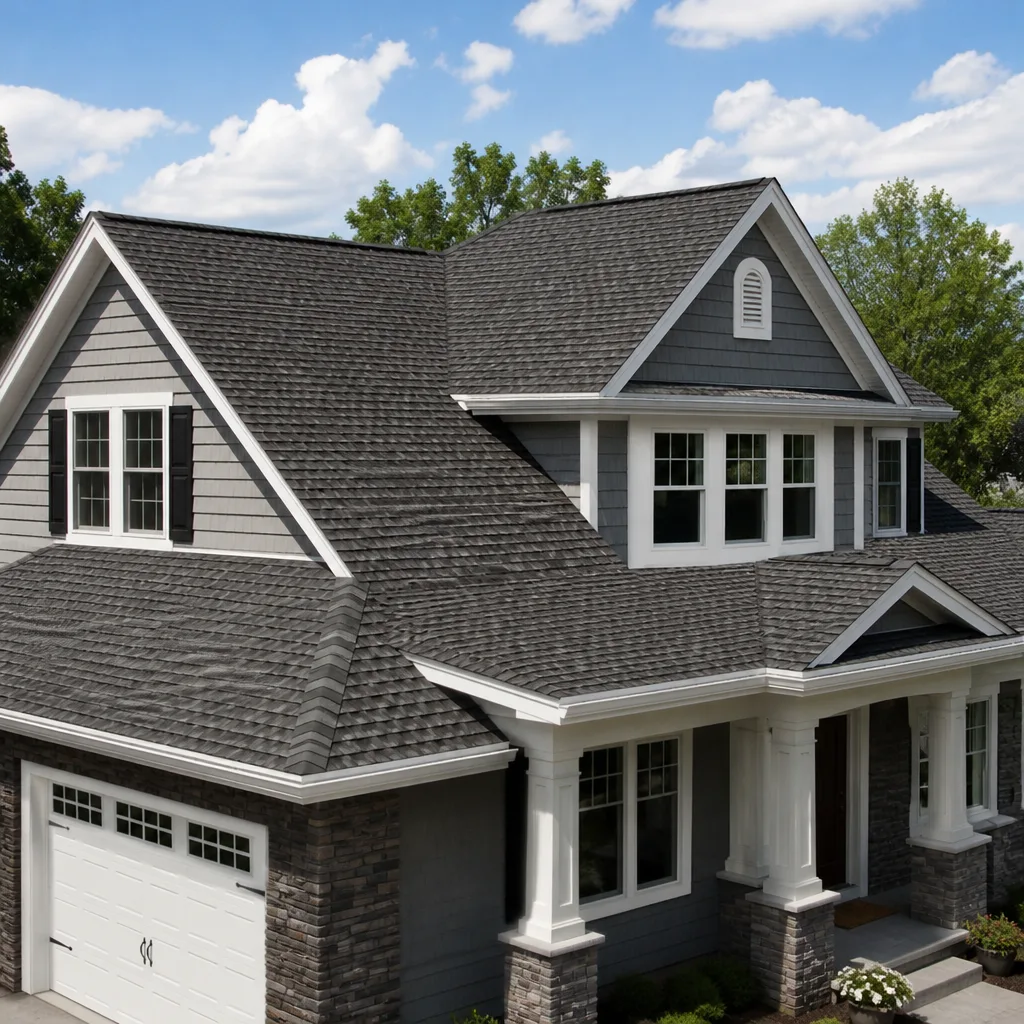 Architectural shingles
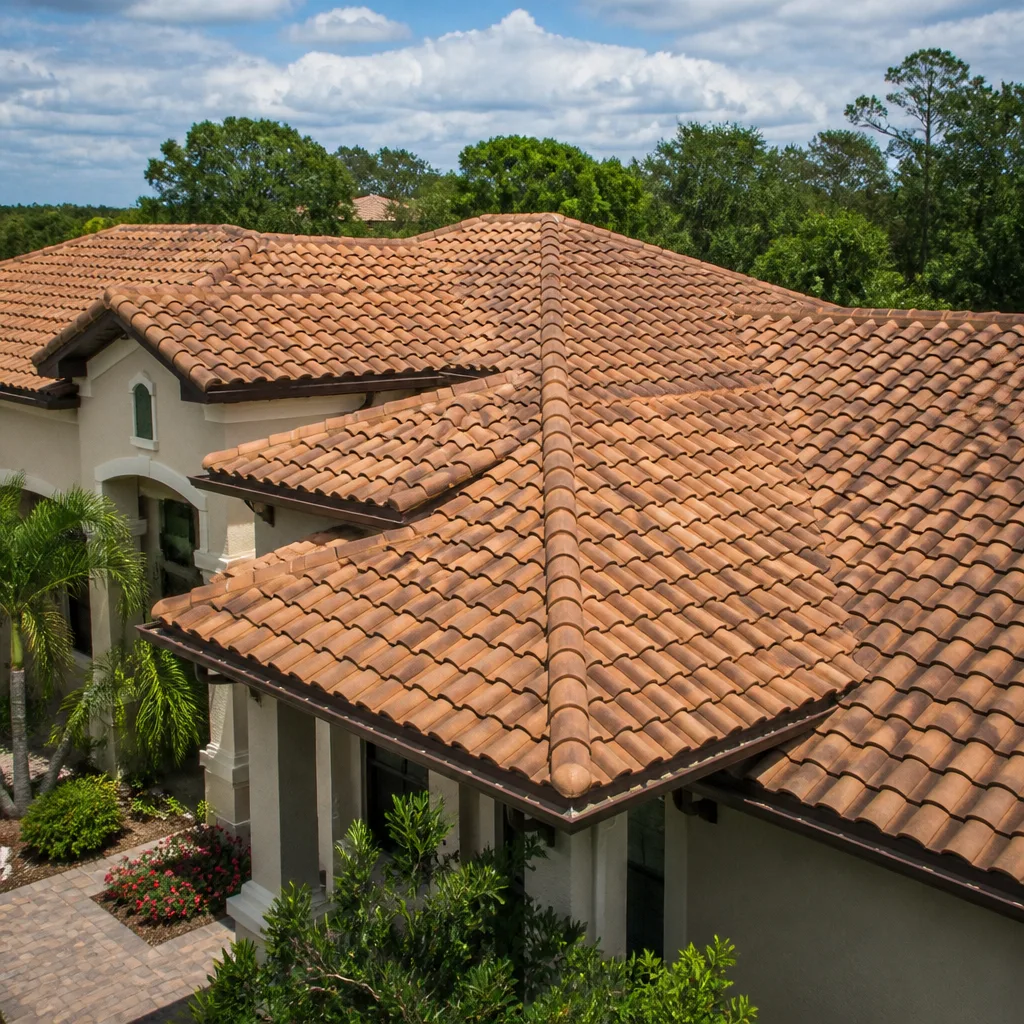 Tile roofing
 GAF
GAF Owens Corning
 Flat & low-slope
Free roof inspection with deck photos before we talk money - GAF and Owens Corning certified installation
Roofing Permits, Codes & Inspections in TX: What You Need to Know
A roofing job done without a required City of San Antonio permit can legally be called an “unpermitted improvement” on a home disclosure. That label alone has killed more than a few resale deals, and it’s a problem no homeowner in San Antonio wants to discover after the fact. Texas gives remarkable latitude to local jurisdictions on roofing codes. What’s perfectly legal in a Bexar County unincorporated pocket can be non-compliant inside city limits, and that distinction affects your insurance, your resale value, and your legal exposure in ways most people don’t realize until it’s too late.
Styles & brands we work with
Quick Answer
Most full roof replacements in San Antonio require a permit from the City of San Antonio Development Services Department, while minor repairs under a certain square footage may not. Texas has no statewide roofing code; each city and county adopts its own version of the International Residential Code (IRC) with local amendments. A final inspection verifies decking and flashing attachment but does not inspect underlayment installation quality, which is why your warranty terms matter as much as the permit itself.
Table of Contents
- When Does a San Antonio Roofing Project Require a Permit?
- City of San Antonio vs. Bexar County: Two Separate Systems
- What a Final Inspection Covers (And the Gap That Affects Your Warranty)
- How to Confirm the Permit Was Pulled in Your Name
- TWIA, Windstorm Codes, and Whether San Antonio Homeowners Are Affected
- What Permits and Inspections Cost in San Antonio
- Common Mistakes to Avoid
- When to Call a Professional
- Frequently Asked Questions
- The Bottom Line
When Does a San Antonio Roofing Project Require a Permit?
A full roof replacement in San Antonio requires a permit. That’s the simple rule. The more complicated part comes with repairs, and this is where homeowners and handymen both tend to get it wrong. The City of San Antonio Development Services Department uses a square-footage threshold for repairs: a small patch job, under roughly 100 square feet of roofing area, may be exempt. Full reroofs of the entire roof deck, any structural repair to the decking, and any replacement of attached roof framing always require a permit. Anything that touches the roof structure itself, not just the shingles on top of it, crosses from repair territory into regulated construction.
Climate matters here in ways a seasonal roofing care guide for San Antonio will tell you. San Antonio’s hail seasons, especially the storms that roll through the northwest side from Bandera Road to the Dominion, cause the kind of damage that tempts homeowners to skip the permit and just get the roof sealed up fast. After a big hail event in places like Alamo Heights or Stone Oak, contractors are everywhere, and some of them will tell you a permit “just slows things down.” That’s a red flag. A contractor who routes around the permitting process is routing around your protection.
The practical way to verify the current rule is to call 311 or check the Development Services Department’s roofing permit page directly. Rules get amended. We’ve seen the threshold adjusted before, and the version we quote today might not be the version in effect next year. A two-minute phone call to the city clears it up definitively.
City of San Antonio vs. Bexar County: Two Separate Systems
Here’s the distinction that creates real confusion for homeowners: the City of San Antonio Development Services Department issues permits only for properties inside San Antonio city limits. Bexar County operates separately under county rules for unincorporated areas. If your mailing address says “San Antonio” but your property sits in an unincorporated pocket of Bexar County, you’re under county jurisdiction, not city. Timberwood Park, parts of Helotes-adjacent land, sections of far west Bexar County near Government Canyon, and pieces of the far southeast all share this quirk. Your address looks like San Antonio, your neighbors say they live in San Antonio, but your permits come from a different authority with different rules.
Why does this matter? Because county requirements for roofing are generally lighter than city requirements, but your insurance carrier and your mortgage lender may not care about that distinction when something goes wrong. A roof installed under county rules that wouldn’t have passed city inspection can still become an issue at resale if a buyer’s inspector flags it. In our experience as a roofing company in San Antonio, we see this confusion most with homeowners who border city limits, the kind of property where you drive five minutes and cross from San Antonio proper into extraterritorial jurisdiction.
The only reliable way to know your jurisdiction is to enter your address on the Bexar County Appraisal District website and check what taxing entities claim your property. If the City of San Antonio appears on that list, you’re in city limits and city permits apply. If not, you’re under county rules.
What a Final Inspection Covers (And the Gap That Affects Your Warranty)
A city of San Antonio final roofing inspection verifies three things: the decking is sound and properly attached, the flashing is installed at penetrations and transitions, and the roof covering is fastened to the manufacturer’s high-wind specification. The inspector steps onto the roof, checks nailing patterns at the edges and field, looks at the drip edge, verifies flashing at chimneys, vents, valleys, and walls, and confirms the deck doesn’t have soft spots or rot that should have been replaced.
What the inspector does not do is verify the underlayment installation quality. Underlayment sits between the deck and the shingles. It’s the waterproofing layer that protects your home if wind drives rain under the shingles or a shingle fails. It goes down before the shingles, and by the time the final inspection happens, it’s covered. An inspector can’t see whether the underlayment was lapped correctly, whether the seams were properly overlapped, whether it was fastened at the correct intervals, or whether the right material was used at all.
That gap is not a failure of the inspection system; it’s a practical limitation. But it has a direct consequence for you: your shingle manufacturer’s warranty covers defects in the shingles, not the underlayment installation. Your contractor’s workmanship warranty is the only thing standing between you and a repair bill if the underlayment was installed wrong. This is why we tell homeowners in San Antonio to ask a pointed question before hiring: “What does your workmanship warranty cover, and for how long?” A written answer, not a verbal one. At Mercer Roofing Co San Antonio home, our standard is a written guarantee on every repair and a free second visit if a repair fails within the warranty period.
How to Confirm the Permit Was Pulled in Your Name
The permit should be in your name as the property owner, with the contractor listed as the qualifier. This is a specific, verifiable distinction. When a contractor pulls a permit in their name, or worse, in the name of an LLC that dissolves after the job, the permit trail on your property becomes muddy. A future buyer pulls the permit history on your address and finds a permit issued to a company that no longer exists, with no clear connection to the owner. That’s a red flag they may not understand and may not ask about, but their lender might.
- Ask for the permit number before work begins. A legitimate contractor in San Antonio will have it within 24 hours of the permit being issued, and they’ll share it without hesitation.
- Verify the permit online through the City of San Antonio’s Development Services permit search portal. Enter your address and confirm the permit shows your name as the owner.
- Confirm the contractor’s name on the permit matches the company you actually signed a contract with, not a sub or a shell.
- Keep the permit number and the final inspection sign-off with your home records. When you sell, this is proof the work was done legally.
A contractor who resists having the permit in your name is usually trying to keep their license number off your permit history. That’s a signal worth paying attention to. Every technician we send to a San Antonio roof is background-checked, identity-verified, and badged under the Threshold Verified standard, which is part of why we’re transparent about paperwork from the first call.
TWIA, Windstorm Codes, and Whether San Antonio Homeowners Are Affected
Texas Windstorm Insurance Association (TWIA) coverage applies to 14 coastal counties and parts of Harris County along Galveston Bay. Bexar County is not in the TWIA zone. No property in San Antonio or anywhere in Bexar County is eligible for TWIA coverage, and no TWIA windstorm inspection is required for a Bexar County roof. This is one of those questions that comes up because homeowners hear the words “Texas” and “windstorm” in the same sentence and assume it applies to everyone. It doesn’t.
What does apply in San Antonio is the wind load requirement in the adopted building code. The city’s residential code specifies a design wind speed for roofing systems, generally in the 110 to 120 mph range depending on the exposure classification of the home. This is why roofing manufacturers like GAF, CertainTeed, Owens Corning, and IKO specify high-wind installation details: more nails per shingle, specific starter strip requirements, and sealed roof deck systems in some cases.
If you live in a San Antonio neighborhood with high wind exposure, like the hilltops of Helotes or open land around the Texas Research Park area, your roof may require a higher wind-rated installation method even though TWIA doesn’t apply. A competent roofer will check your exposure category, not just your zip code, and install accordingly. That’s the kind of detail that separates a roof installation in San Antonio built for this climate from a generic one-size-fits-all job.
What Permits and Inspections Cost in San Antonio
Roofing permit fees in San Antonio are based on the project valuation, not a flat rate for every roof. For a typical single-family home reroof, the permit fee generally falls in the range of $150 to $400. A repair permit, for jobs over the exemption threshold, is usually on the lower end, between $75 and $200. These are city fees only and do not include any contractor administrative time to pull the permit, which is typically bundled into the contractor’s bid.
| Project Type | Typical Permit Fee Range | Notes |
|---|---|---|
| Full reroof (single-family) | $150 – $400 | Based on project valuation |
| Repair over exemption threshold | $75 – $200 | Varies by square footage replaced |
| Structural deck repair | $100 – $300 | Additional to reroof permit |
| Re-inspection fee (if first fails) | $65 – $150 | Charged per re-inspection |
These figures represent the market range we’ve seen across San Antonio projects, but the exact number depends on the specifics of your job. A contractor who quotes you a permit fee should be able to show you the receipt or the city’s fee schedule. Any contractor who tells you the permit fee is included but won’t provide the permit number may be pocketing the fee without filing the paperwork. We’ve seen that happen. It’s one of the reasons we give homeowners a written price for the job, including every permit fee, before any work starts.
Common Mistakes to Avoid
- Assuming the contractor handles everything. Many contractors do pull permits, but you should still verify the permit is in your name and active. Unpermitted work discovered at resale hurts the seller, not the contractor who did the work.
- Not knowing your jurisdiction. Living in a San Antonio zip code but an unincorporated Bexar County address means different permit requirements. Check BCAD before you sign a contract.
- Treating permit exemption as a green light for poor workmanship. Even if your repair is under the permit threshold, the work still needs to meet code. An exemption is not a quality waiver.
- Paying cash without documentation. No contract, no permit, no written guarantee means you have no recourse when the roof fails in a year. Get everything in writing, including warranty terms.
- Hiring based on the lowest bid. A low bid in San Antonio often reflects skipped steps: no permit, no license, no insurance, or underlayment shortcuts that won’t show up until the first hard storm.
- Not verifying the contractor is the one on the permit. A contractor who uses a different company name or a sub’s name on the permit is creating a liability gap for you. The permit should connect your name to the contractor you hired.
When to Call a Professional
Roofing permits and codes are not the place to test your DIY skills, so start with the complete guide to roofing in San Antonio. If you’re replacing the roof covering, repairing structural decking, or touching flashing around chimneys and skylights, call a licensed contractor who understands San Antonio permitting. A roof is the first line of defense between your family and a Texas storm, and the code requirements exist because roofs fail in predictable ways when shortcuts are taken.
If you need a free estimate for a roof replacement or roof repair in San Antonio, call Mercer Roofing Co San Antonio at (254) 276-4369. We’ll talk through your specific situation, confirm whether your project is in city or county jurisdiction, and give you a written price before any work starts. Every technician who comes to your door is background-checked, uniformed, and photo-badged under the Threshold Verified standard, and we’ll send their name and photo ahead of the visit so you know exactly who’s knocking.
Frequently Asked Questions
Yes, a full roof replacement within San Antonio city limits requires a permit from the City of San Antonio Development Services Department. Small repairs under roughly 100 square feet may be exempt. Call 311 to verify your specific project before work begins. For a written estimate that includes the permit process, call (254) 276-4369.
A typical roofing permit in San Antonio costs between $150 and $400 for a full reroof, based on project valuation, while a repair permit runs $75 to $200. The exact fee depends on your specific project. Your contractor should include the permit fee in the written estimate, not ask for it as a separate cash payment later. Call (254) 276-4369 for an estimate with the full cost broken out.
Technically yes, but they shouldn’t. The permit should list you as the property owner with the contractor as the qualifier. A permit in the contractor’s name obscures the permit history on your property and can complicate resale. Ask for the permit number and verify it shows your name before work starts.
You’ll likely have to disclose it as an unpermitted improvement on the seller’s disclosure, which can reduce resale value and may affect the buyer’s ability to get lender financing. Some buyers walk away. The safest fix is to get the roof permitted and inspected retroactively, which may require opening up the roof for inspection, adding cost. For more warning signs every San Antonio homeowner should watch for, see our dedicated guide. Call (254) 276-4369 if you need to resolve an unpermitted roof situation in San Antonio.
No. TWIA applies only to 14 coastal counties and parts of Harris County. Bexar County is not in the TWIA zone, and no TWIA inspection is required for a San Antonio roof. However, the city’s wind load requirements still apply, typically designed for 110 to 120 mph wind speeds depending on exposure. Talk to a contractor who understands San Antonio’s specific wind zone requirements before choosing shingles and installation methods.
A standard single-family roof replacement in San Antonio typically takes one to three days, depending on the size of the roof, the pitch, and the number of layers being removed. Permitting typically adds one to three business days before the work starts. The final inspection is scheduled after the roof is complete, usually within a few days. For an exact timeline on your specific roof, call (254) 276-4369.
The Bottom Line
Roofing permits in San Antonio are not optional paperwork. They’re the record that proves your roof was installed legally, which protects you at resale, with your insurance company, and inside any future warranty claim. Know your jurisdiction, verify the permit is in your name, and understand what your warranty actually covers before you sign anything. The gap between what an inspector sees and what’s underneath the shingles is real, and you can find more guides & resources on our blog. That gap is closed by the workmanship warranty, which is why a written guarantee matters more than a confident handshake. Mercer Roofing Co San Antonio has served San Antonio since 2000 as part of the Threshold Group family. Call (254) 276-4369 for a free estimate, a written price, and a roofer who puts everything in writing.
Written by Grant Whitlock, Owner at Mercer Roofing Co San Antonio, serving San Antonio since 2000.
See the difference
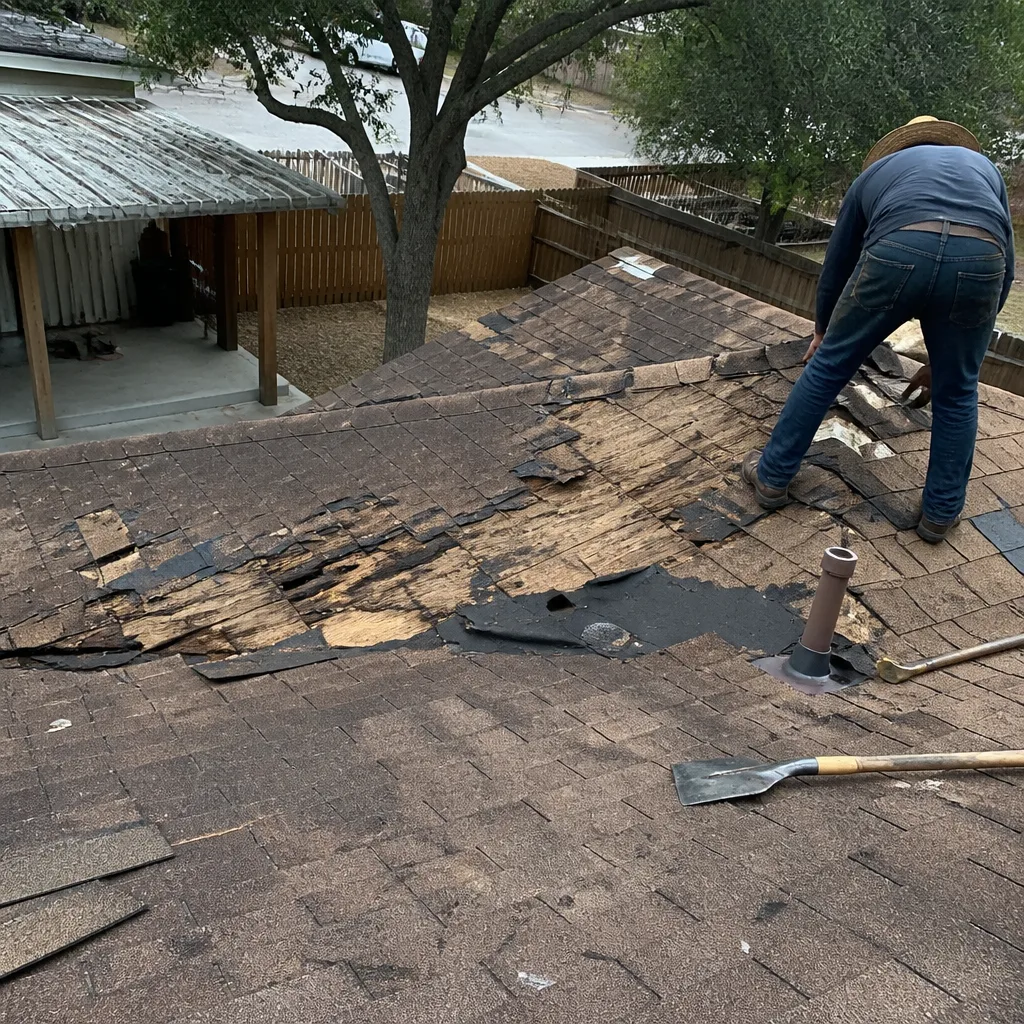 Before
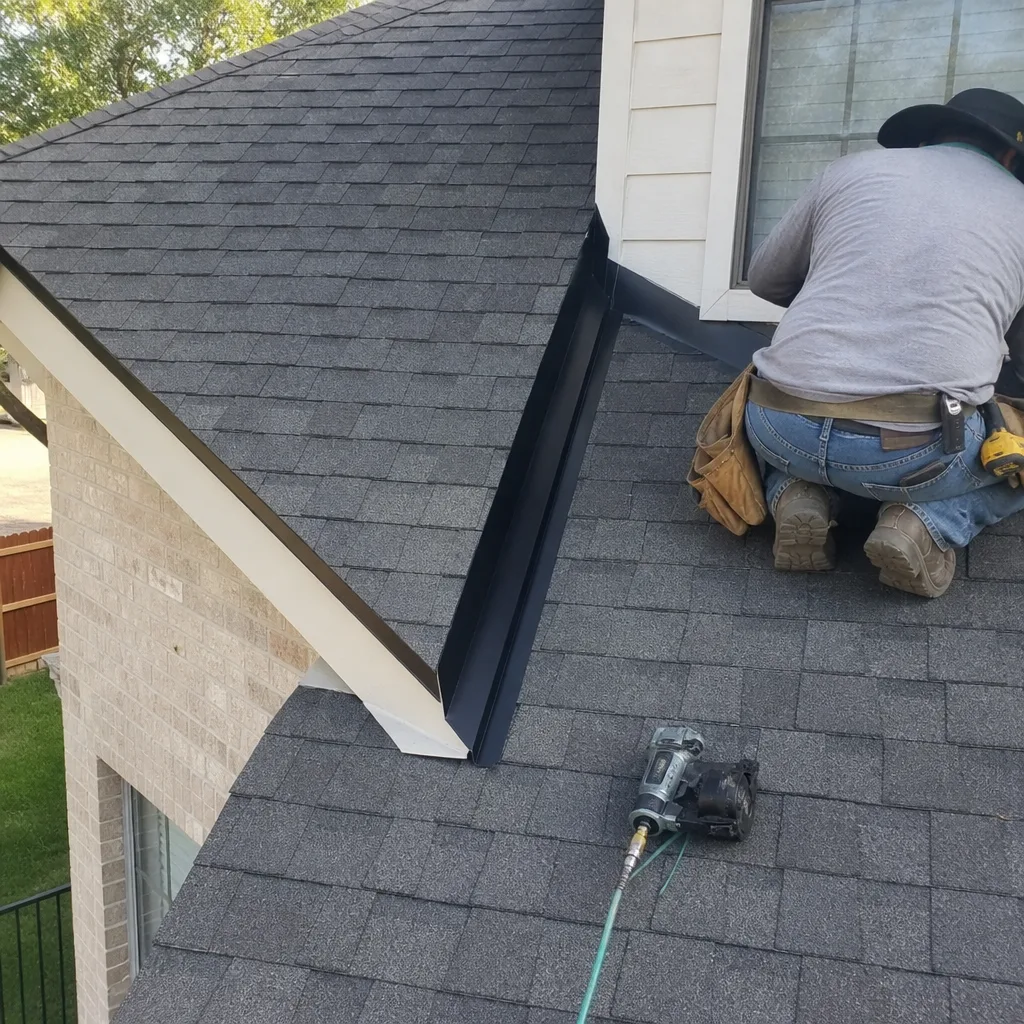 After
After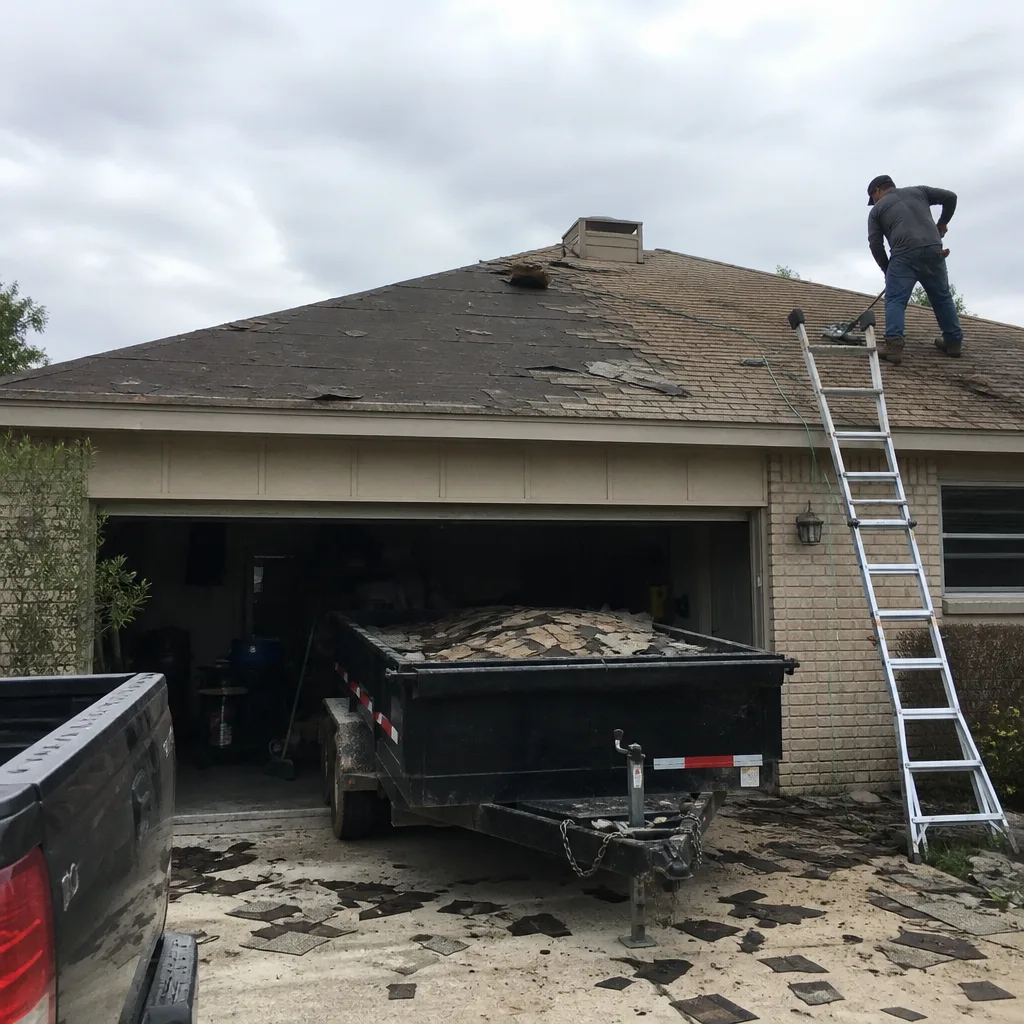 Before
 After
After Before
 After
After