
Last updated October 17, 2026
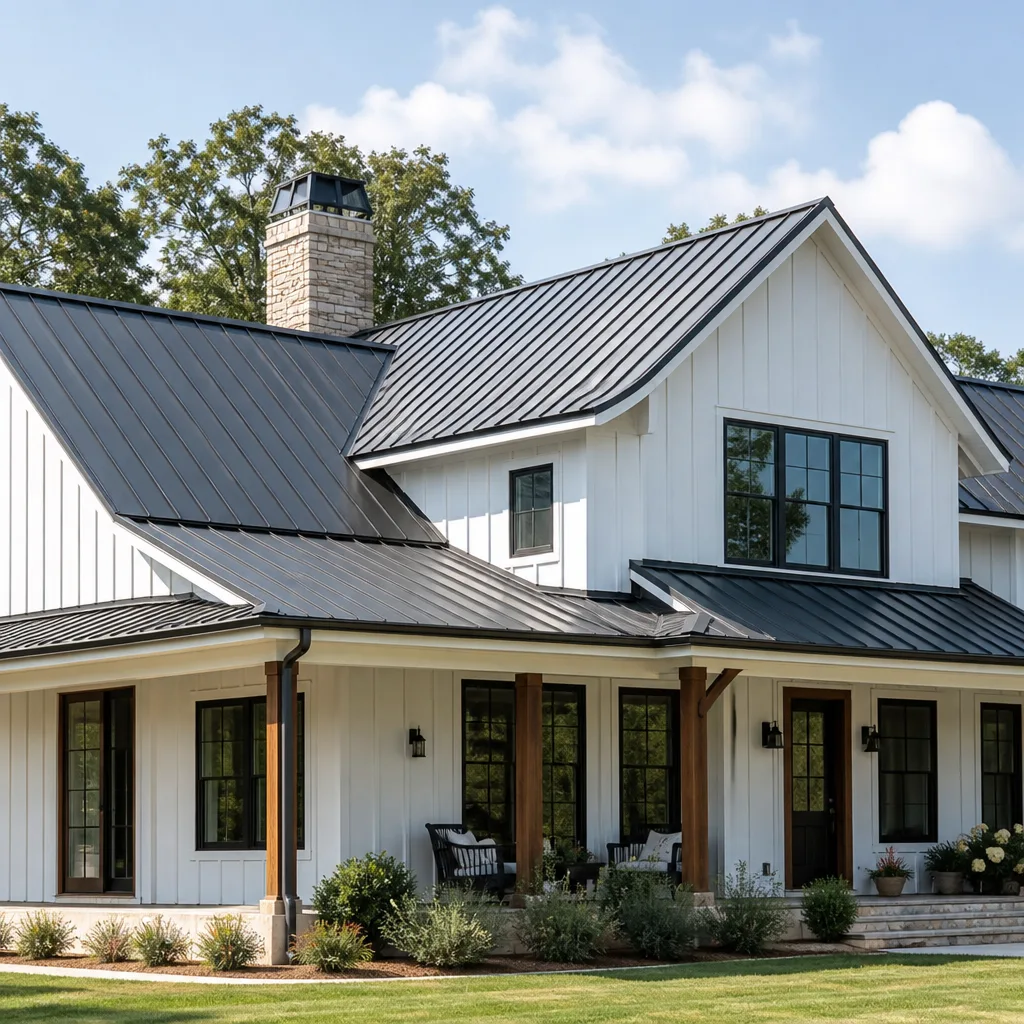 Metal roofing
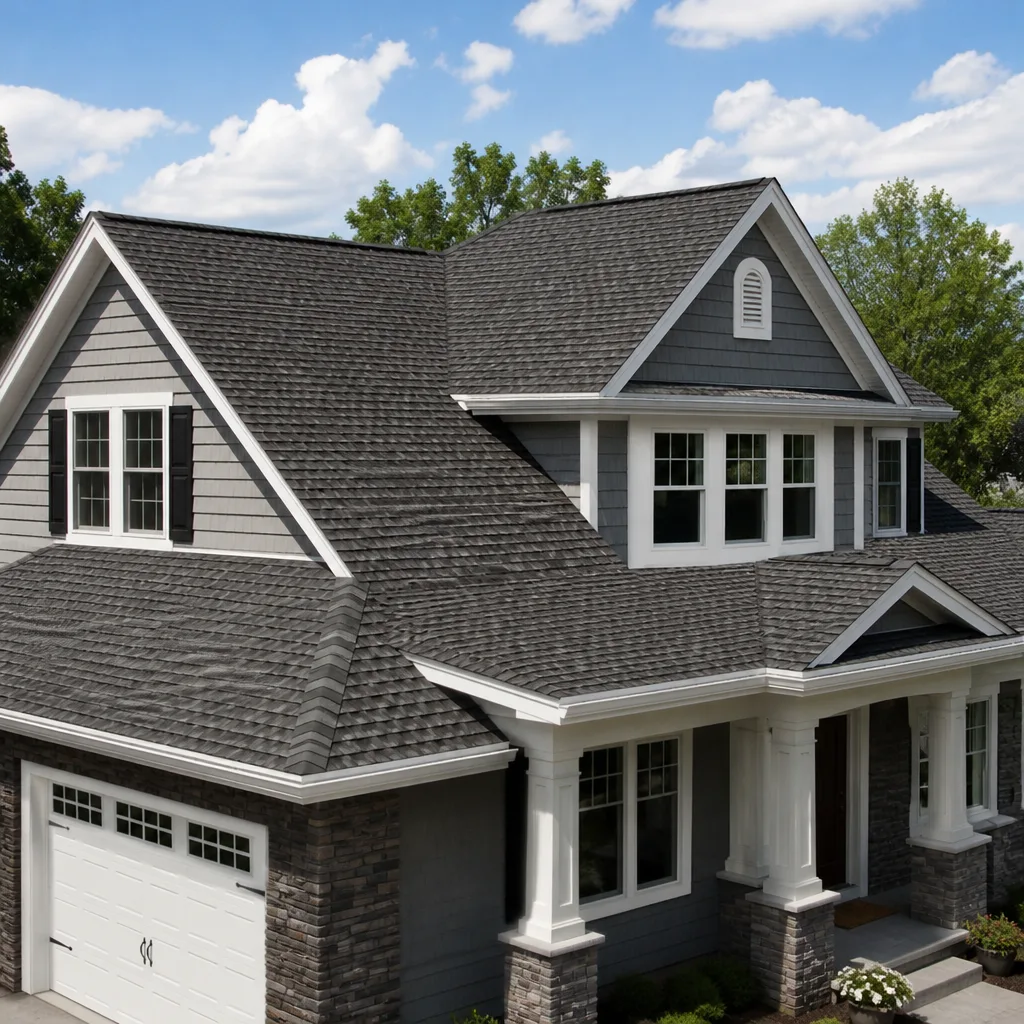 Architectural shingles
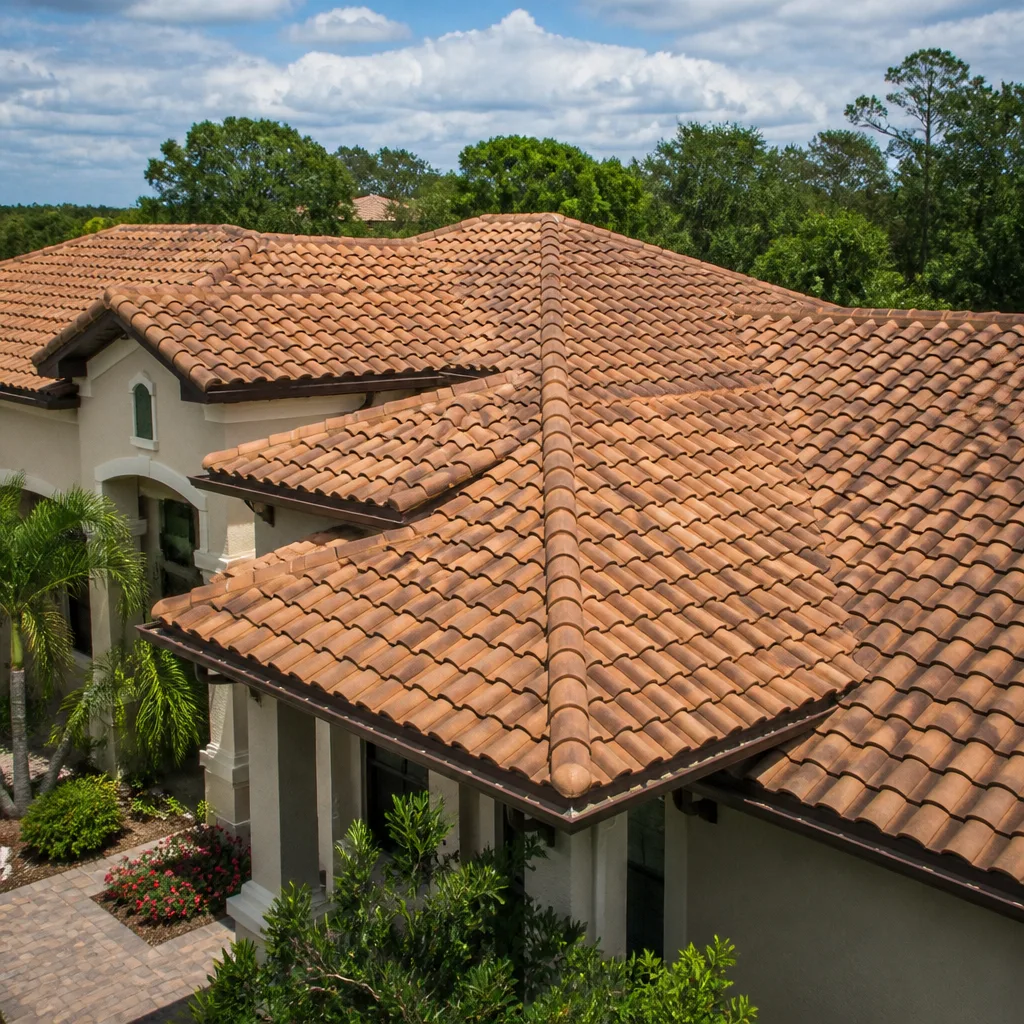 Tile roofing
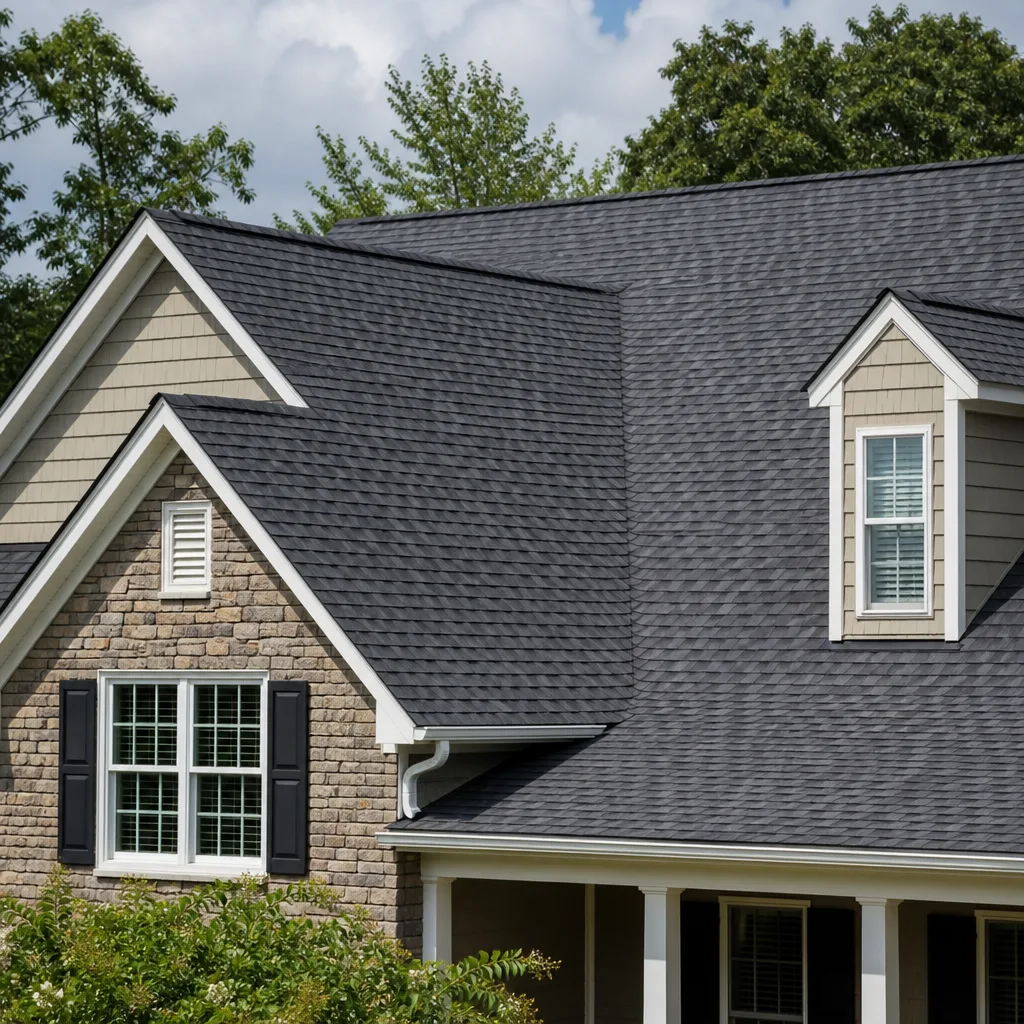 GAF
GAF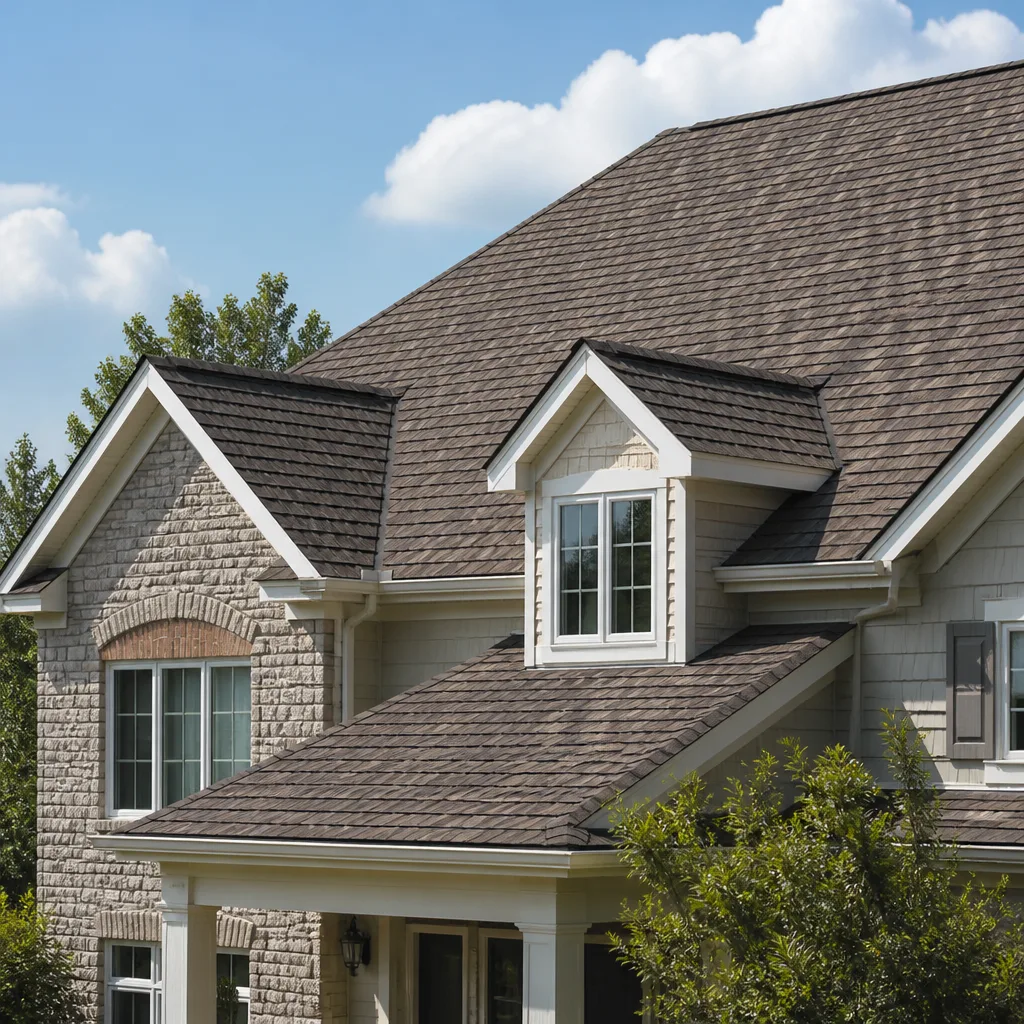 Owens Corning
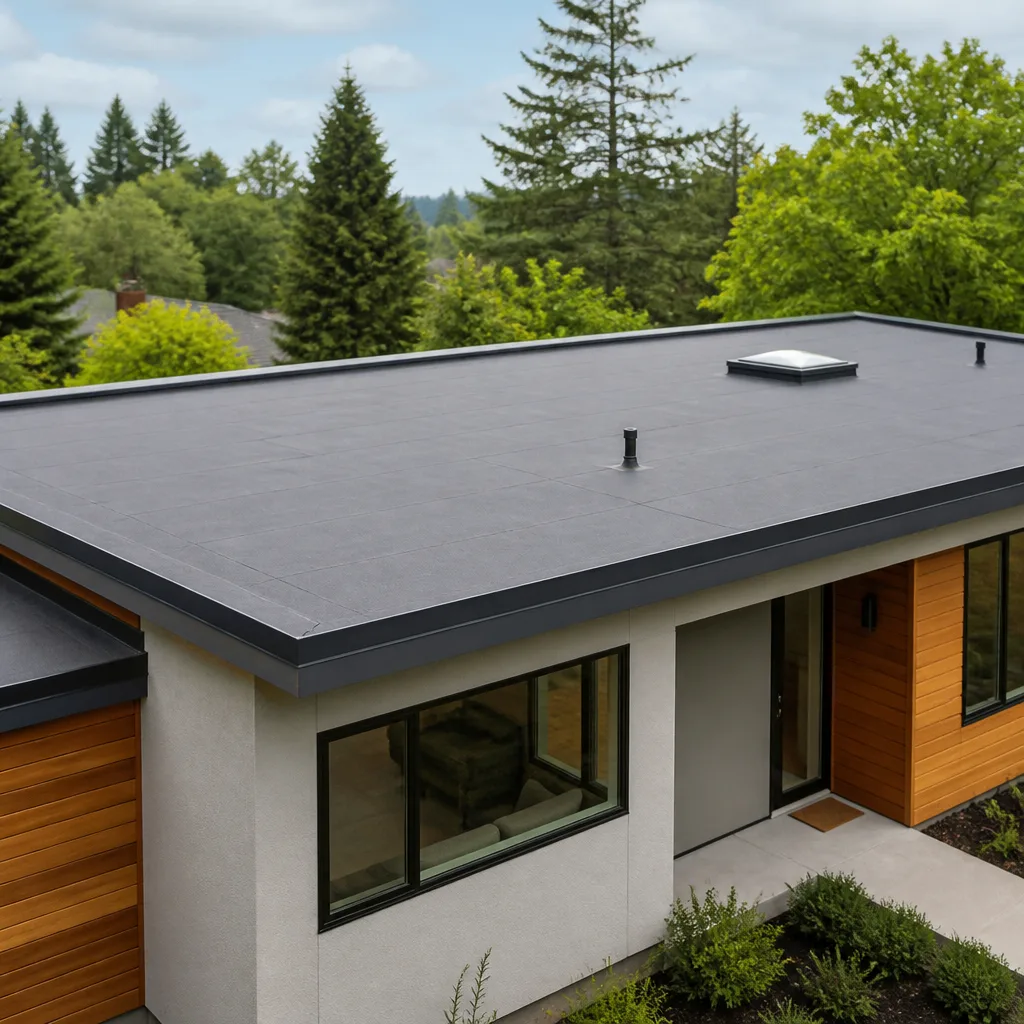 Flat & low-slope
Free roof inspection with deck photos before we talk money - GAF and Owens Corning certified installation
The Complete Guide to Roofing in San Antonio
San Antonio averages 31 hail days per year. That’s more than Oklahoma City, a place most Texans think of as the hail capital of the southern plains. But most “complete roofing guides” you’ll find online were written for a generic American suburb, one with stable soil and mild summers. They don’t mention caliche. They don’t mention 140-degree attic temperatures. They don’t mention the storm chasers who roll down I-35 after every May hailstorm. This guide does. You’ll learn what actually drives roofing costs in San Antonio, which materials hold up here, how local licensing works, and what a written price guarantee should look like before you let anyone on your roof. For more guides & resources, visit our blog.
Quick Answer
A complete understanding of roofing in San Antonio comes down to three local realities: clay-heavy caliche soil that shifts and stresses roof edges, a hail corridor that makes impact-rated shingles a financial calculation rather than an upsell, and a contractor market where written, pre-work pricing is the exception rather than the rule. Expect to pay between $4.50 and $7.75 per square foot for a typical asphalt shingle replacement in Bexar County, with tear-off included. The single most important thing you can do before hiring anyone is confirm in writing that the price quoted is the price you’ll pay.
Styles & brands we work with
Table of Contents
- How San Antonio’s Climate Affects Your Roof
- Caliche Soil and the Edge-Failure Problem
- What Roofing Costs in San Antonio in 2026
- Best Roofing Materials for San Antonio Homes
- The I-35 Hail Corridor and Impact-Rated Shingles
- Texas Contractor Licensing: The Three Tiers Explained
- Why a Written Price Matters More in San Antonio Than Almost Anywhere Else
- What a Proper Roof Replacement Should Include
How San Antonio’s Climate Affects Your Roof
San Antonio gets about 32 inches of rain a year, but the real story is how it falls. We get long dry stretches followed by intense downpours, often in April, May, September, and October. That pattern means your roof spends months baking under UV-intense sun, then gets hit with sudden heavy water. The thermal cycling, that repeated expansion and contraction, loosens shingle seals and degrades flashing faster than in cities with more consistent weather.
Summer attic temperatures in San Antonio routinely reach 140°F, sometimes higher in July and August. That’s hot enough to cook the asphalt in cheap shingles from the underside, even as the sun bakes them from above. Granule loss accelerates. Shingles get brittle. By year 12 or 15, a low-grade shingle that might last 20 years in Ohio is often done here.
High winds are another factor. Spring and fall fronts push through with gusts regularly exceeding 50 mph. Lifted shingles don’t always leak right away. Sometimes the nail holes stretch and the shingle reseats itself, but the damage is done. The next storm finds the weak spot and water gets in.
What this means practically: roof inspections in San Antonio should happen twice a year, ideally in March before hail season and in October before fall storms. Our Roof Repair Maintenance Checklist for San Antonio Homeowners covers exactly what to look for. Most homeowners skip this. We replace a lot of roofs that could have been repaired if the first small failure had been caught early.
Caliche Soil and the Edge-Failure Problem
Here’s a San Antonio roofing factor that almost no national guide covers: caliche soil. Bexar County sits on expansive clay and caliche layers that swell when wet and shrink when dry. You’ve seen the results in cracked driveways, shifted sidewalks, and doors that stick in summer. Your roof feels it too.
When the ground under your foundation moves, even slightly, the walls of your house shift with it. Fascia boards, the trim along the roofline, pull away from the roof deck. Soffits develop gaps. Rake edges, where the roof meets the gable end, get stressed at the exact point where shingles are most exposed to wind uplift. The result is a pattern we see in neighborhoods across San Antonio: edge failure that shows up years before the field of the roof is worn out.
In Alamo Heights, Terrell Hills, and older sections of Castle Hills, homes built on slab foundations before modern soil preparation are especially prone to this. The roof isn’t failing because the shingles are bad. It’s failing because the house is moving under it.
The fix isn’t just replacing shingles. The fascia often needs refastening. Decking at the edges may need reinforcing. Without addressing the structural side, a new roof on a shifting edge will develop the same problem, just slower.
What Roofing Costs in San Antonio in 2026
Here are the numbers San Antonio homeowners should be working from, based on current market rates in Bexar County. These are for standard architectural asphalt shingles. Standing seam metal and tile run higher.
- Tear-off and replacement, architectural shingles: $4.50 to $7.75 per square foot installed. A 2,000-square-foot roof typically lands between $9,000 and $15,500.
- Impact-resistant Class 4 shingles: $5.25 to $8.75 per square foot. The premium over standard runs 15% to 25%, but insurance discounts often offset it within 3 to 6 years.
- Minor repair (flashing, small leak, missing shingles): $350 to $850.
- Moderate repair (valley replacement, chimney flashing rebuild): $800 to $2,400.
- Steep-slope or high-access work: adds $200 to $600 per job for staging and safety.
- Full decking replacement (if plywood is rotted): $2.00 to $3.50 per square foot of decking replaced, on top of shingle work.
Why the range? Roof complexity, pitch, stories, tear-off layers, and the condition of the decking underneath. A simple ranch-style roof in Stone Oak with one layer of shingles will hit the low end. A two-story with steep pitches, multiple valleys, and rotted decking will hit the high end. Anyone quoting below $4.00 per square foot in San Antonio right now is either cutting labor quality or planning to surprise you on the invoice. Both are common.
Decking rot is the big wild card. San Antonio’s high humidity and the squirrel population in older neighborhoods mean water finds a way into attics, and plywood rots. You won’t know until the old shingles come off. That’s why a written price guarantee matters, and we’ll get to that below.
Best Roofing Materials for San Antonio Homes
Every material is a tradeoff between cost, longevity, heat performance, and insurance profile. Here’s what actually works in South Texas.
Architectural Asphalt Shingles
The default choice for most San Antonio homes, and for good reason. Modern architectural shingles from GAF, CertainTeed, or Owens Corning handle our heat better than the three-tab shingles of the 1990s. They’re rated for 110+ mph wind uplift when installed with six nails and proper starter strips. Expect 15 to 22 years in our climate, depending on grade. At the upper end, impact-rated options from these same manufacturers qualify for insurance wind/hail discounts.
Impact-Resistant Shingles (Class 3 and Class 4)
These are tested to withstand steel ball impacts that simulate hail. Class 4 is the highest rating. In San Antonio’s hail corridor, this isn’t an upsell, it’s a financial calculation. We break down the math in the hail section below.
Clay and Concrete Tile
Beautiful and extremely durable against heat and hail. Common in Mission-style homes in King William, Monte Vista, and parts of Alamo Heights. But tile is heavy: 600 to 1,000 pounds per square, which means the framing must be verified before install. Repairs cost more because broken tiles are harder to replace individually. If you have tile and need repair work, make sure the roofer has tile-specific experience, not just shingle experience.
Standing Seam Metal
The best hail and wind performer available. 140-mph wind ratings. 50-year lifespan. Reflects heat better than any asphalt product. The catch: cost runs $12 to $18 per square foot, double or triple asphalt. For homeowners planning to stay 20+ years, it often makes financial sense. For a 10-year horizon, asphalt is the better value.
Modified Bitumen and TPO (Flat Roofs)
San Antonio has plenty of mid-century flat-roof homes, especially in older neighborhoods like Jefferson and Woodlawn Lake. We don’t recommend roofing felt and tar. Modified bitumen with proper UV coating or TPO membrane handles our heat far better. Flat roof replacement typically runs $6 to $10 per square foot.
What we see work best in San Antonio: For 4:12 pitch and steeper, architectural asphalt with Class 4 impact rating, six-nail installation, synthetic underlayment, and ice-and-water shield in valleys. That combination handles 95% of what our climate throws at it while keeping the insurance company happy. Learn more about how we approach Roof Installation in San Antonio.
The I-35 Hail Corridor and Impact-Rated Shingles
San Antonio sits directly in the I-35 hail corridor, the stretch of Texas from Denton through Austin and San Antonio down to Laredo that sees more damaging hail events than anywhere else in the state. The National Weather Service records consistently show Bexar County among the top Texas counties for hail frequency. In 2025, San Antonio saw multiple damaging events, with stones up to 3 inches reported in the northwest side near Sea World and Helotes.
So the shingle question isn’t “Do I need impact rating?” The question is: “Does the insurance math work out?” Let’s break it down.
Class 3 vs Class 4: The Actual Difference
- Class 3: Tested against a 1.75-inch steel ball dropped from 17 feet. Handles most moderately sized hail. Insurance discount typically 5% to 12%.
- Class 4: Tested against a 2-inch steel ball dropped from 20 feet. Handles the serious storms. Insurance discount typically 15% to 35%, and some carriers in Texas now require Class 4 for new policies in hail-prone counties.
The premium difference between Class 3 and Class 4 is usually under $500 on a standard San Antonio home. If Class 4 gets you even a 15% discount on a $2,200 annual premium, that’s $330 a year. You recover the upcharge in under two years, and after that it’s savings. Plus you’re protected against the hailstorm that totals your roof and leaves you fighting a claims adjuster.
What Hail Damage Actually Looks Like
- Granule loss: Hail knocks the ceramic granules off shingles. Look for accumulation in gutters or at downspout bases.
- Bruises or soft spots: Feelable dents where the shingle mat has been compressed. Press with your thumb; a bruise feels spongy compared to surrounding shingle.
- Cracks or punctures: Broken shingle edges or visible holes, especially on ridge caps.
- Damaged flashing or vents: Dented metal flashing, bent vent pipes, cracked vent caps.
- Siding and window damage: Hail rarely takes out just the roof. Check gutters, downspouts, window screens, and AC condenser fins.
If you suspect hail damage, document everything before and after any repair. Insurers want dated photos and a licensed inspector’s report. That’s a subject for a separate guide, but the short version: don’t file a claim without evidence, and don’t let anyone “helpfully” start tear-off before your adjuster has seen the roof.
Texas Contractor Licensing: The Three Tiers Explained
Texas is not like California or Florida. The state does not have a single “roofing license” that proves someone is qualified. Instead, responsibility falls to the Texas Department of Licensing and Regulation (TDLR) for registration and to local municipalities for permitting. Here’s what actually matters for accountability.
Tier 1: TDLR Registration
Any roofing contractor performing work in Texas must register with TDLR. This is a registration, not a competency test. It means they have basic insurance requirements met. It also means they have a registration number you can look up. If a contractor refuses to give you a TDLR number, walk away.
Tier 2: Local Permitting and Inspection
San Antonio requires permits for roof replacement. The permitted work gets inspected by the city’s Development Services Department. This is where actual code compliance gets checked: nailing patterns, underlayment, ventilation, flashing details. A contractor who says “we don’t need a permit for this” on a replacement job is either mistaken or avoiding inspection. Either way, you don’t want them on your roof. For help finding a trustworthy professional, see our How to Hire a Roofing Contractor in San Antonio: A Step-by-Step Guide. A proper roofer pulls permits, schedules inspections, and stands behind the work when the inspector walks it.
Tier 3: Manufacturer Certification
GAF, CertainTeed, and Owens Corning all have contractor certification programs. These require factory training, proof of insurance, and ongoing installation quality audits. Certified contractors can offer enhanced manufacturer warranties that uncertified installers cannot. When you see “GAF Master Elite” or “CertainTeed SELECT ShingleMaster,” that’s a real credential with real training behind it. It’s not a marketing sticker.
What does this all mean for you? Ask for a TDLR number, confirm permits will be pulled and inspections scheduled, and ask which manufacturer certifications the crew holds. Anyone who hesitates on any of these three questions is revealing something important. We cover all of this in more depth on our Roofing Company in San Antonio page.
Why a Written Price Matters More in San Antonio Than Almost Anywhere Else
Here’s the uncomfortable truth about the San Antonio roofing market: verbal estimates are the norm, not the exception. It’s how storm chasers operate. Before you decide to tackle repairs yourself, read our DIY vs Professional Roofing: The San Antonio Homeowner’s Decision Guide. They show up after a hailstorm, walk your roof with you (or just tell you they did), give you a number over a handshake, and start work the next day. The invoice at the end is where the real number appears. Extra decking. “Unforeseen” flashing work. Disposal fees. Suddenly the verbal number is 30% higher and you’re holding a bill, not an estimate.
A written, pre-nail price changes everything. It means the contractor has actually looked at your roof, calculated materials, priced labor, and committed to a number in writing before the first shingle comes off. If the decking underneath is rotted, the contract should state exactly what additional decking costs per sheet, so there’s no mystery math when the tear-off reveals what it reveals.
At Mercer Roofing Co San Antonio, the written price isn’t a courtesy. It’s the way every project starts. The price you see in writing is the price on the invoice. No exceptions. No “unforeseen conditions” clauses that quietly turn into surprise line items.
What a written price should include:
- Scope of work, item by item: tear-off, underlayment, shingles, flashing, ventilation, cleanup
- Line-item pricing for each component
- Decking replacement rate clearly stated (per sheet or per square foot)
- Permit and inspection costs listed separately
- Payment schedule in writing: typically deposit, progress, completion
- Warranty terms: manufacturer warranty scope and the contractor’s own workmanship guarantee
- Timeline: start date, completion date, weather contingencies
If a contractor won’t put these things in writing, that’s not a style difference. That’s a signal. In a city where storm chasers arrive with every hail event, the written price is the single best protection a San Antonio homeowner has.
What a Proper Roof Replacement Should Include
Here’s the step-by-step process of a properly done roof replacement in San Antonio. If a contractor skips any of these, ask why.
- Initial inspection: Full attic access, roof walk, photos of problem areas, measurement and documentation.
- Written scope and price: Line-item breakdown, decking rate disclosed, permit costs included.
- Permit pulled before tear-off: City of San Antonio Development Services permit posted on site.
- Tear-off down to decking: All old shingles and underlayment removed, not roofed over. Roofing over old shingles is legal in Texas for a single layer in some cases, but it’s a false economy. You can’t inspect decking you can’t see.
- Decking inspection and replacement: Rotted or delaminated plywood replaced, refastened to code.
- Underlayment and ice-and-water shield: Synthetic underlayment over the full deck, ice-and-water shield in valleys, eaves, and around penetrations.
- Starter strips and drip edge: Critical for wind uplift and edge protection. This is where cheap crews cut corners.
- Shingle installation: Six-nail pattern on architectural shingles, proper overhang, aligned courses.
- Flashing work: New step flashing at walls, new chimney flashing, new pipe boots, new valley flashing.
- Ventilation check: Intake and exhaust balanced. A 140°F attic is not normal. Proper ridge vent and intake soffit venting extend shingle life dramatically.
- Final walkthrough with the customer: Photos of the completed work, explanation of the warranty, written guarantee delivered.
- City inspection passed: The permit is closed out, not left open. An open permit is a liability when you sell the house.
Most of the nightmare stories in San Antonio come from step 4, step 6, or step 7 being skipped. Decking that was never inspected. Underlayment that was cheap felt instead of synthetic. Starter strips omitted entirely. The roof looks fine for five years, then fails all at once. The roofer is gone by then, and so is your money. Learn more about what a proper repair involves on our Roof Repair in San Antonio page.
Signs You Need Roof Work (and What’s Actually Urgent)
Not every roof problem is an emergency. Here’s how to read the signs like a San Antonio roofer would.
Urgent: address within days
- Water stains spreading on ceilings or walls: Active leak. Every rain event makes it worse. Mold is already developing in the insulation.
- Missing shingles after a storm: Exposed decking or underlayment is vulnerable to the next rain, and in San Antonio, the next rain comes sooner than you expect.
- Sagging roof decking: Structural issue. This is beyond a simple patch.
- Daylight visible through the roof from inside the attic: Open holes, failed decking, or missing ridge material.
Important: address within 3 to 6 months
- Granule loss visible in gutters: Shingles are aging. Not urgent, but a signal that replacement is on the horizon.
- Cracked or curling shingle edges: Classic Texas thermal aging. The roof is in its final third of life.
- Flashing rust or separation: The most common source of slow leaks. Cheaper to fix now than to replace insulation and drywall later.
- Failed pipe boots: The rubber collar around plumbing vents dry-rots in our heat. A $300 fix, not a roof replacement.
Monitor: recheck at next inspection
- Mild moss or algae staining, especially on north-facing slopes: Cosmetic in most San Antonio homes. Algae-resistant shingles solve it at replacement time.
- Fascia pulling away from the roofline: This is the caliche pattern we described above. It needs attention, but it’s a structural edge fix, not an emergency.
None of these require you to get on a ladder. A professional roof inspection from the ground and attic is enough to diagnose most issues. If you’re seeing something concerning and you’re not sure of the urgency, call us. We’ll tell you honestly whether it needs attention now or can wait. A live person answers, any hour, at (254) 276-4369.
San Antonio Insurance Claims: What Homeowners Get Wrong
Hailstorm hits, the adjuster comes out, you get a check. Simple, right? Not in San Antonio. Here’s where homeowners lose money without ever knowing it.
The Scope Game
Insurance adjusters write estimates using standardized software. They price for the cheapest shingle that meets “like kind and quality,” which usually means a basic three-tab or low-grade architectural. They miss code-required items like drip edge, ice-and-water shield in valleys, and underlayment type. And they always low-ball the square footage. The difference between what the adjuster writes and what the roof actually needs is called the scope gap. It’s routinely 15% to 30% in Bexar County.
The Supplement Process
This is where a good contractor earns their keep. After teardown, if decking is rotted or code items were missed, the contractor files a supplement with the insurer with photos and documentation. A roofer who knows San Antonio’s code requirements and carries manufacturer specs can get an additional several thousand dollars approved that would otherwise come out of your pocket. A roofer who just wants to get paid fast will do the repair for what the adjuster wrote, skipping items you’re entitled to.
The Actual Cash Value Trap
Some policies in Texas are written on an Actual Cash Value (ACV) basis for roofs over 10 or 15 years old. That means the insurer depreciates the roof’s value and pays out a fraction. The replacement cost, less depreciation, is the payout. You cover the gap. If your policy is ACV, pricing your roof replacement proactively, before a claim, often makes more financial sense than filing after a storm.
We walk homeowners through claims questions every week. If you’re not sure what your policy covers, or you’ve got a claim denial you think is wrong, call us before you sign anything. A conversation costs nothing, and it often saves thousands.
How to Choose a San Antonio Roofer
Forget the five-star reviews and the pretty website for a moment. Here’s the filter we’d recommend to our own family.
- Ask for the TDLR registration number, then verify it. Takes 60 seconds on the TDLR website. If it doesn’t check out, the conversation is over.
- Ask who is coming to your home. You should know the name of the person walking your roof and the person who will be at your door. A company that won’t tell you who to expect is a company that hasn’t thought about your safety.
- Ask for a written, line-item price before work starts. Not a verbal number. A written document. If they won’t produce one, that’s your answer.
- Ask what the workmanship guarantee is, in writing, with a specific time period. “We stand behind our work” is not a guarantee. “365 days, with a written repair commitment” is a guarantee.
- Ask about permits. The answer should be an unhesitating “yes, we pull permits and close them out.”
- Ask which manufacturer certifications the company holds. Certified installers have third-party training. Uncertified installers have whatever they learned on the last job.
We built Mercer Roofing Co San Antonio around exactly these answers. Every technician is background-checked, identity-verified, and arrives in a clean marked uniform with a photo ID badge. Before the visit, you get the technician’s name and photo sent to your phone. The price is in writing before any work begins. The guarantee is 365 days, in writing, on every repair. If the repair doesn’t hold, we come back free. That’s the 365-Day Done Right Promise, and it’s included with every job, not as an add-on.
Threshold Group, founded in 2000, is the framework behind these standards. Every independently owned location, including ours in San Antonio, is contractually held to the Threshold Verified standard: background-checked, photo-badged, uniformed technicians on every visit. No exceptions, no asterisks.
Common Mistakes to Avoid
- Hiring the first contractor who knocks after a hailstorm. Storm chasers follow the weather. They’re not local, they’re not accountable, and they’re gone by the time the roof fails. Ask how long they’ve been roofing in San Antonio, then verify what they tell you.
- Accepting a verbal estimate as binding. In Texas, a verbal estimate is worth nothing when you’re holding a higher invoice. Get the price in writing, line by line, before work starts.
- Vinyl-coated membrane roofs, roof-over services, and other “cheap fix” approaches. Roofing over old shingles saves $1,500 today and hides decking rot, leaks, and structural problems that cost $10,000 later. It’s the most expensive discount in roofing.
- Skipping the attic inspection. Half the diagnostic information is inside. A roofer who never goes in the attic is guessing.
- Choosing a roofer solely on price. The low bid is often a loss-leader that gets made back on change orders. Ask for line-item pricing and compare scopes, not bottom lines.
- Not confirming permit status. An unpermitted roof is a liability when you sell. A permitted and inspected roof is an asset.
- Ignoring the caliche connection. If your fascia boards pull away and you just replace shingles without addressing the edge structure, you’ll pay for the same repair twice.
See the difference
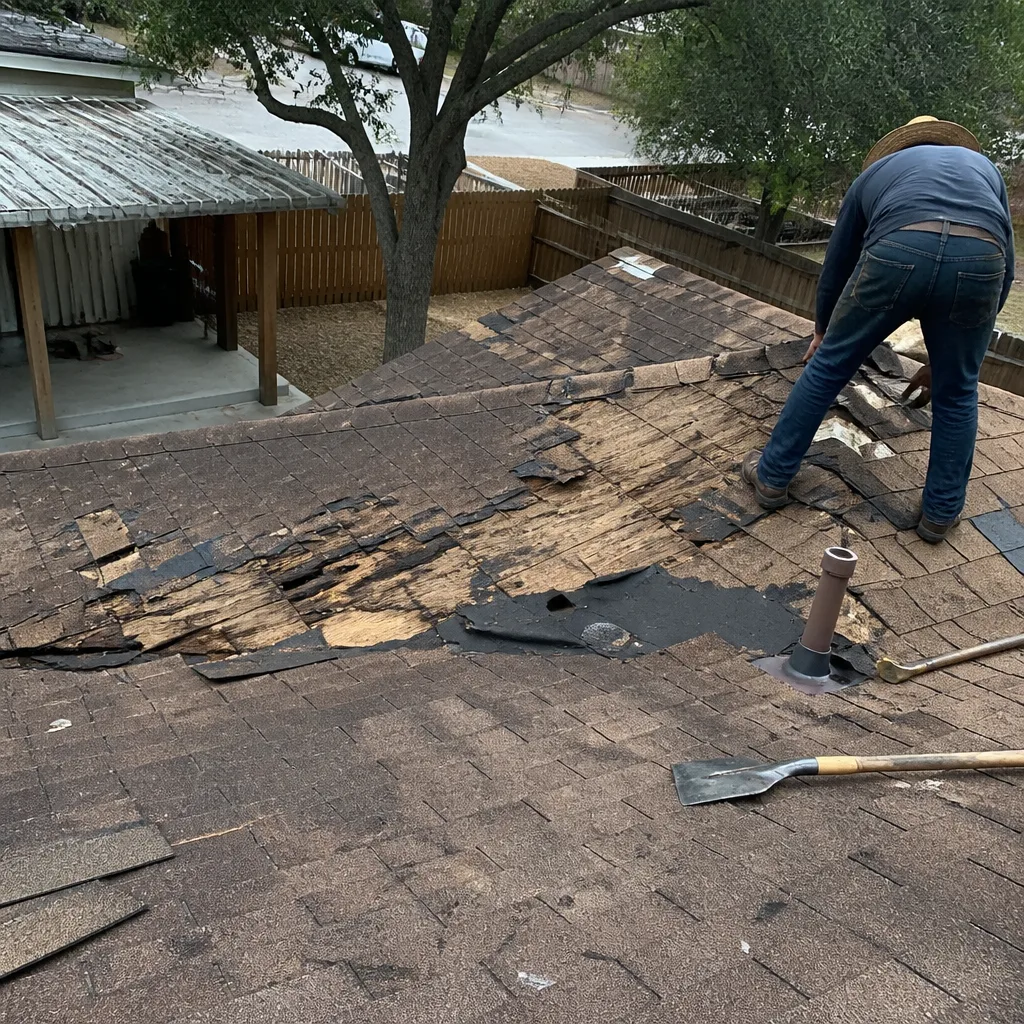 Before
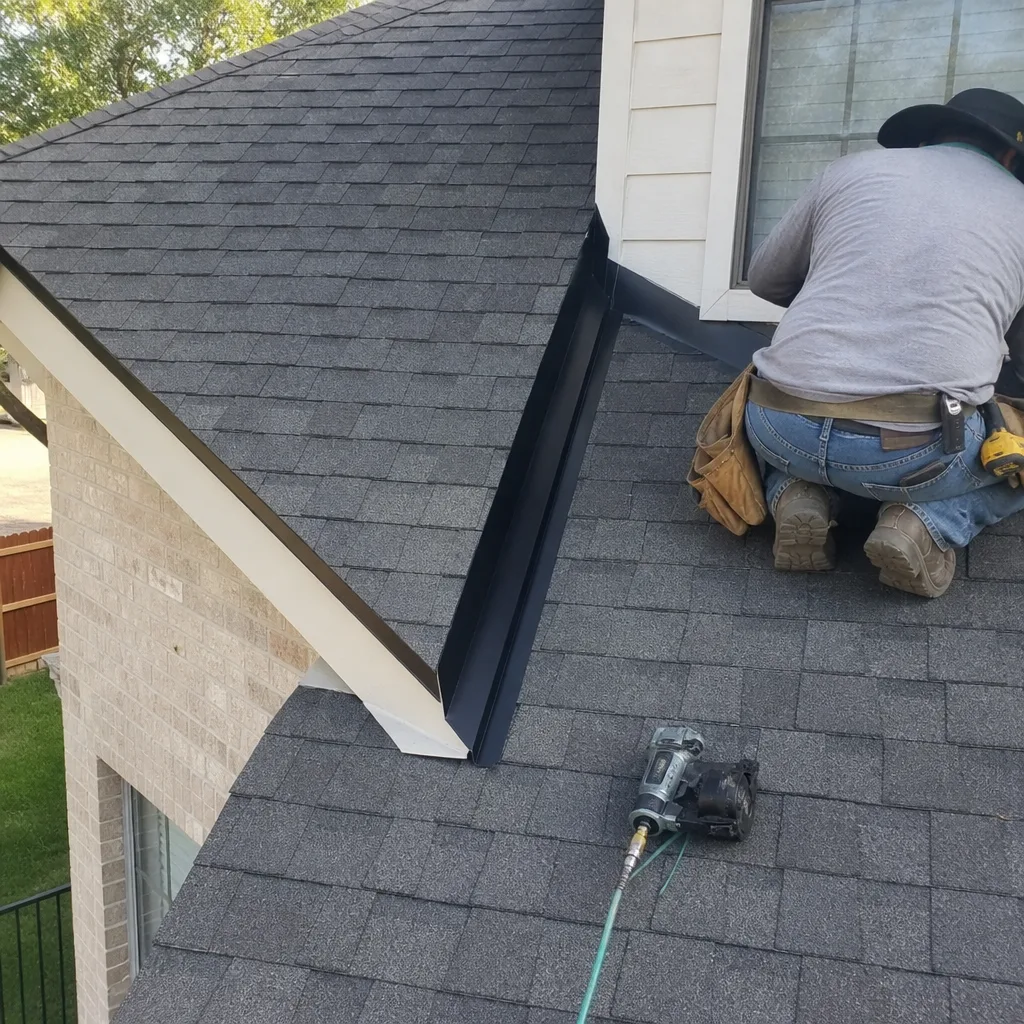 After
After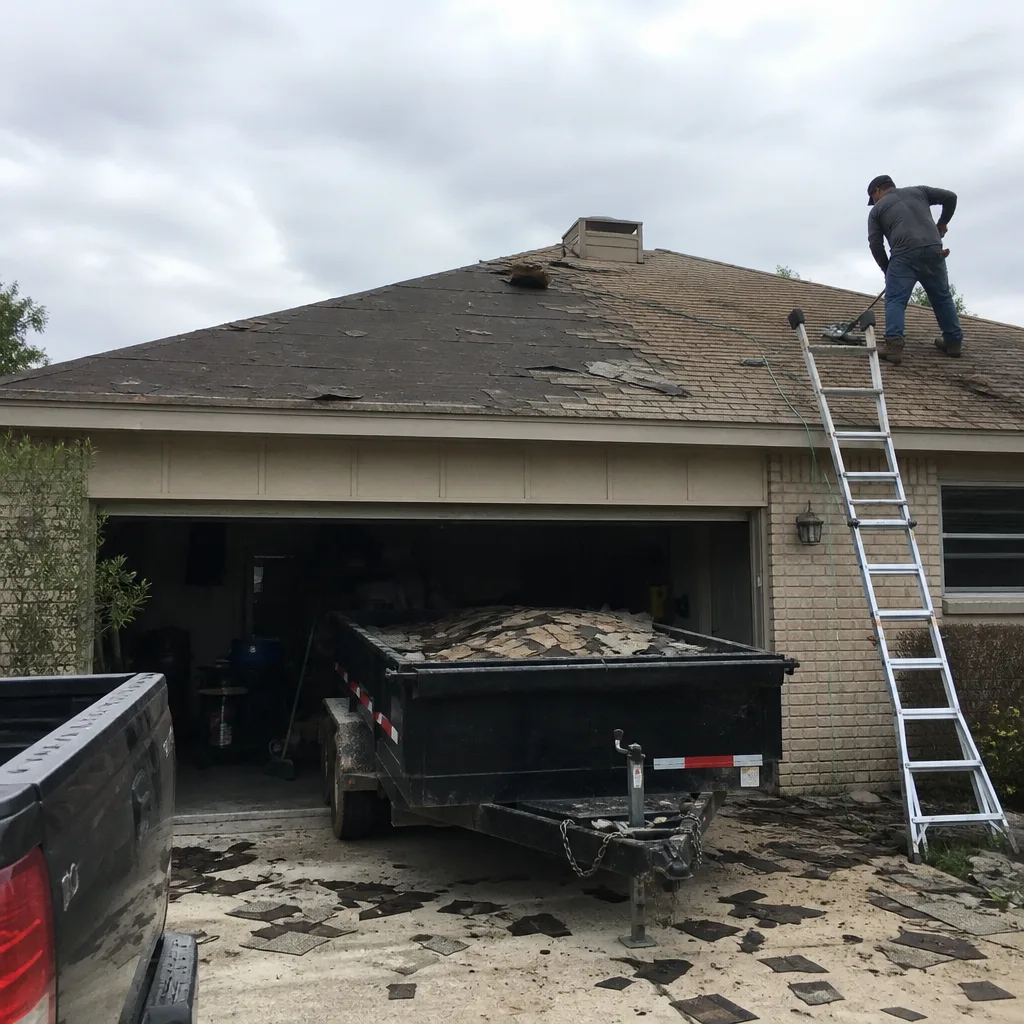 Before
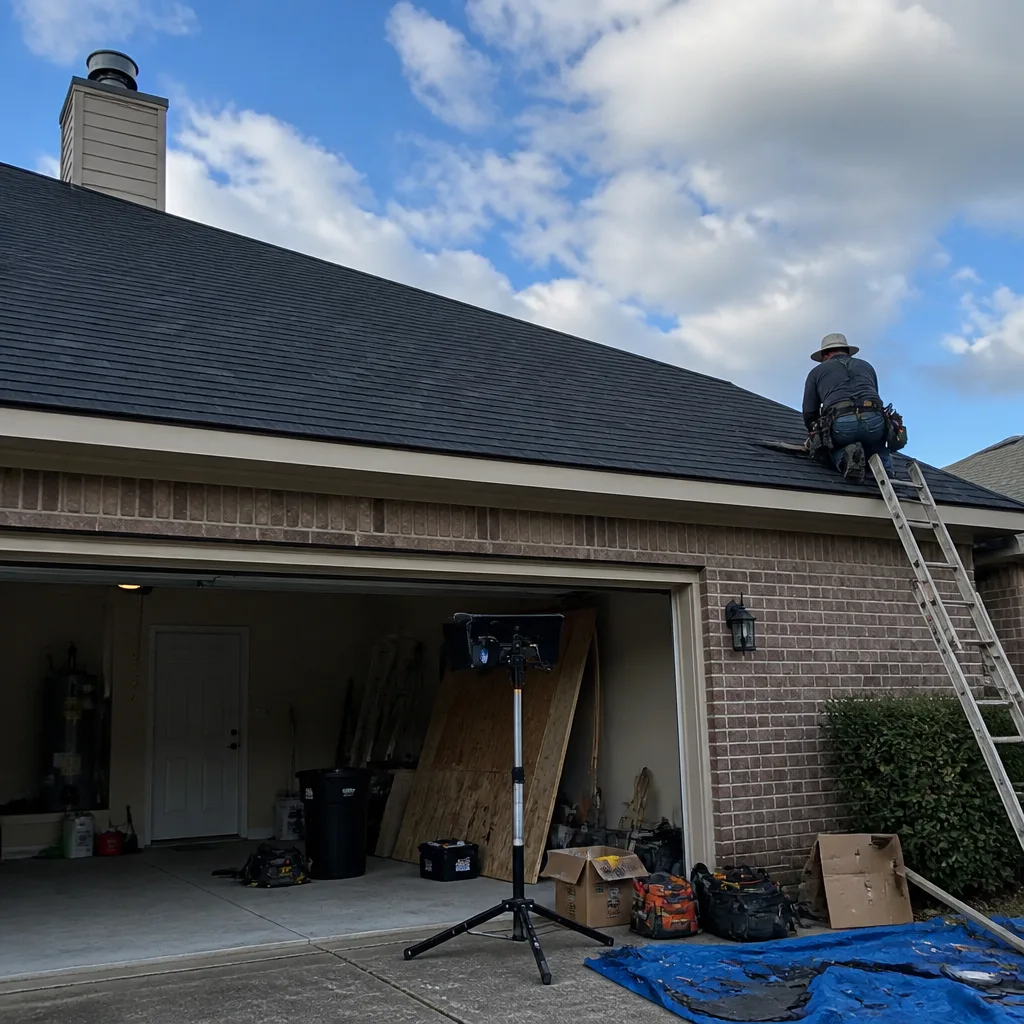 After
After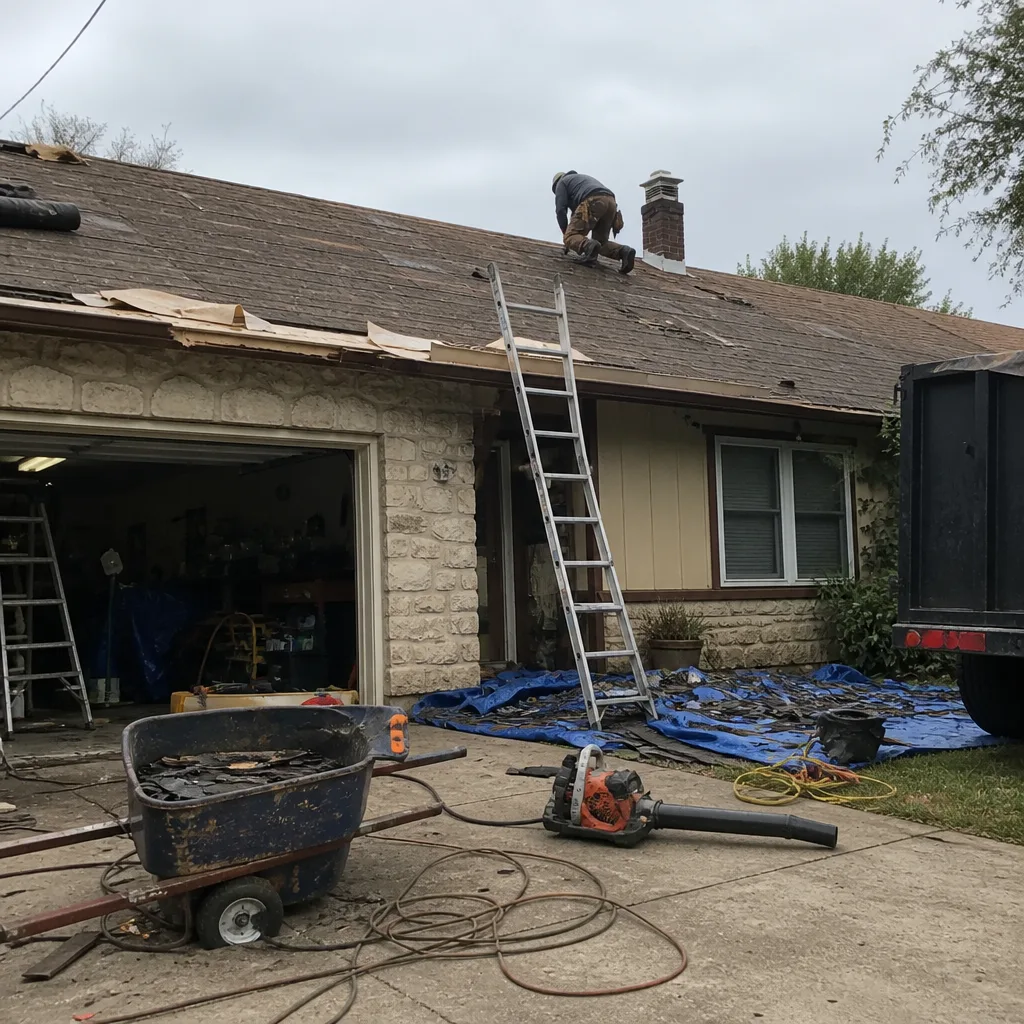 Before
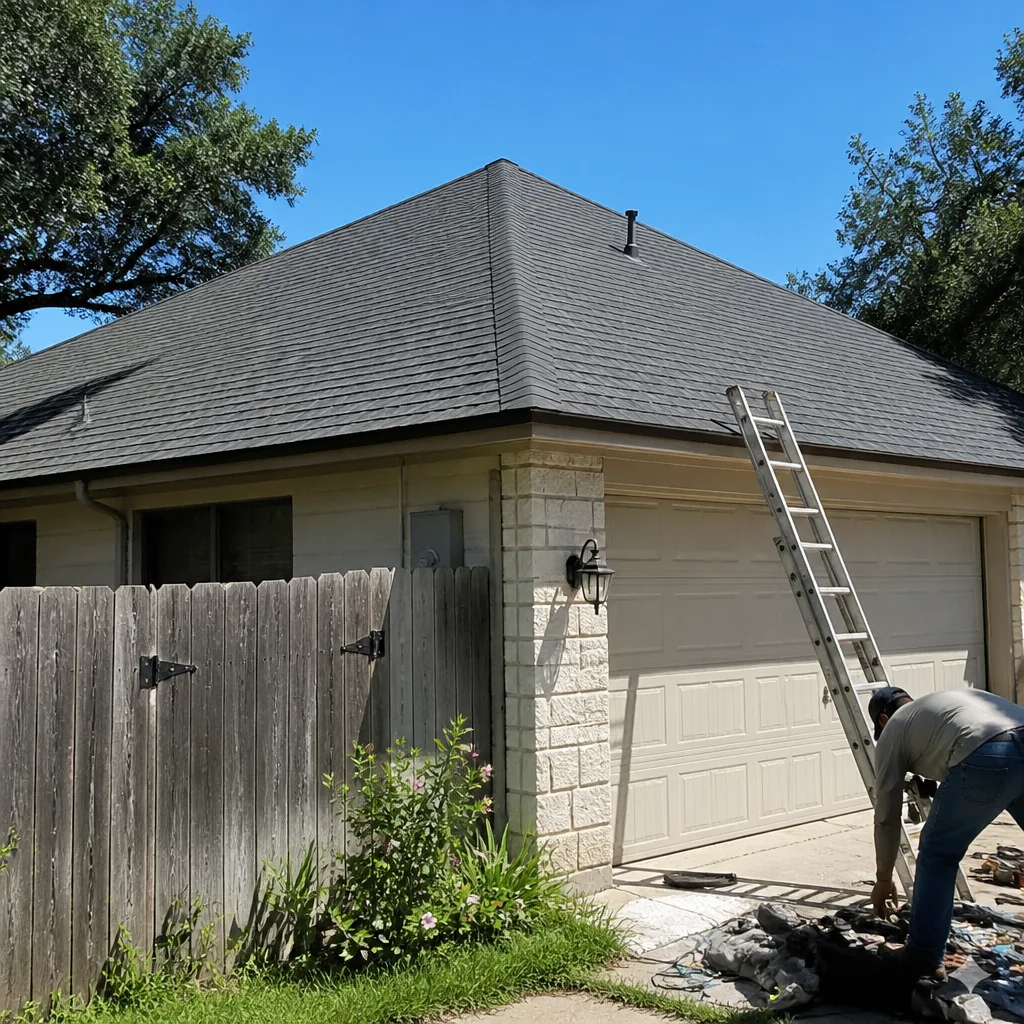 After
AfterWhen to Call a Professional
Call a professional roofer when you see water stains inside, missing shingles after a storm, granule loss collecting in gutters, or fascia boards separating from the roofline. Call before a small leak becomes a ceiling replacement. Call if your insurance adjuster’s scope doesn’t match what a local roofer says the roof actually needs. And call for a routine inspection twice a year, every year, hail season before and storm season before. Roofs fail slowly in San Antonio, then all at once. Catching the slow part is the cheapest roofing decision you’ll ever make. Mercer Roofing Co San Antonio offers free estimates in San Antonio. Call (254) 276-4369 to schedule yours, any day, any hour. A live person answers.
Frequently Asked Questions
A full tear-off and replacement with architectural shingles in San Antonio typically costs $4.50 to $7.75 per square foot, which means $9,000 to $15,500 for a standard 2,000-square-foot roof. Impact-resistant Class 4 shingles add 15% to 25% to the shingle line item, but insurance discounts often recover that premium within a few years. Call (254) 276-4369 for a written, line-item quote, free.
If your home is in Bexar County, the math on Class 4 impact-resistant shingles is almost always favorable. The upgrade typically costs under $500, while insurance wind/hail discounts in Texas run 15% to 35% on annual premiums. That recovers the upcharge in one to three years, then pays you every year after. Plus you’re protected when the next hailstorm hits. Call (254) 276-4369 and we’ll price both options so you can see the numbers side by side.
Most residential tear-off and replacement jobs in San Antonio take 1 to 2 days for the roof work itself, with a third day sometimes needed for steep or complex roofs. Weather delays are common in spring and fall. Permit scheduling and city inspection add a few days on either side. A written timeline is part of every estimate. Call (254) 276-4369 to discuss your specific roof and timeline.
If your roof was damaged by a covered event like hail or wind, and your policy is replacement cost value, your insurer covers the roof minus your deductible. But the adjuster’s initial scope often misses code-required items and undercounts square footage. A local roofer can file supplements with documentation to close that gap. If your policy is actual cash value on an older roof, the payout may be significantly reduced. Call (254) 276-4369 for straight answers on what your claim covers, and we’ll review your policy with you.
Yes. The City of San Antonio requires a permit for roof replacement, and the finished work must pass inspection by Development Services. A contractor who suggests skipping the permit is not doing you a favor. We pull the permit, schedule the inspection, and close it out. The passed inspection is your proof the roof was done to code.
Every repair Mercer Roofing Co San Antonio completes includes a written 365-day guarantee. If the repair fails within a year, we return and make it right, free. The guarantee is written, included with every job, and not conditional on anything. It’s the same standard we’ve held since the company was founded in 2000. Call (254) 276-4369 for details.
The Bottom Line
Roofing in San Antonio is a different animal than roofing elsewhere in Texas. The caliche soil moves your fascia. The hail corridor demolishes unprotected shingles. The hot attics cook cheap materials from underneath. And the storm-chaser contractor culture means homeowners need written protection more than in almost any other market in the country. The roof over your head is either an asset you understand or a liability you hope never fails. This guide gave you the numbers, the material facts, the licensing reality, and the questions to ask. If you want a written price, a 365-day guarantee, and a technician whose name and photo you’ll know before they knock, call Mercer Roofing Co San Antonio at (254) 276-4369. The estimate is free. The certainty is the point.
Written by Grant Whitlock, Owner at Mercer Roofing Co San Antonio, serving San Antonio since 2000.