
Last updated October 17, 2026
 Metal roofing
 Architectural shingles
 Tile roofing
 GAF
GAF Owens Corning
 Flat & low-slope
Free roof inspection with deck photos before we talk money - GAF and Owens Corning certified installation
Roofing Warning Signs: A San Antonio Homeowner’s Reference Guide
Most roofing articles tell you granule loss is a warning sign, but none of them tell you how much granule loss is normal for a San Antonio roof. A half-cup of granules per downspout after a rain is just aging. A full cup with no storm behind it means your shingles may have fewer than 18 months of waterproofing life left. Our Complete Guide to Roofing in San Antonio matches each warning sign to a specific urgency level and a real dollar range, so you know whether to monitor, schedule, or call this week. No guesswork, no fear-selling, just the specifics that matter when you’re standing in your driveway looking up at a San Antonio roof.
Quick Answer
Roof warning signs in San Antonio fall into three urgency tiers: monitor (granule loss under half a cup per downspout, minor moss on shaded north slopes), schedule within 90 days (lifted shingle edges, flashing gaps around vents, small ceiling stains), and call this week (daylight visible through the decking from the attic, active water intrusion, sagging ridge lines, or buckling decking). Most San Antonio homeowners can monitor minor signs for a season, as covered in our Seasonal Roofing Care for San Antonio: Year-Round Homeowner’s Guide, but structural signals like daylight through the decking override everything and warrant immediate professional evaluation.
Styles & brands we work with
Table of Contents
- Granule Loss: What’s Normal, What’s Not, and What It Costs
- The Three-Tier Urgency Framework Every San Antonio Homeowner Needs
- Interior Warning Signs That Trace Back to Your Roof
- San Antonio-Specific Signs Competitors Miss
- How to Photograph a Warning Sign for Insurance or Warranty Claims
- The One Sign That Always Overrides ‘Wait and See’
- What Roof Repairs Cost in San Antonio: Real Ranges
- Common Mistakes to Avoid
- When to Call a Professional
- Frequently Asked Questions
Granule Loss: What’s Normal, What’s Not, and What It Costs
Granules are the sand-like ceramic coating on asphalt shingles that block UV radiation and protect the asphalt underneath. When they wear off, the asphalt bakes in the Texas sun, dries out, and cracks. That’s the life cycle of a shingle in San Antonio, where July roof temperatures routinely exceed 160°F. The question is not whether granules will come off. The question is how fast.
Here’s what we’ve learned from inspecting thousands of San Antonio roofs: granule loss shows up in your gutters first. A half-cup or less per downspout after a strong rain is normal aging for a roof that’s five to ten years old. That roof has years left. A full cup after no storm, especially if the granules feel gritty between your fingers like coarse sand, means the shingle surface is failing faster than the roof ages. That roof needs a professional assessment within 90 days.
What you’re actually losing is not decoration. It’s the shingle’s only UV shield. Once the asphalt substrate is exposed, a San Antonio summer will degrade it in one season. In our experience, a roof showing heavy granule loss in October has a real chance of leaking by the following spring.
Granule Loss Tiers at a Glance
- Monitor: Less than half a cup per downspout after rain, shingles still feel smooth, roof is under 10 years old.
- Schedule within 90 days: Full cup or more in multiple downspouts, shingles feel rough or gritty, bald spots visible from the ground.
- Call this week: Bald asphalt patches shiny in sunlight, granules collecting at the base of the downspout like a sand dune, shingles cracking or curling at the edges.
Repair costs for granule-related issues in San Antonio typically run from $450 to $900 for a targeted shingle replacement on a small section. A full roof replacement, if the granule loss is widespread, lands between $8,000 and $16,000 depending on the size of the roof and the shingle brand. Brands like Owens Corning, CertainTeed, and IKO all carry granule-loss warranties, but those warranties are pro-rated after the first few years, so the payout may be smaller than you expect.
If you’re not sure whether what you’re seeing is normal, roof repair in San Antonio starts with a written assessment and a written price before any work begins.
The Three-Tier Urgency Framework Every San Antonio Homeowner Needs
Most warning-sign guides describe symptoms without telling you what to do about them, unlike our DIY vs Professional Roofing: The San Antonio Homeowner’s Decision Guide. That’s the gap. A homeowner sees a lifted shingle and wonders: is this a call today or a call next spring? Here’s the framework we use when we walk a San Antonio roof with a homeowner.
Tier 1: Monitor (check again in 30 to 60 days)
These signs indicate normal wear or environmental exposure, not active failure. Take a photo, mark the date, and check again in a month or two. If the sign has not changed, keep monitoring.
- Light granule loss under half a cup per downspout on a roof under 10 years old.
- Minor moss or algae on shaded north-facing slopes. Common in older neighborhoods like Monte Vista where oak canopies shade roofs year-round. Moss holds moisture but rarely causes immediate leaks.
- Small hail dings without exposed fiberglass mat. San Antonio hail storms are frequent in March through May, but not every ding is a leak risk.
- Slight darkening of shingle edges without lifting or curling.
Tier 2: Schedule Within 90 Days
These signs mean the roof’s protective envelope has been breached, but water has not yet caused interior damage. The roof will survive a season, but not two. San Antonio’s summer heat will accelerate every one of these conditions.
- Lifted or curled shingle edges on sun-facing slopes. The asphalt is drying out and losing adhesion.
- Flashing gaps around vents, pipes, or chimneys. Metal flashing expands and contracts with temperature swings. San Antonio’s 30-degree overnight drops in fall pull caulk joints apart.
- Small ceiling stains in a second-floor room. This means water has penetrated the decking and is traveling. It’s not an emergency, but it will not self-heal.
- Missing shingles after a storm. One or two missing shingles on a 15-year-old roof is a 90-day item. If the underlayment is intact, you have some time.
Tier 3: Call This Week
These signs indicate active water intrusion or structural compromise. Water is either inside the home or will be within the next rain event. Do not monitor these signs. Call now.
- Daylight visible through the roof decking from inside the attic. This is the single most serious sign in this guide. See the dedicated section below.
- Active dripping or water stains that grow after a rain. The leak is live, not historical.
- Sagging ridge lines or a roofline that looks wavy from the street. The decking is likely water-damaged and losing structural capacity.
- Buckling or lifting decking visible in the attic. Water has saturated the plywood or OSB. The roof system is compromised.
- Multiple missing shingles across a large section after a severe storm, especially if you can see exposed decking from the ground.
Interior Warning Signs That Trace Back to Your Roof
Most guides start with the roof itself. We start with the inside of the house, because that’s where homeowners actually spend their time. Interior signs are often the first indicators that something above you has failed, and they’re the signs most commonly misattributed to other causes.
Attic Temperature Above 130°F in October
San Antonio in October is still warm, but an attic that reads above 130°F on a 75°F day indicates inadequate ventilation. The roof is trapping heat, which cooks the shingles from below and accelerates granule loss and asphalt degradation. Proper attic ventilation for a San Antonio home requires a balance of intake vents at the eaves and exhaust vents near the ridge. If your upstairs bedrooms are noticeably hotter than downstairs in October, the problem is likely not your AC. It’s your roof ventilation.
Drywall Nail Pops Near Exterior Walls
Nail pops, those small circular bumps that appear in drywall, are often dismissed as cosmetic settling. But when they appear near exterior walls on the upper floor of a San Antonio home, they can indicate decking movement. The roof decking expands and contracts with moisture and heat. If it’s shifting, it transmits that movement through the framing to the drywall. We’ve seen clusters of nail pops along a second-floor hallway that trace directly to a roof deck saturated by a slow flashing leak that had never stained the ceiling. A single nail pop is nothing. A cluster of five or six along the same wall is a check-this-month item.
Musty Smell in Second-Floor Closets
That musty smell in an upstairs linen closet is not just a housekeeping issue. It’s the smell of organic material, usually drywall or wood, that has gotten wet and is retaining moisture. In San Antonio’s climate, a roof leak can saturate attic insulation without ever producing a visible ceiling stain. The water travels along framing members and pools in low spots. The first sign is often not a stain. It’s the smell. If you notice a musty odor in a closet, especially after a rain, check the attic above that closet for damp insulation or a darkened deck.
San Antonio-Specific Signs Competitors Miss
National roofing guides cannot tell you about the warning signs unique to San Antonio’s building stock and climate. Here are three signs we see on San Antonio homes that generic guides never mention.
Stucco Cracking at the Roofline (Fascia Board Rot)
San Antonio has a massive number of stucco-clad homes, particularly in neighborhoods like Terrell Hills, Alamo Heights, and the mid-century developments around North Star Mall. Stucco cracks at the roofline do not mean the stucco is failing. They usually mean the fascia board behind the stucco is rotting from water that has been running off the roof edge or behind the gutter. The fascia swells, the stucco, which is rigid, cracks. By the time the crack is visible from the ground, the fascia board has likely been wet for months. This is a schedule-within-90-days item, and if the crack is wide enough to fit a quarter, make it call-this-week.
AC Condensate Line Backup Causing Soffit Staining
San Antonio air conditioners run hard from April through October. The condensate drain line, which carries water away from the AC unit, often runs through the attic or along the soffit of a San Antonio home. When that line clogs, the water backs up and overflows, staining the soffit from above. Homeowners call us thinking they have a roof leak. The roof is fine. The AC line is the problem. Here’s how to tell the difference: if the soffit stain is directly below an AC unit or along the line’s path, and the stain grows even when it hasn’t rained, the problem is the condensate line, not the roof. Fix the AC line first, then have the stained soffit inspected.
Flat-Roof Ponding Thresholds on San Antonio’s Low-Slope Homes
San Antonio has an unusual number of flat and low-slope roofs, particularly on mid-century modern homes and commercial structures built in the 1950s and 60s around the Olmos Basin and the older sections of Northeast San Antonio. On a low-slope roof, water should drain within 48 hours after a rain. If water is still ponding in the same spot 48 hours after the rain stops, that’s a problem. The industry standard for flat roofing is that standing water remaining more than 48 hours accelerates membrane degradation significantly. In San Antonio, where the sun then heats that ponding water to well over 100°F, the roof membrane is essentially being slow-cooked. If you have a flat or low-slope section and you can see standing water from a second-story window two days after a rain, schedule a professional evaluation. The ponding area is the first place the roof will fail.
How to Photograph a Warning Sign for Insurance or Warranty Claims
Documentation matters. Insurance adjusters and shingle manufacturers want specific things in claim photos, and if your photos are bad, your claim is weaker. Here’s how to photograph a roof warning sign properly, step by step.
- Use daylight, not flash. Flash creates glare on shingles and washes out granule loss detail. Photograph between 9 a.m. and 3 p.m. on a clear day. For interior damage, use a flashlight held at a low angle to create shadows that reveal surface texture.
- Shoot from a ladder at the roofline, not from the ground. Ground-level photos of roof damage rarely show what the adjuster needs to see. If you are not comfortable on a ladder, hire a professional to take the photos. Do not get on the roof itself.
- Include a reference object for scale in every shot. A quarter works for granule density and small cracks. A dollar bill works for decking gaps. A yardstick works for sagging sections. We’ve seen claims denied because the adjuster could not tell if a gap was an eighth-inch or a half-inch.
- Take three shots per sign: wide, medium, and close. The wide shot shows the sign in context on the roof. The medium shot shows the specific area. The close shot shows the detail. Adjusters and warranty departments want all three.
- Photograph the sign with the date and address visible somewhere. A newspaper front page, a phone screen showing the date, or a piece of paper with the address written on it. This establishes when the photo was taken.
- For interior stains, photograph from below showing the stain and from above in the attic showing the source. The below shot proves water got in. The above shot proves where it came from. Without both, you cannot prove cause.
The One Sign That Always Overrides ‘Wait and See’
Daylight visible through the roof decking from inside the attic is the single most serious warning sign in this entire guide. There is no monitor tier for this sign. There is no schedule-within-90-days tier. If you can see daylight through the decking, even a pinhole, the roof’s structural layer has been breached all the way through. Water has a direct path into your attic. The roof is no longer performing its single most important job.
We use this as the override rule: any sign of daylight through the decking means the decking has either rotted through or been punctured. The opening is always larger than it appears from the attic side, because roofing materials above it are also damaged. In San Antonio, where a single afternoon thunderstorm can drop an inch of rain in 20 minutes, a pinhole in the decking becomes a ceiling stain within one storm.
Do not attempt to patch decking from the inside. Do not squirt caulk into the gap. Do not wait until the next rain to see what happens. Call a roofing professional this week. The fix is almost always more extensive than the pinhole suggests, and the longer water has been migrating along the decking, the larger the repair area will be.
What Roof Repairs Cost in San Antonio: Real Ranges
You should know what to expect before you call. These are real price ranges we see for common roof repairs in the San Antonio market as of the current year. Every project is different, and the only way to get an exact price is an on-site inspection, but these ranges will help you plan.
| Repair Type | Typical Range in San Antonio | Notes |
|---|---|---|
| Targeted shingle replacement (small section) | $450 – $900 | Blown-off or granule-bald shingles on a small area |
| Flashing repair around a vent or pipe | $350 – $700 | Depends on accessibility and whether decking is damaged |
| Gutter repair or replacement (per 10 linear feet) | $200 – $450 | More if fascia boards are rotted behind the gutter |
| Decking replacement (per 4×8 sheet) | $100 – $250 | Plus shingle and underlayment replacement on top |
| Soffit and fascia repair (per 10 linear feet) | $350 – $800 | More on stucco-clad homes where stucco repair is needed |
| Full roof replacement (small to mid-size San Antonio home) | $8,000 – $16,000 | Depends on roof size, shingle brand, and decking condition |
| Flat-roof membrane repair (per 100 square feet) | $600 – $1,400 | Higher for torch-down or TPO systems with extensive ponding damage |
These ranges assume standard asphalt shingle roofs with typical San Antonio roof pitches. Steeper roofs, tile, metal, and slate will run higher. When you call a roofing company in San Antonio, ask for a written line-item price before any work is authorized. At Mercer Roofing Co San Antonio, every job starts with a written price and a written guarantee on every repair. No surprises on the invoice, ever.
For a full replacement, the shingle brand matters. We install and repair using a range of manufacturer-recognized brands including GAF, CertainTeed, Owens Corning, and IKO, and the brand you choose affects the total cost by roughly 10 to 15 percent. Ask what brands a roofer works with, and ask to see the manufacturer’s installation specifications so you know the warranty will be honored.
Common Mistakes to Avoid
- Waiting for a ceiling stain before acting. A roof can leak for months before water shows up on your ceiling. Water travels along framing and pools in insulation. By the time you see a stain, the decking and insulation above that spot may already be saturated.
- Assuming granule loss alone means you need a new roof. Granule loss in moderation is normal aging. A San Antonio roof that sheds half a cup of granules per downspout after a rain still has years left. Get an inspection before agreeing to a replacement.
- Patching from the inside. We’ve seen homeowners caulk decking gaps from inside the attic. It does not work. Water finds the gap anyway, and the caulk traps moisture against the wood, accelerating rot.
- Using a general handyman for roof repairs. Roofing in San Antonio requires knowledge of Texas wind-load standards, manufacturer installation specs, and proper flashing techniques. A handyman who does not know GAF or Owens Corning installation requirements can void your shingle warranty.
- Ignoring the attic until something smells. Many San Antonio homeowners never go into their attic. By the time the musty smell reaches the living space, the problem has been active for months. Set a calendar reminder to check your attic twice a year, in April and October.
- Assuming insurance will cover everything. Texas homeowner insurance policies have specific exclusions for wear and tear, neglect, and pre-existing conditions. Granule loss and aged shingles are typically not covered. Storm damage from hail or wind is covered, but only if you file within the policy’s time window. Document everything with dated photos.
- Choosing a roofer based on price alone. San Antonio has a wide range of roofing contractors, and the lowest bid often means shortcuts on underlayment, flashing, and decking inspection. Ask what is included in the price, what is written in the guarantee, and whether the technicians are background-checked and identity-verified before they arrive at your door.
When to Call a Professional
Call a professional this week if you see daylight through the decking from the attic, active water intrusion after a rain, a sagging ridge line, or buckling decking. Call within 90 days for lifted shingles, flashing gaps, small ceiling stains, or heavy granule loss. Call for a maintenance inspection once a year even if nothing looks wrong. A roof over 15 years old in San Antonio should be inspected annually, because the sun and hail exposure in this region ages shingles faster than the national average. Mercer Roofing Co San Antonio offers free estimates in San Antonio. Call (254) 276-4369 to schedule one.
Frequently Asked Questions
Roof inspections in San Antonio typically cost between $150 and $400 when billed as a standalone service, but many roofing companies, including Mercer Roofing Co San Antonio home, offer free inspections and estimates for homeowners who suspect storm damage or wear issues. Call (254) 276-4369 to schedule a free estimate in San Antonio.
An asphalt shingle roof in San Antonio typically lasts 15 to 20 years, compared to the national average of 20 to 25 years. The combination of relentless summer heat, high UV exposure, and frequent spring hail storms accelerates shingle degradation. Roofs with poor attic ventilation may fail in as little as 10 to 12 years. Roof installation in San Antonio should always include a ventilation assessment to maximize shingle life.
Homeowners insurance in Texas typically covers roof replacement if the damage was caused by a covered peril such as hail, wind, or a falling tree. It does not cover wear and tear, granule loss from aging, or neglect. Document damage with dated photos and contact your insurer promptly, as Texas policies have filing deadlines, often one year from the date of the storm event.
The most common roof problem in San Antonio is granule loss accelerated by extreme heat exposure and UV radiation. It shows up as gritty sand in gutters, bald shingle patches, and reduced shingle reflectivity. While granule loss alone is not an emergency, it is the leading reason San Antonio roofs need replacement earlier than the national average.
If a soffit or ceiling stain appears directly below your AC unit or along the condensate line path, and the stain grows even when it does not rain, the problem is likely a clogged AC condensate line, not the roof. If the stain grows specifically after rains, or is located away from the AC path, the problem is more likely the roof. A professional inspection can determine the source.
Photograph the sign using the documentation steps in this guide, note the date, and call a professional for an assessment. In San Antonio, a written roof assessment typically costs little or nothing, and it gives you a definitive answer about whether to monitor, schedule, or act immediately. Call (254) 276-4369 to schedule a free estimate with Mercer Roofing Co San Antonio.
The Bottom Line
Roof warning signs are manageable when you know what they mean and when to act. Granule loss under half a cup per downspout is normal. Daylight through the decking is not. San Antonio’s climate punishes roofs harder than most of the country, which means warning signs here move from monitor to call-this-week faster than in other cities. Document everything with photos, inspect your attic twice a year, and get a written price before any work begins. When a warning sign shows up, the decision should be clear: monitor it, schedule it, or call this week. If you are not sure which tier you are in, call (254) 276-4369 and we will help you figure it out.
Written by Grant Whitlock, Owner at Mercer Roofing Co San Antonio, serving San Antonio since 2000. For more guides & resources, visit our blog.
See the difference
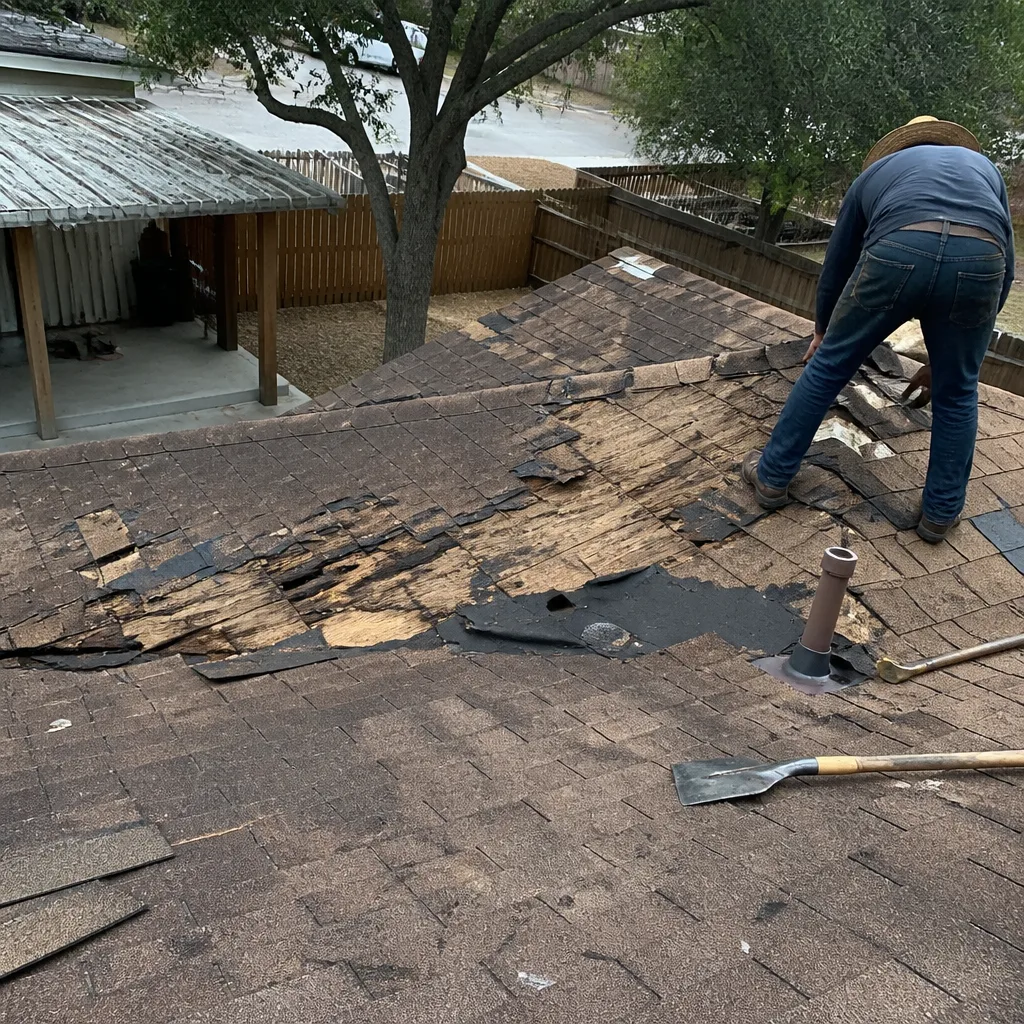 Before
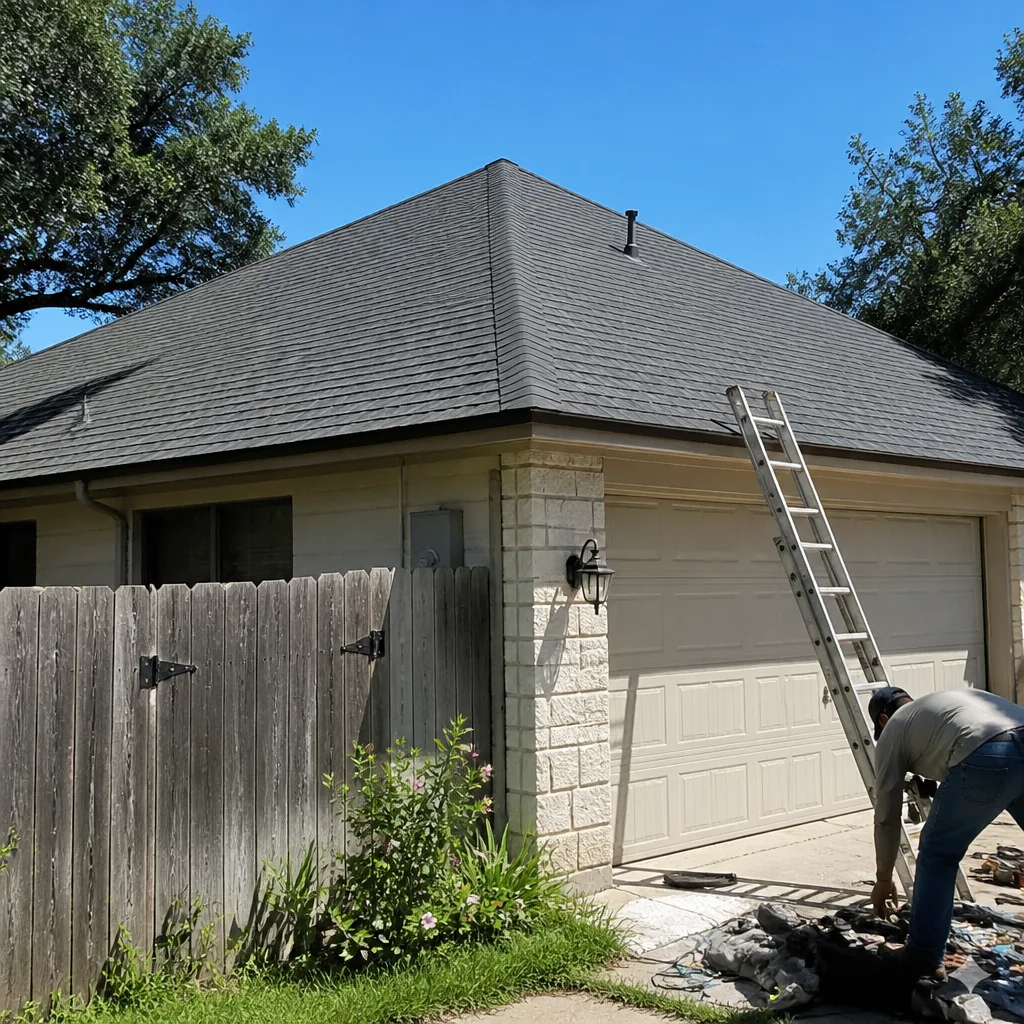
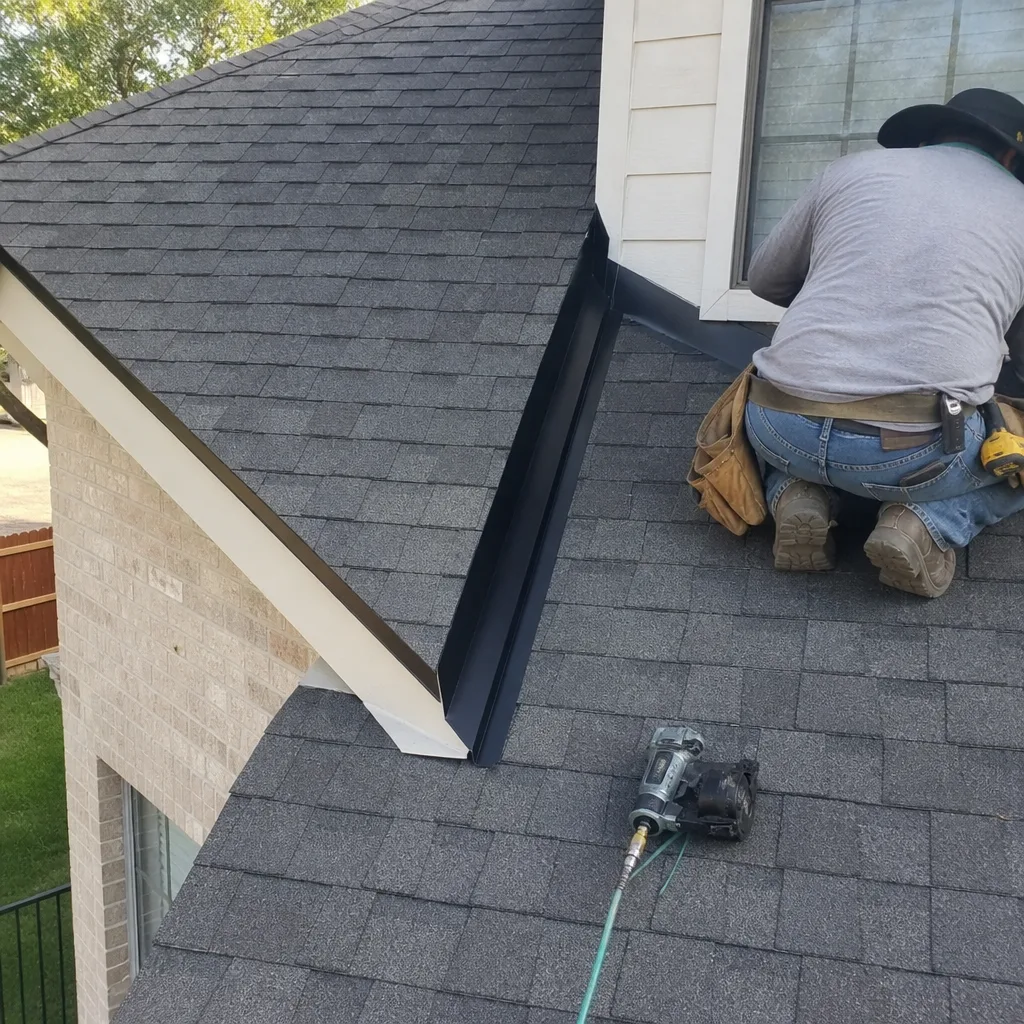 After
After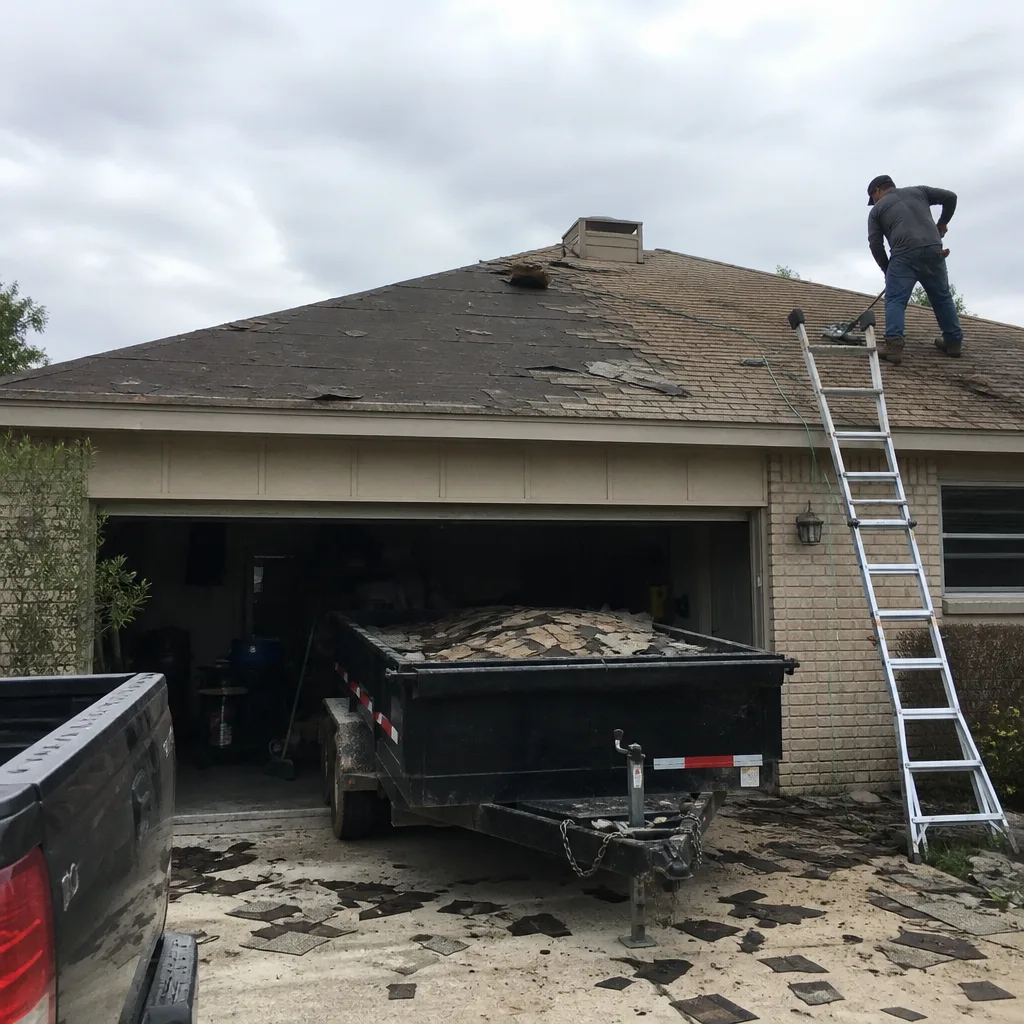 Before
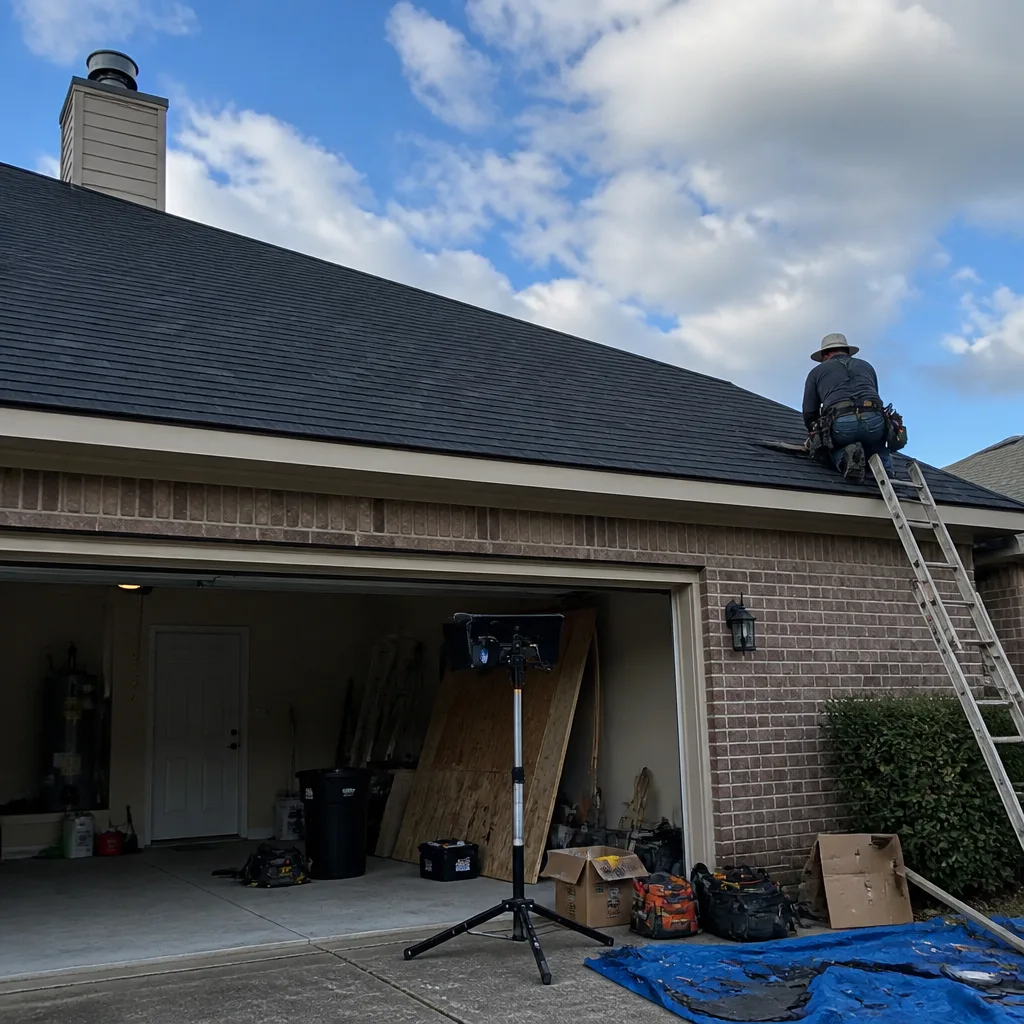 After
After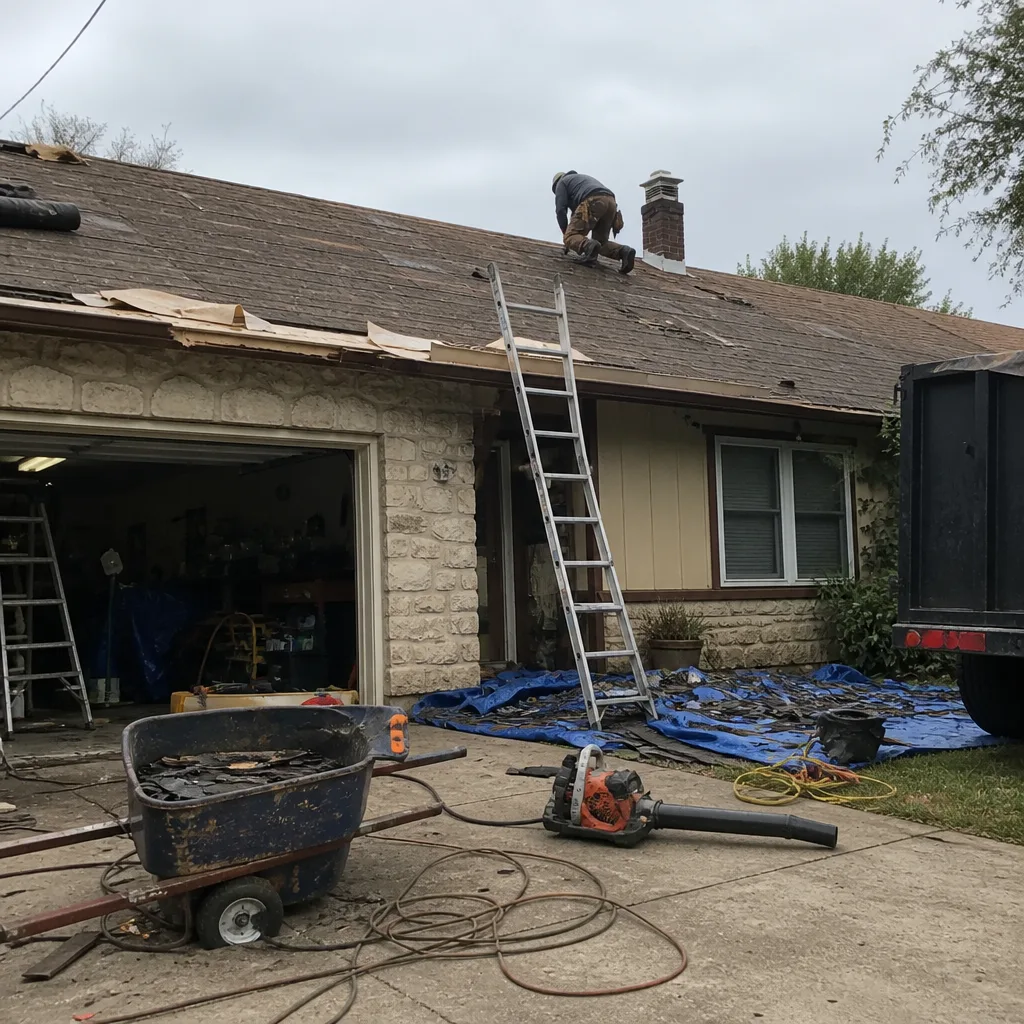 Before
 After
After