
Last updated October 17, 2026
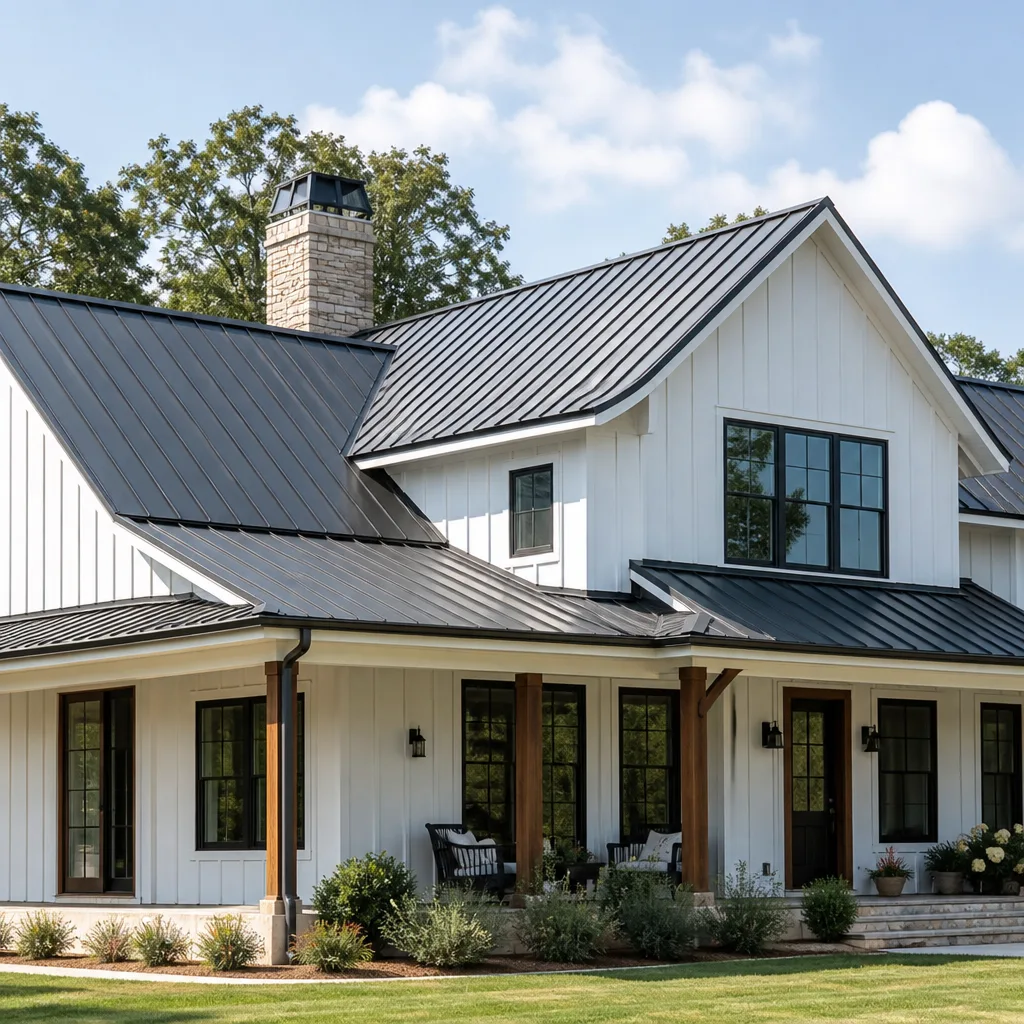 Metal roofing
 Architectural shingles
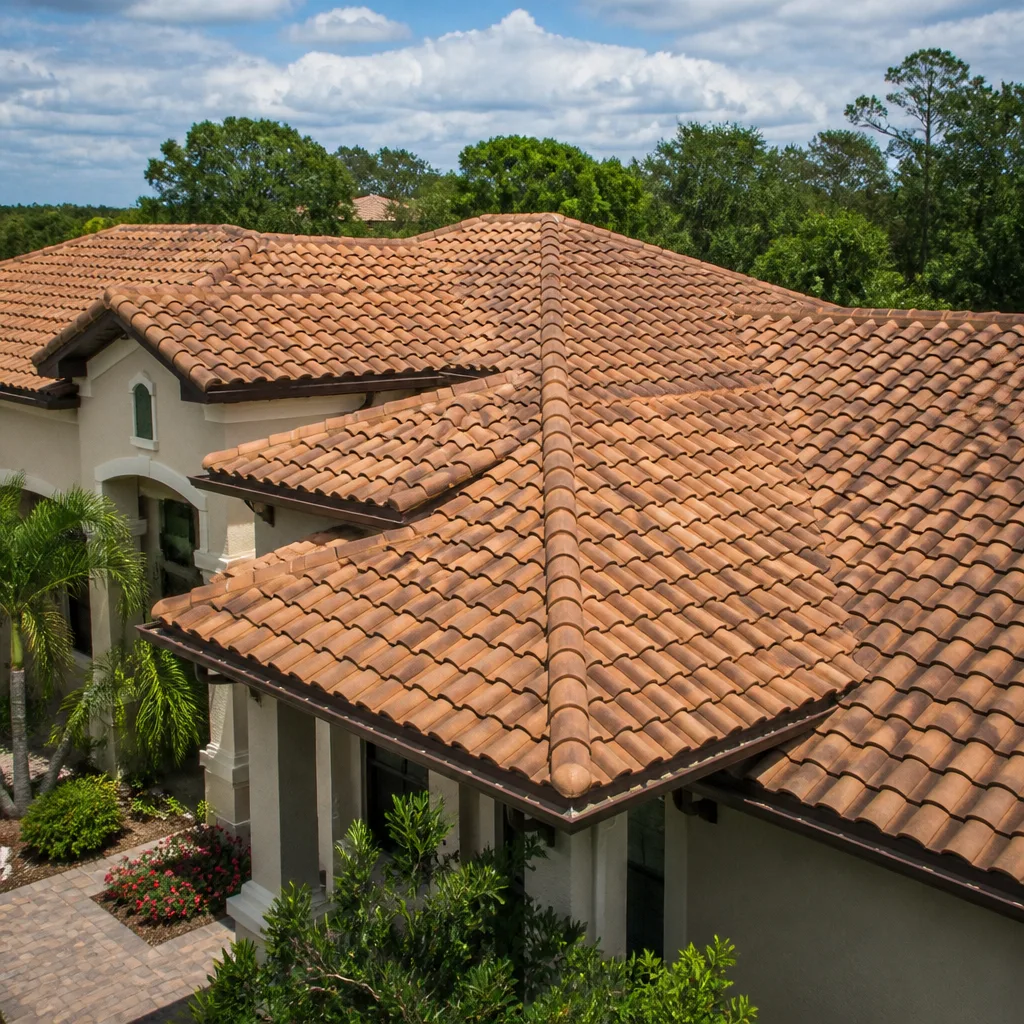 Tile roofing
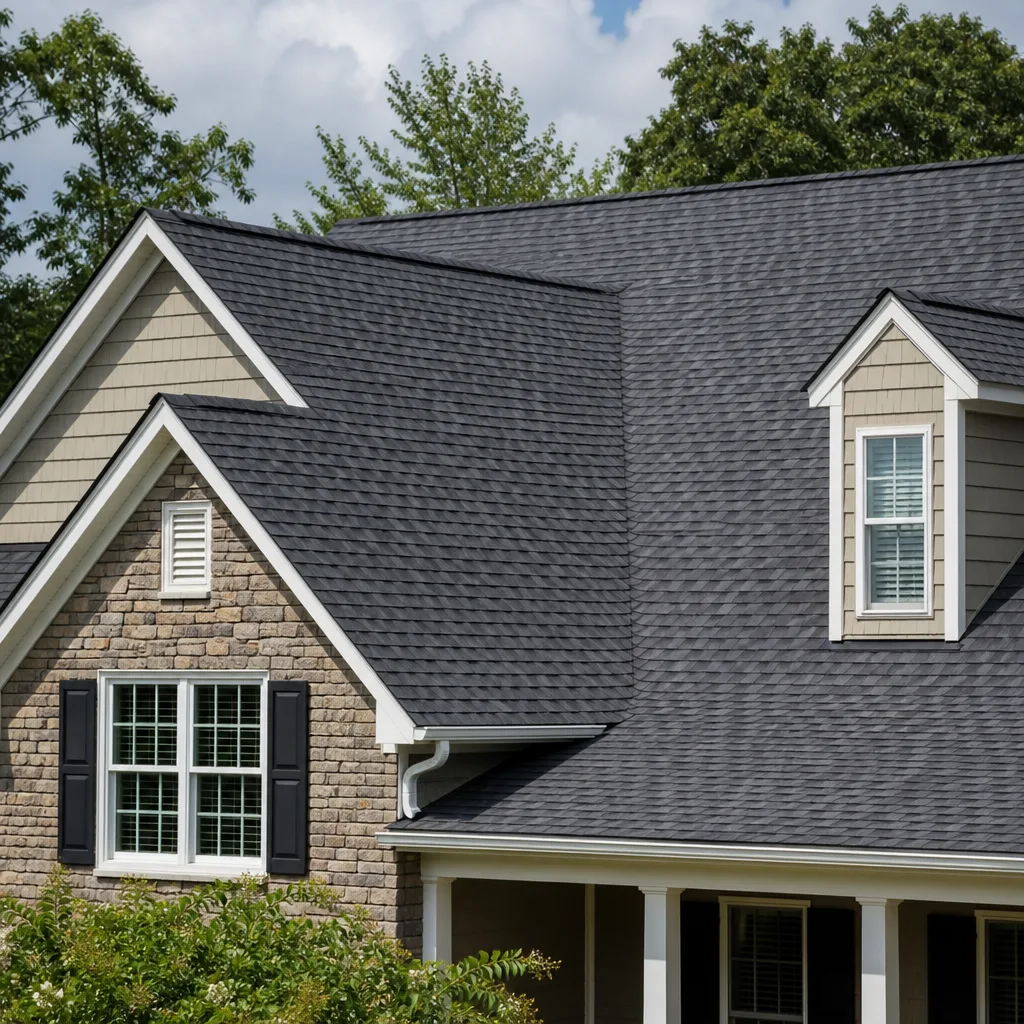 GAF
GAF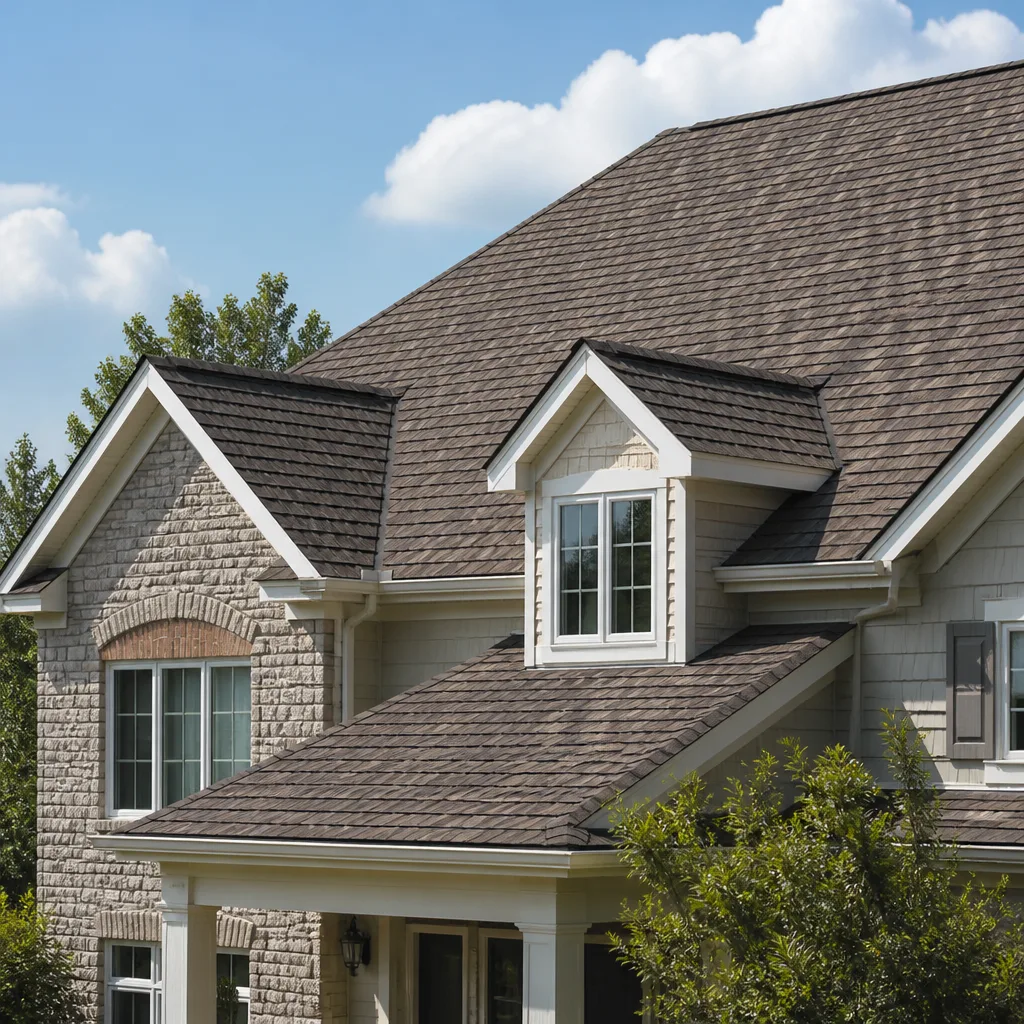 Owens Corning
 Flat & low-slope
Free roof inspection with deck photos before we talk money - GAF and Owens Corning certified installation
How to Hire a Roofing Contractor in San Antonio: A Step-by-Step Guide
After the April 2023 hailstorm, the Texas Department of Insurance logged more than 400 complaints about San Antonio roofing contractors in a single quarter. Almost every one of those complaints began the same way: a knock on the door, a clipboard, and a handshake. This guide and our more guides & resources will teach you how to separate verifiable accountability from polished salesmanship before anyone climbs onto your roof. You’ll learn which five documents filter out most bad actors, why door-to-door roofing solicitation sits in a legal gray area under Texas law, and what a real workmanship warranty actually looks like on paper.
Quick Answer
To hire a roofing contractor in San Antonio, verify their Texas registration and insurance first, request a written scope of work with an itemized material spec sheet before signing, and confirm their workmanship warranty is stated in writing for at least 365 days. Never hire from a door knock without checking the Roof Repair Maintenance Checklist for San Antonio Homeowners and the five documents outlined below. A contractor who won’t provide written proof of insurance, a written price, and a written guarantee is not someone you want on your roof.
Styles & brands we work with
Table of Contents
- The Five Documents to Request Before Signing Anything
- Why Door-to-Door After a Storm Is a Legal Gray Area in Texas
- How to Verify a Contractor’s Identity Before They Arrive
- Red Flags in Written Roofing Contracts
- What a Legitimate Workmanship Warranty Looks Like in Writing
- What Roofing Actually Costs in San Antonio: 2026 Price Ranges
- Questions to Ask Before You Sign
- Common Mistakes to Avoid
- When to Call a Professional
- Frequently Asked Questions
The Five Documents to Request Before Signing Anything
Most homeowner disputes with San Antonio roofers come down to one thing: something was promised verbally and never put on paper. The simplest way to protect yourself is to request five documents upfront. A legitimate contractor will provide all five without hesitation. A contractor who stalls on any one of them is telling you something.
- Texas Contractor Registration. Texas doesn’t license roofers the way some states do, but roofing contractors must register with the state. Ask for their registration number and verify it. If a company can’t produce any state-level registration, that’s a non-starter.
- Certificate of Insurance with Your Address Listed. Request a certificate of insurance (COI) that lists your specific property address as “additionally insured.” This proves the policy is active on the day the work happens at your home. Generic COIs that don’t name your address can be recycled from past jobs.
- Written Scope of Work. Every task the roofer will perform should be described in plain English: what gets torn off, what gets replaced, what’s inspected, what’s resealed. If it’s not in the scope, assume it’s not included.
- Itemized Material Spec Sheet. You should see exact shingle brand and model, underlayment type, flashing gauge, drip edge specification, and ventilation products. “Architectural shingles” is not a spec. “GAF Timberline HDZ in Charcoal” is a spec.
- Written Workmanship Guarantee. This is a separate document from the manufacturer’s material warranty. It covers the labor, not the shingle. It should state the coverage period, what’s included, what’s excluded, and exactly who to contact if something fails.
In our experience working across San Antonio, the written scope of work and the material spec sheet are the two documents most often skipped by sales-focused operations. They’ll promise “a full replacement” without ever specifying what that means. You deserve better. If you want to see how this works on a repair-focused job, take a look at how Roof Repair in San Antonio gets documented before work begins.
Why Door-to-Door After a Storm Is a Legal Gray Area in Texas
Texas has laws specifically because aggressive post-storm roofing solicitation is a recurring problem. Chapter 58 of the Texas Business & Commerce Code deals with deceptive roofing practices, particularly around storm-related work. What many San Antonio homeowners don’t realize is that certain door-to-door behaviors cross from aggressive marketing into something a court can view as deceptive solicitation.
The law targets practices like claiming you owe nothing because “insurance will cover it all,” pressuring you to sign an assignment of benefits that hands control of your insurance claim to the contractor, or promising a “free roof” that mysteriously becomes a financed loan. These aren’t just poor business practices. They can be legal violations.
Here’s what to watch for after any San Antonio hailstorm:
- The knock that feels urgent. A legitimate roofer doesn’t need to pressure you to decide at your front door.
- The “we found damage on your neighbor’s roof” opener. This is a known script. The goal is to move you from skeptical to curious in one sentence.
- The insurance assignment ask. If someone wants you to sign over your claim rights before you’ve even spoken to your adjuster, stop.
- The no-paper-price. Anyone who won’t write down a number and let you keep the paper is not operating like a business.
We’ve replaced roofs in San Antonio neighborhoods like Alamo Heights and Stone Oak where homeowners kept the original storm-chaser flyer on their counter for months, waiting to see if the roofer came back. Many never did. The threshold question is simple: can you verify this person exists beyond the truck in your driveway? If not, you’re not hiring a roofer. You’re gambling.
How to Verify a Contractor’s Identity Before They Arrive
This is the step most hiring guides skip entirely, and it’s the one that matters most for San Antonio homeowners who are home alone, managing young kids, or caring for an older parent. You’re not just hiring a company. You’re opening your front door to an individual human being. You should know who that person is before they knock.
Here’s what we recommend:
- Ask for the technician’s name before the visit. Not “a tech will be out Wednesday.” The actual name. Write it down.
- Ask for a photo. Some companies, including ours, send the technician’s name and photo ahead of every appointment. You will know exactly who should be standing on your porch.
- Check the ID badge at the door. Before you unlock the deadbolt, look through the peephole or window. The person should match the photo and be wearing a company uniform. Ask to see a photo ID badge. A legitimate technician will already have it clipped to their shirt.
- Verify the truck. Is it a marked company vehicle? Does it look maintained, or does it look like a personal truck with a magnetic decal slapped on the back?
At Mercer Roofing Co San Antonio home, every technician works under the Threshold Verified standard. That means background-checked, identity-verified, uniformed, and photographed before arrival. The name and photo are sent to you in advance. This is not standard in the roofing industry because most companies don’t want the administrative burden. But when you’re the person opening the door, the burden is exactly what protects you.
Red Flags in Written Roofing Contracts
You’ve probably heard “read the contract.” What nobody tells you is what to look for. After seeing thousands of roofing contracts cross desks in San Antonio, here are the specific red flags we tell every homeowner to scan for before signing:
- “Price subject to change.” This phrase in a roofing contract is a license to inflate the final invoice. A written scope of work with a fixed price should stay fixed unless you change the scope. If the language allows for open-ended price adjustments, cross it out or walk away.
- Unsigned material allowances. Some contracts include an “allowance” for materials, meaning the contractor estimates a number but can bill the actual cost later. If the allowance isn’t signed by both parties and capped in writing, the word “allowance” becomes a blank check.
- Mandatory arbitration waiving your right to BBB or TRCC complaints. Binding arbitration clauses can prevent you from filing complaints with the Better Business Bureau or pursuing action through state channels like the Texas Residential Construction Commission. You want the right to escalate if something goes wrong. A contract that strips that right before the work even starts is a red flag.
- Vague payment schedules. A deposit with progress payments is normal. A contract that demands 50% upfront with no milestone defined for the rest is not. Pay for work as it’s completed, not before.
- Missing permit language. In San Antonio, roof replacements require a permit. The contract should state who pulls the permit and who is responsible for the inspection. If it doesn’t, ask.
A competent contractor will revise contract language if you ask. A contractor who refuses to change “price subject to change” to a fixed number is showing you how the job will end. If you want to see how a straightforward Roofing Company in San Antonio structures its pricing and contracts before you commit, ask for a sample scope of work. Any legitimate company will show you one.
What a Legitimate Workmanship Warranty Looks Like in Writing
Manufacturer warranties come from the shingle maker and cover defects in the material itself. Workmanship warranties come from the roofer and cover mistakes in the labor. Both matter. The workmanship warranty is the one that tells you how much the roofer actually trusts their own crew.
A legitimate workmanship warranty should include:
- The coverage period. Specific number, not vague phrasing like “we stand behind our work.” “365 days” means something. “We care about quality” means nothing.
- What’s covered. Leaks caused by installation error, flashing failures, seal problems. In plain English, not legal jargon.
- What’s excluded. Storm damage, hail impact, third-party modifications, foot traffic that damages shingles. Exclusions are normal and expected. A warranty with no exclusions is just marketing copy.
- Who to call. The name of a real person or department. Not just “the company.” If the original company closes, you should know whether the warranty transfers or dies with the business.
Mercer Roofing Co San Antonio offers a 365-Day Done Right Promise. If the work is not right within a year, we make it right. Every repair also includes a written guarantee, and a free second visit is provided if a repair fails within the warranty period. That’s what a warranty should look like: a number, a scope, and a promise to return. No fine print that evaporates when you actually ring the phone.
What Roofing Actually Costs in San Antonio: 2026 Price Ranges
You won’t find these numbers on most roofing websites. We’re publishing them because you should know what a fair range looks like before you start collecting quotes. Prices vary based on pitch, stories, decking condition, shingle brand, and time of year. But here’s a realistic starting point for San Antonio in 2026:
- Minor repair (small leak, missing shingle, flashing patch): $325 to $850
- Moderate repair (leak with decking replacement, valley re-flashing): $850 to $2,200
- Full roof replacement (architectural shingles, standard ranch-style home): $9,500 to $16,500
- Full roof replacement (designer shingle, steep pitch, or complex cut-up roof): $16,500 to $28,000+
- Hail-related repairs filed through insurance: deductible plus any uncovered code-upgrade costs
Brand matters to price. Atlas and Tamko architectural shingles typically run on the more accessible end of the range. GAF and Boral products, especially designer lines, land at the top. Your material spec sheet should name the exact brand and line so another roofer can give you an apples-to-apples quote on the same product.
One more thing: in San Antonio’s heat, underlayment selection matters more than homeowners expect. Cheaper quotes sometimes swap in thinner underlayment to win the bid. Ask for the underlayment brand and thickness on the spec sheet. The shingle is what you see. The underlayment is what’s actually keeping water out of your house for the next 20 years.
Questions to Ask Before You Sign
Armed with the five documents and the red-flag list, you’re ready to interview a roofer. These are the questions that separate accountable contractors from sales teams:
- Will you send the technician’s name and photo before arrival? If the answer is no, ask why. There’s no legitimate reason a homeowner shouldn’t know who’s coming to their house.
- Is your insurance certificate going to name my address? If they hesitate, that’s your answer. A current COI with your address listed costs them a five-minute phone call.
- What’s the exact shingle brand and line on my quote? If the answer is “a brand we like” or “whatever’s in stock,” you’re not getting a spec. You’re getting whatever they have left in the yard.
- Who pulls the permit, and is the inspection included? In San Antonio, roof replacement requires permitting. If the roofer suggests skipping the permit to save money, walk away. Unpermitted work can bite you when you sell the house.
- What’s your workmanship warranty period, in writing? Not “we stand behind our work.” A number. A document. A named contact.
- How do you handle changes to the scope? The answer should be: a written change order, signed by both parties, with a fixed price attached. Anything less formal is a recipe for a dispute.
If a roofer can answer all six questions cleanly and produce the five documents without blinking, you’re probably working with a real operation. If they dance around two or more, keep looking. The roof over your head is the last place to compromise on accountability.
Common Mistakes to Avoid
- Hiring from the door knock without verification. After any San Antonio hailstorm, out-of-state crews flood the city. You don’t know these people. Check their registration, insurance, and identity before inviting them onto your roof.
- Taking the lowest bid without comparing specs. A $9,000 roof and a $14,000 roof aren’t bids for the same job if one hides thinner underlayment and builder-grade shingles. Compare material spec sheets, not just bottom lines.
- Believing “insurance will cover everything.” Your insurance company, not the roofer, decides what’s covered. A contractor who guarantees a free roof is either lying or planning to fight your adjuster for you, which is its own kind of trouble.
- Paying a large deposit upfront without a milestone schedule. Standard practice is a deposit to secure the project with payments tied to completed milestones. 50% before any material arrives on site is excessive.
- Skipping the permit. Unpermitted roof work in San Antonio can complicate resale and give your insurer grounds to deny a future claim. Permits exist to verify the work meets code.
- Accepting a verbal guarantee. If the warranty isn’t written, it doesn’t exist. “We’ll take care of it” leaves you with no recourse when the roof leaks in month eight and the company has disappeared.
- Not verifying identity before opening the door. The person who shows up should match the name and photo you were told to expect. If they don’t, don’t open the door. Call the office and confirm.
When to Call a Professional
Some roofing problems are obvious. Others show up as a water stain on the ceiling that you can’t trace, or brown shingle granules collecting in the gutter, or a patch of shingles that looks folded after a windstorm. The common thread is that by the time you notice the symptom, water has probably been working on the underlayment for a while. San Antonio’s heat accelerates shingle aging too. A roof that’s 15 years old and has survived multiple hail seasons is not something you want to inspect from the ground with a pair of binoculars. Mercer Roofing Co San Antonio offers free estimates across the San Antonio area. Call (254) 276-4369 to schedule an inspection, or explore Roof Installation in San Antonio to understand the process before you decide.
Frequently Asked Questions
Minor repairs in San Antonio typically run $325 to $850, full replacements on standard homes range from $9,500 to $16,500, and steep or complex roofs can exceed $28,000. Your exact quote depends on shingle brand, underlayment spec, pitch, and decking condition. Call (254) 276-4369 for a written, itemized estimate specific to your roof.
Texas doesn’t issue a state roofing license, but roofing contractors must register with the state and comply with local permitting rules in San Antonio. Always ask for the contractor’s Texas registration and verify it before signing. A legitimate company will provide this information willingly. Call (254) 276-4369 if you’d like help understanding what a valid registration should look like.
Request a certificate of insurance that lists your specific property address. A real COI will show active general liability and workers’ compensation coverage on the date the work happens at your home. A recycled or generic COI is a red flag. Call (254) 276-4369 and we’ll walk you through what a proper certificate looks like.
A workmanship warranty should state a specific coverage period (such as 365 days), describe what’s covered and what’s excluded, and name a real contact person for claims. Separate it from the shingle manufacturer’s material warranty. Mercer Roofing Co San Antonio provides a written warranty on every repair and a 365-Day Done Right Promise on every job. Call (254) 276-4369 for details in writing.
Yes, roof replacements in San Antonio require a building permit, and the finished work must pass inspection. Your contractor’s scope of work should state who pulls the permit and who schedules the inspection, as covered in our guide to Roofing Permits, Codes & Inspections in TX: What You Need to Know. Skipping the permit might save money up front but creates resale and insurance problems later. Call (254) 276-4369 if you’re unsure whether your project needs one.
No, or at least not without running the five-document checklist first. Many post-storm complaints in San Antonio begin with door-to-door solicitation and verbal promises that never make it to paper. Verify registration, insurance, identity, written scope, and written warranty before committing. Call (254) 276-4369 for a written estimate from a company that documents everything in advance.
The Bottom Line
Hiring a roofing contractor in San Antonio comes down to one principle: verifiable accountability beats polished salesmanship. You don’t need three quotes from three strangers. You need one roofer who hands you five documents, answers six questions, and puts everything in writing before the first nail goes in. Ask for the technician’s name and photo before anyone arrives. Confirm your address is on the insurance certificate. Get the warranty period in writing, with a real person to call. And never let a post-storm stranger rush you into a door-step decision you’ll be living under for 20 years. The roof is the first line of defense for everything you own. Treat the hiring decision with the same seriousness you’d give a medical procedure.
Written by Grant Whitlock, Owner at Mercer Roofing Co San Antonio, serving San Antonio since 2000.
See the difference
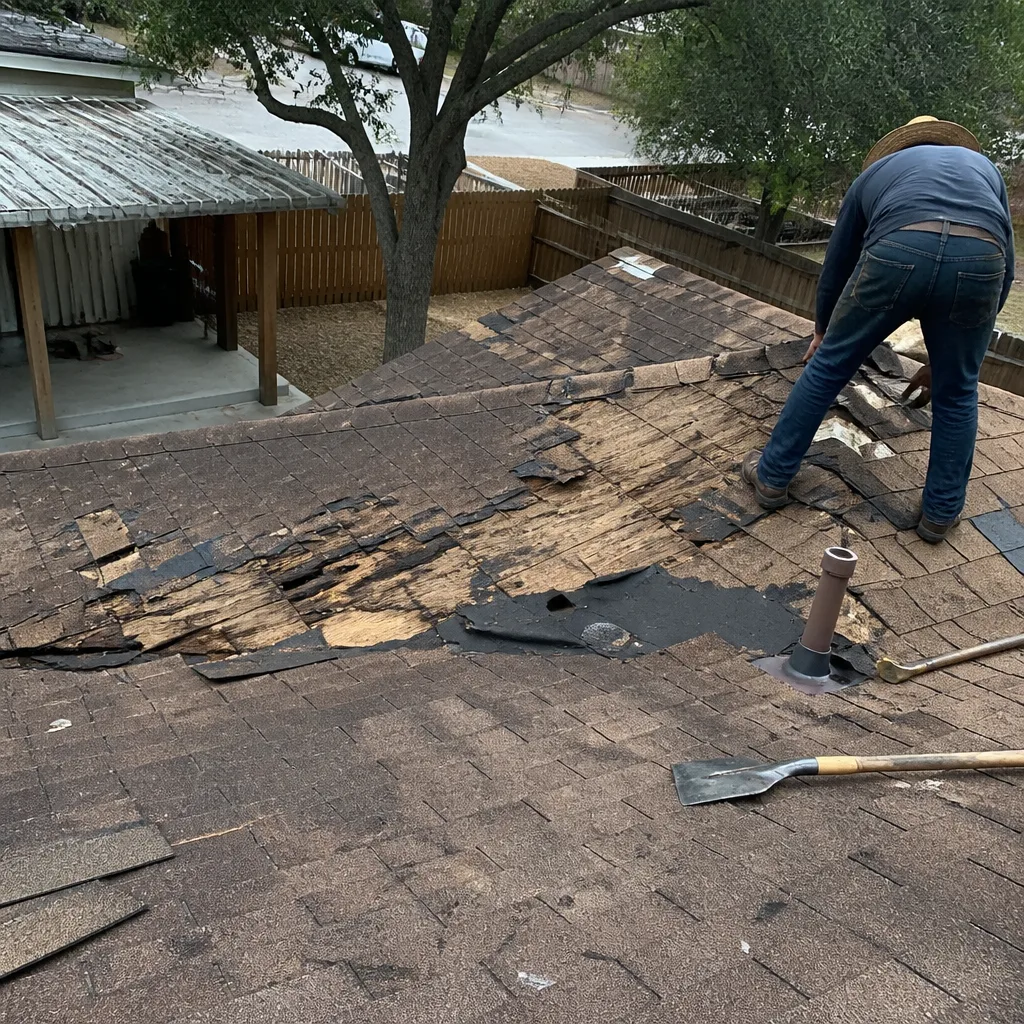 Before
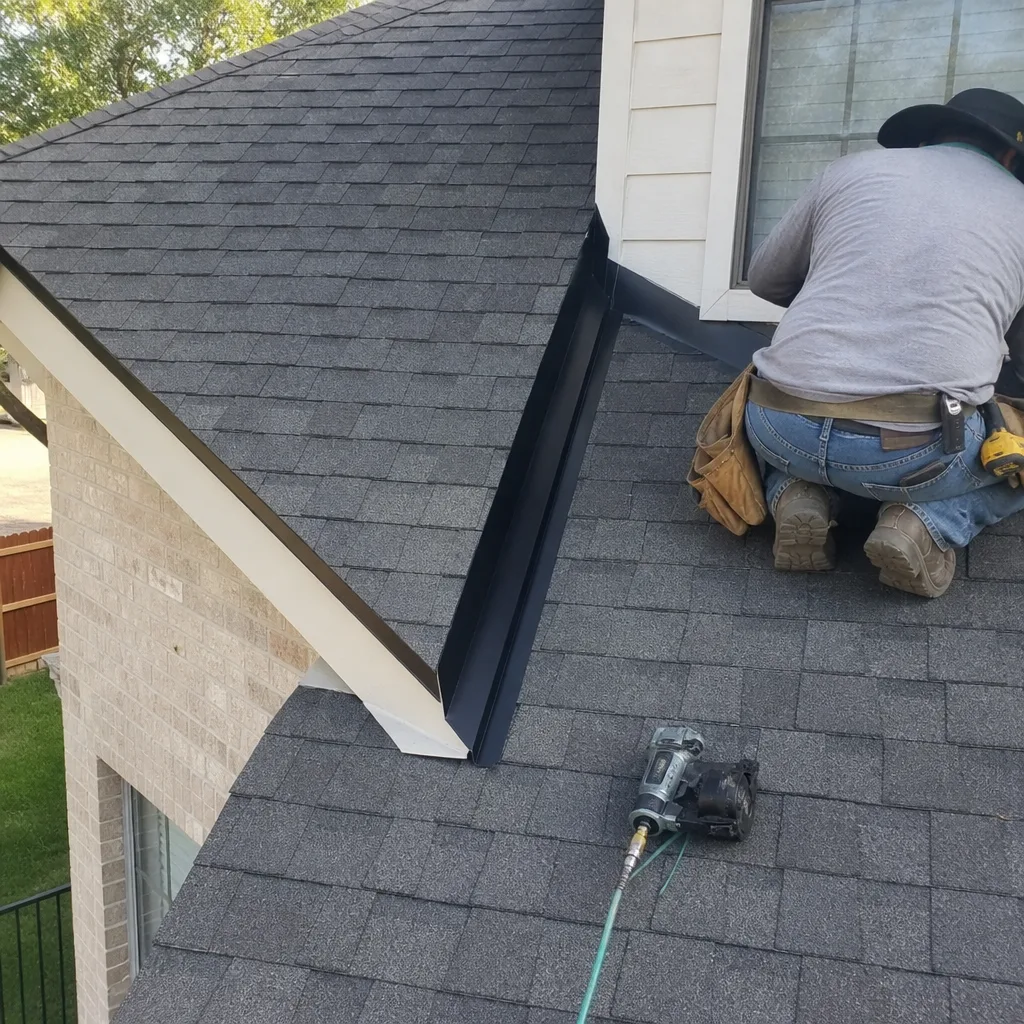 After
After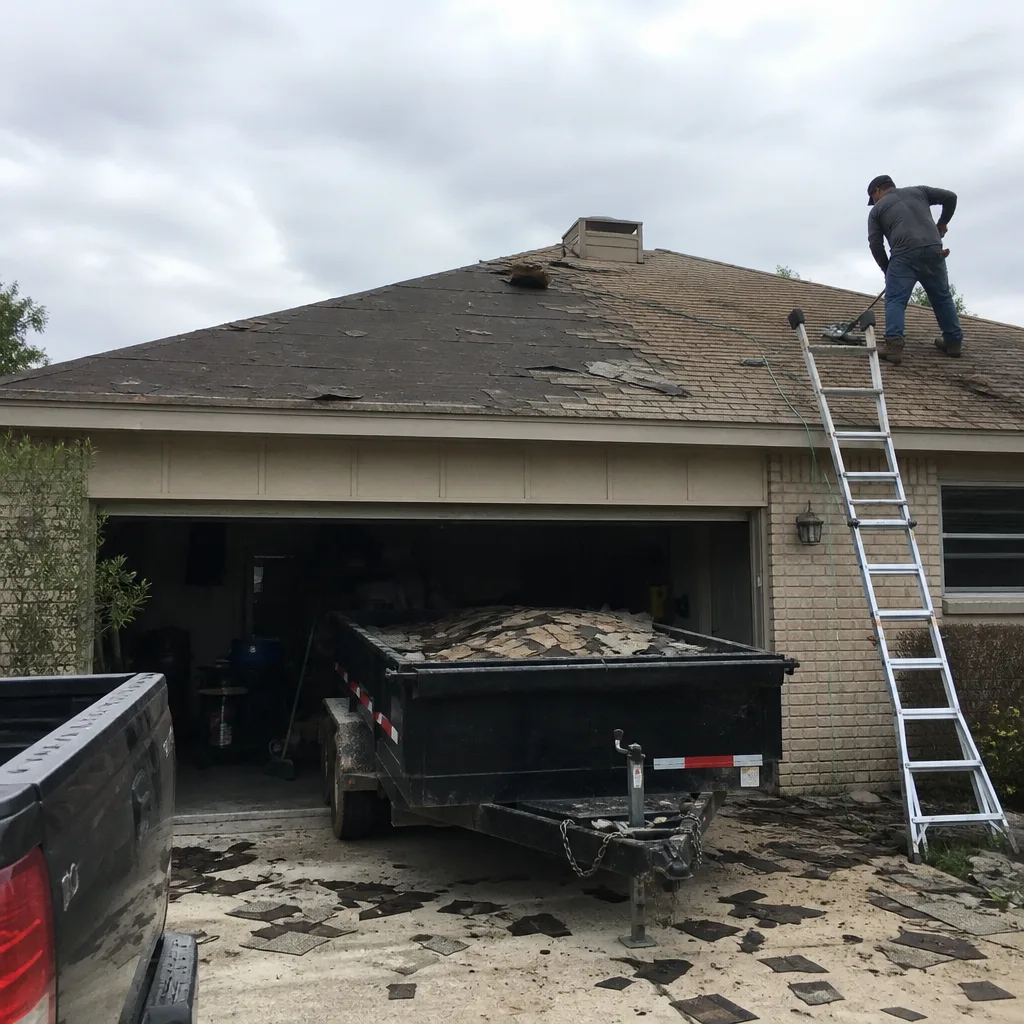 Before
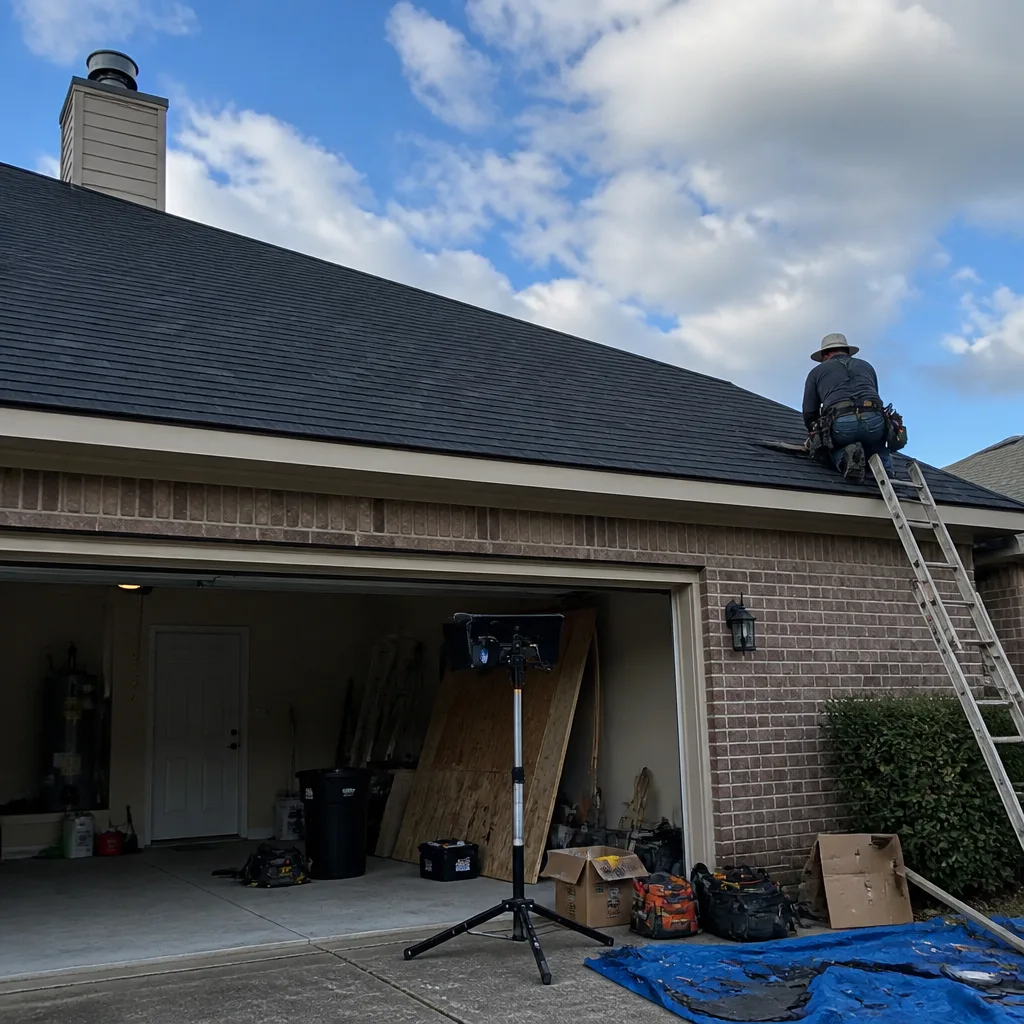 After
After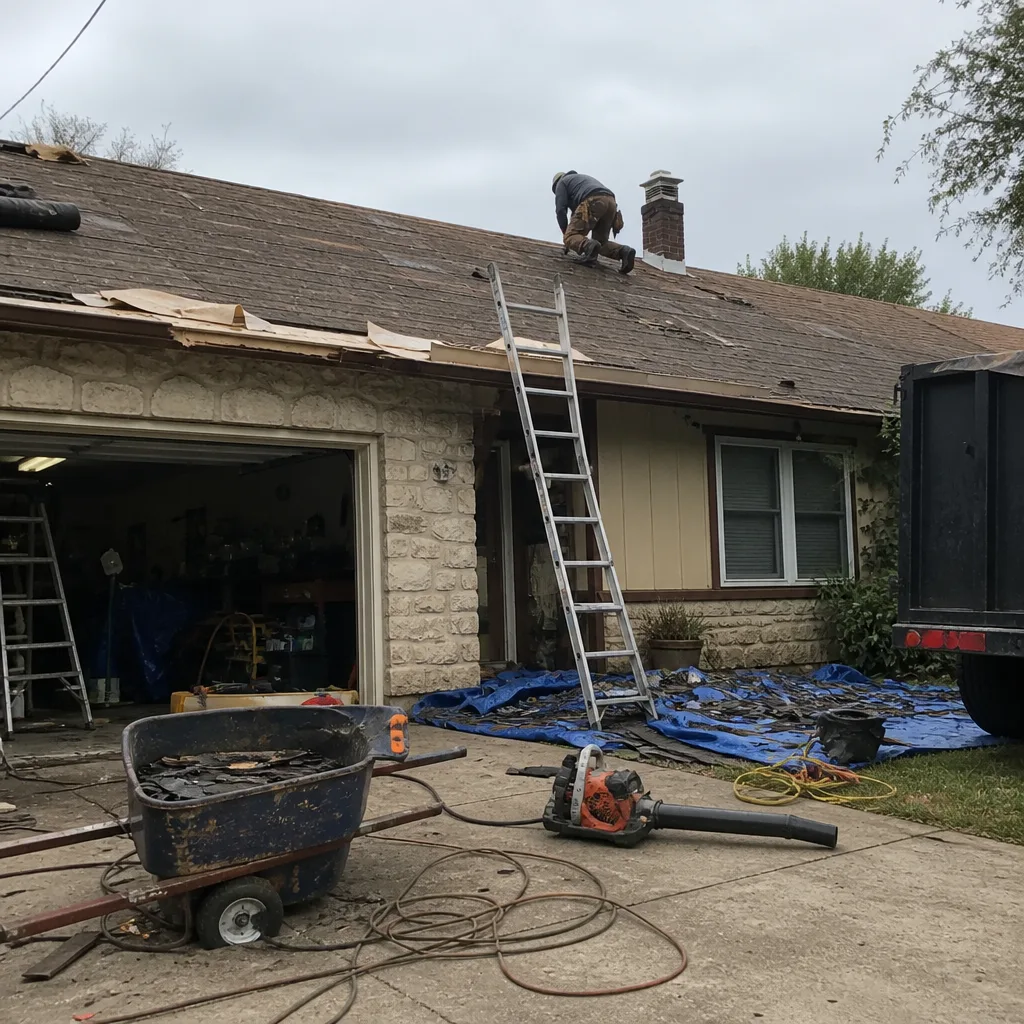 Before
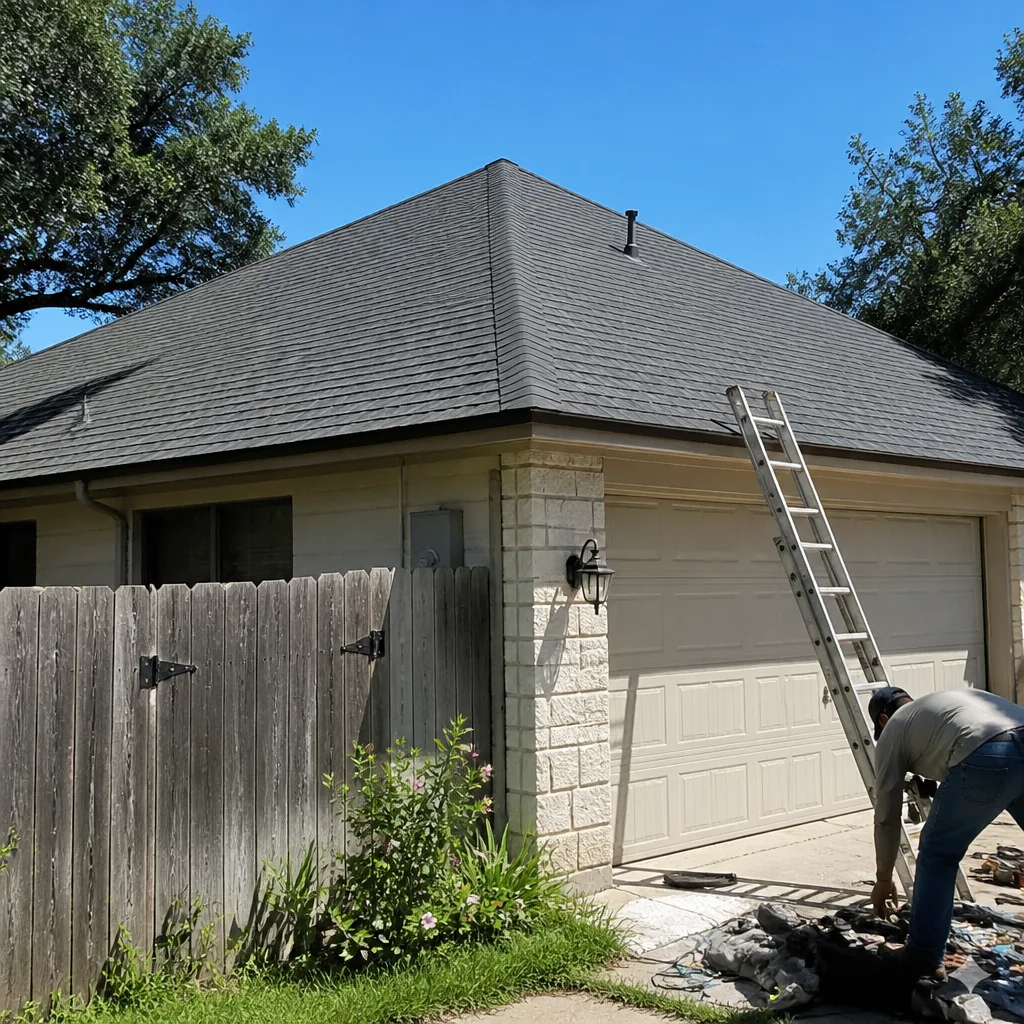 After
After